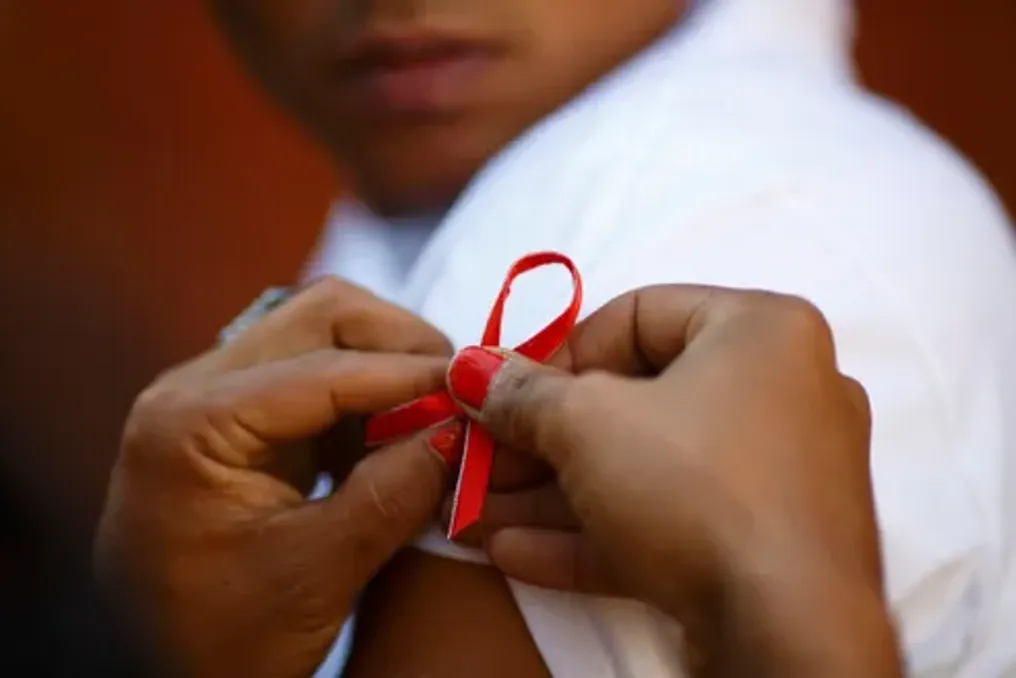
Despite significant successes in combating the HIV epidemic in South Africa, women continue to bear a disproportionately higher burden of the virus. According to the latest data, more than half of the 7.8 million people living with HIV in the country are women.
Experts warn that although national strategies are achieving success in treatment and viral load suppression, critical gaps remain. These findings were presented during a public webinar by the National Health Laboratory Service (NHLS) titled 'Women's Health: Our Challenges. Our Science. Our Future.'
Last week, the Ministry of Finance presented figures at a special parliamentary budget committee meeting. It was revealed that in the KwaZulu-Natal province, where the highest number of people are taking antiretroviral drugs, their numbers have decreased by almost 100,000. The Department of Health planned to provide treatment for 1.67 million people, but only 1.57 million actually received treatment. In Gauteng, the Department of Health planned to provide treatment to 1.49 million people, but only 1.29 million collected medication.
Dr. Lee Berry, head of the HIV and STI Centre at the National Institute for Communicable Diseases (NICD), reported that current statistics for South Africa show that 7.8 million people live with HIV, representing a prevalence of 12.3%. Of these, more than half, or 5.1 million people, are women living with HIV, with a prevalence of 15.7%.
Dr. Berry noted that over the past year, 139,521 new HIV infections were registered in the general population of South Africa, with more than half of them, namely 85,958, being women. She emphasized that women in South Africa carry a huge burden related to HIV.
Furthermore, among the 6.1 million people living with HIV and receiving antiretroviral therapy in South Africa, 4.2 million are women.
The UNAIDS 2030 95-95-95 strategy aims to eradicate the HIV epidemic by 2030 through three targets: 95% of people living with HIV know their status; 95% of diagnosed individuals receive antiretroviral treatment; and 95% of those on treatment achieve viral suppression below 1000 copies per ml.
Dr. Berry explained that in South Africa, the cascade looks like this: 96% of people living with HIV know their status, 82% of them are on treatment, and 97% have achieved viral suppression. Regarding women, she noted a similar pattern: 97% know their status, 84% are on treatment, and 97% have viral suppression.
However, she pointed to a problem in younger age groups, particularly among adolescent girls and young women. Suboptimal knowledge of their status is observed among individuals aged 15 to 25 years; only 56–66% of those aged 15 to 30 receive treatment; and suboptimal viral suppression is noted among those aged 15 to 25.
Dr. Berry concluded that the epidemic creates a heavy burden for adolescent girls and young women, who are considered to be at significantly high risk of HIV infection. She also explained that there is significant stigma, lack of awareness, education, and counseling, as well as a low uptake of preventive services to prevent HIV transmission. Special attention is given to pregnant women, who have low attendance at antenatal clinics. Additionally, pregnant and breastfeeding women show a low rate of viral load testing among women living with HIV to maintain viral suppression.
Dr. Nokukhanya Msomi, head of the Virology Department at NHLS/University of KwaZulu-Natal, stated that the burden of Human Papillomavirus (HPV) infection is increasing for women living with HIV. Data shows that women with HIV have six times the risk of cervical cancer compared to women without HIV.
Msomi indicated that gaps in early detection for women seeking care are linked to traditionally low coverage of routine screening using the so-called Pap smear. She added that this problem is particularly acute in rural areas. Furthermore, she said that opportunities to utilize existing treatment or care programs during active HPV screening of women upon HIV diagnosis were missed, leading to HIV-positive women with HPV not being timely enrolled in the support system and having poor follow-up care. This issue is actively being addressed.