Kruger National Park takes first place in new ranking of best safari destinations for autumn and winter
Read more
Getaway
getaway.co.za

Kruger National Park takes first place in new ranking of best safari destinations for autumn and winter

Kruger National Park in South Africa has become the leader in a new ranking of the best places to go on safari between September and December. As temperatures drop in the Northern Hemisphere, travelers are increasingly focusing on the wild corners of Africa, seeking nature-oriented experiences and wishing to see seasonal changes in some of the continent's most iconic natural areas.

According to the Holafly Autumn/Winter Safari Destinations Index, Kruger National Park is the best overall safari destination during this period. The ranking considered criteria such as wildlife density, seasonal conditions from September to December, accessibility, and the level of conservation measures.

In the index, Kruger surpassed Serengeti National Park in Tanzania, South Luangwa National Park in Zambia, Hwange National Park in Zimbabwe, and Maasai Mara in Kenya. Kruger secured the top spot due to a combination of wildlife, ease of access, and accommodation options.

The park is served by several regional airports and has an extensive road network managed by SANParks. This allows visitors to explore different areas without heavy reliance on expensive bush flights. A wide range of both public and private lodging options ensures that safari tours suit various budgets. The ranking also highlights the favorable value for money in South Africa, especially for those who want to enjoy quality wildlife viewing while avoiding the high costs associated with some famous East African destinations.

The period from September to December offers two distinctly different safari experiences. September and October fall at the end of the dry season. As vegetation becomes sparser, animals are easier to spot, and they often gather around remaining water sources. This period is associated with frequent predator sightings.

By November and December, the landscape begins to transition into the so-called Green Season. Vegetation recovers, the savanna becomes greener, and thousands of newborn animals arrive, creating a completely different wildlife interaction experience.

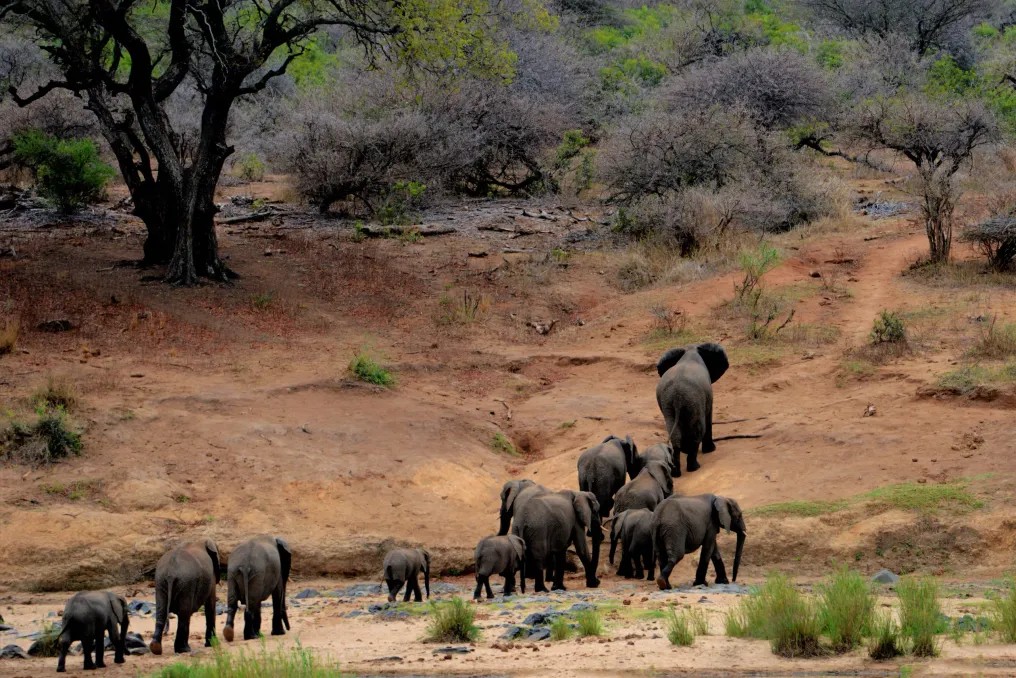
Hwange National Park in Zimbabwe ranked fourth overall, but it was noted as a particularly strong option for September and October. During the dry season, artificial waterholes maintained by ZimParks attract large herds of elephants. According to the index, these congregations can provide exceptional wildlife viewing opportunities near lodges, while the cost is lower than similar offerings in neighboring Botswana.

For travelers who prioritize wildlife abundance over budget, East Africa remains an attractive destination. Serengeti ranked second, and its position was strengthened by the seasonal migrations of the Great Migration. Between November and December, over 1.5 million wildebeest and zebras begin moving south towards the Serengeti grasslands before the calving season. However, higher conservation fees in Serengeti and dependence on light aircraft transfers reduced its accessibility score in the ranking, causing it to fall behind Kruger in the overall assessment.

According to the 2026 Autumn/Winter Safari Destinations Index, the five best destinations include:

The best safari destination may vary depending on the traveler's departure point. For Australian tourists, Kruger again ranks first, followed by Hwange, South Luangwa, Serengeti, and Maasai Mara. This ranking took into account flight logistics and layovers, noting the convenience of Johannesburg connections for visitors arriving from Australia.

European tourists also rank Kruger first, followed by South Luangwa, Hwange, Serengeti, and Maasai Mara. As for North American tourists, Kruger is once again in first place, followed by Maasai Mara, Serengeti, Hwange, and South Luangwa.

Similar stories

A Review of South Africa's Historical Sites Worth Visiting During a Trip
Read more
getaway.co.za

A Review of South Africa's Historical Sites Worth Visiting During a Trip

South Africa's historical attractions tell stories that go far beyond well-known monuments, battlefields, and museums. Some are ancient landscapes, others preserve the history of communities, and some reveal how deep the country's history is.

These places may not always be on the initial tourist itinerary, but they reward those willing to look more closely. These heritage sites offer a different view of South Africa—from ancient kingdoms and geological wonders to living cultural landscapes.

At first glance, Mpungubwe might seem like just another picturesque corner of Limpopo. Baobabs, sandstone formations, wildlife, and vast views of the Limpopo River meet here. However, a closer look reveals a much grander history.

The cultural landscape of Mpungubwe was once home to one of the most influential indigenous kingdoms in Southern Africa. From approximately 900 to 1300 AD, Mpungubwe developed into the largest kingdom on the subcontinent, whose wealth partly depended on long-distance trade reaching the Indian Ocean, India, and China.

Remains of settlements, including the royal center on Mpungubwe Mountain, testify to the existence of a complex society with a clear social hierarchy. Archaeological finds such as gold, ivory, glass beads, and imported pottery demonstrate the close ties of this region of Southern Africa to wider trade networks. In 2003, UNESCO inscribed this cultural landscape on the World Heritage List.

Mpungubwe's particular appeal lies in the combination of history and landscape. The ruins are not isolated behind museum glass; they are situated within an expansive landscape still traversed by wildlife. Visitors are advised to spend time exploring the archaeological sites and Mpungubwe Mountain, visiting the information center, and allocating time for the surrounding national park to enjoy watching animals, birds, and dramatic sunsets. This place is worth visiting to understand that South Africa's history did not begin with colonization; complex societies traded, built, and shaped the region long before the arrival of Europeans.

Cederberg is a place that makes you ponder what a heritage site should look like. There are no majestic buildings or imposing monuments here. Instead, there are rugged mountains, vast desert plains, resilient succulents, and traditional settlements of the Nama people scattered across an extraordinary landscape.

The cultural and botanical landscape of Cederberg is a 160,000-hectare World Heritage Site located in the northwestern corner of South Africa. It is jointly owned and managed and preserves the semi-nomadic pastoral lifestyle practiced by the Nama for the last two thousand years.

This landscape is particularly important because the Nama continue to seasonally migrate between pastures and livestock points. Traditional portable reed dwellings, known as 'haru oms', remain part of this way of life. UNESCO describes Cederberg as one of the few places in South Africa where this form of transhumant pastoralism continues to exist.

For travelers, the appeal of this place lies in the journey itself, not just the destination. One can explore the mountain desert, get acquainted with the unusual Karoo vegetation, and, if possible, utilize the services of local guides who can help interpret the landscape and its cultural significance. The Cultural and Botanical Landscape of Cederberg encourages slowing down, as the landscape itself is part of the history.

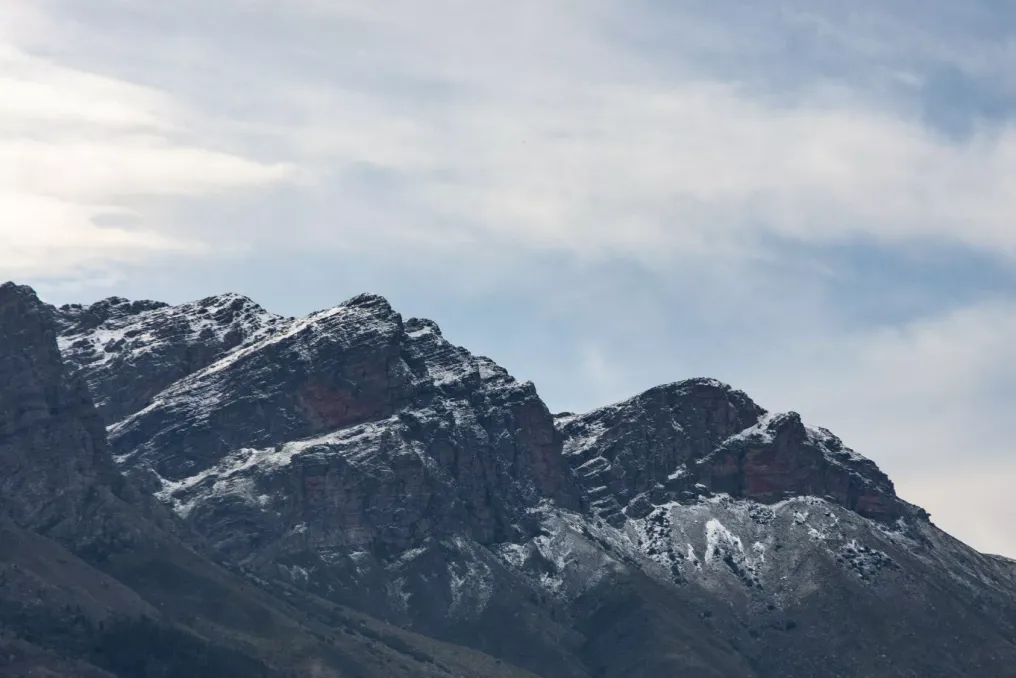
One might expect a heritage site to tell stories about people, but the Barberton Makhonjwa Mountains tell something much older—very old. These mountains contain some of the best-preserved volcanic and sedimentary rocks on Earth, dating back 3.6 to 3.25 billion years. This area is part of the Barberton Greenstone Belt and holds evidence of early Earth conditions, including ancient oceans, volcanic activity, meteorite impacts, and continental formation. In 2018, UNESCO declared the Barberton Makhonjwa Mountains a World Heritage Site.

It is difficult to grasp such age. Standing among these rocks, one looks at a landscape that existed billions of years before humans appeared. This area is also quite accessible. Scenic routes around Barberton offer opportunities to see geological features and viewpoints, and the town itself serves as a convenient base for exploring the surrounding mountains. This heritage is for travelers who love road trips with a touch of perspective; they leave thinking not so much about events from a few hundred years ago, but about the incredibly ancient age of the earth beneath their feet.

Not all heritage sites need to be solemn. In the tiny village of Karoo, New Beetseda, the Oulu House is one of the most unusual examples of outsider art in the country. Helen Martins spent the last years of her life transforming her house and garden into a strange, colorful world of sculptures made from cement, glass, and other materials. The result is the famous Camel Court and an interior filled with reflective surfaces, colored glass, and unusual figures.

Oulu House has become closely associated with South African outsider art and inspired Athol Fugard's play 'The Road to Mecca,' which introduced Martins' story to a wider audience. It is hard to predict what to expect before entering the house, and that is part of its appeal. Visitors can tour the museum and the Camel Court, and then take time to explore New Beetseda itself. The village has galleries, museums, hiking opportunities, Karoo food, and a famously slow pace of life. The Oulu House website recommends staying overnight rather than treating the village as a quick stop. Perhaps the best part is that one does not need to be an expert to appreciate this art; curiosity is enough.

In the Kalahari, heritage is woven into the landscape itself. The ǂKhomani Cultural Landscape is situated around the Kalahari Gemsbok National Park and is part of the broader Kgalahadi landscape. It contains evidence of human presence stretching from the Stone Age to the present day and is closely linked to the history, knowledge, and cultural practices of the ǂKhomani San people.

The significance of this landscape goes beyond archaeology. It reflects the relationship between the ǂKhomani San and the Kalahari, including knowledge of plants, animals, water, and survival in an extremely arid environment. These relationships were severely disrupted after the forced removal of the ǂKhomani San from the land following the creation of the national park in 1930. Therefore, the World Heritage recognition is also linked to efforts to restore cultural connections between people and place.

Travelers visiting Kgalahadi can visit the ǂKhomani San Cultural Landscape Centre in Twee Rivieren and, if possible, join tours led by ǂKhomani San guides. These activities provide an opportunity to learn about local customs, knowledge, and stories instead of just observing the landscape from a car. It is a reminder that heritage does not always belong to the past; sometimes it is what communities actively keep alive.

South Africa has eight UNESCO World Heritage Sites, including Mpungubwe, Cederberg, Cradle of Humankind, Robben Island, and iSimangaliso Wetland Park. Nevertheless, even within this list, some places attract significantly less tourist attention than their significance warrants. Perhaps that is the point. The most valuable heritage experience is not always found in the places you have seen a hundred times on postcards. It is the places that make you stop, ask questions, and reconsider the history you thought you knew. So, next time you plan a trip to South Africa, allow room for deviation from the route. Follow the road to Karoo, north to Limpopo, into the Mpumalanga mountains, or through the dry landscapes of the Northern Cape. Because sometimes heritage is not a point on a list; sometimes it requires a second look.

Late winter in South Africa offers unique travel opportunities across various regions
Read more
getaway.co.za

Late winter in South Africa offers unique travel opportunities across various regions

Although winter may be drawing to a close, South Africa retains its winter charms, offering optimal travel conditions in certain areas. Field flowers begin to bloom in the Northern and Western Cape, southern whales gather along the coast, and the dry bushveld facilitates wildlife viewing. Furthermore, cool mornings and even snow can still be found in the mountains.

By August, the Namakwa region begins its annual transformation. What appears as a dry, dusty landscape for most of the year suddenly becomes covered in a carpet of flowers after winter rains.

Namakwa National Park is part of the Succulent Karoo biome and is known for its exceptional plant diversity, including over a thousand species found nowhere else in the world. SANParks reported the first blooms of the 2026 season in late July, with the peak expected between mid-August and mid-September, depending on the weather.

The best way to enjoy this spectacle is to take it slow: one can take a circular flower tour, stop at viewpoints, or walk the trails of Skilpad and Korhan. Photographers are particularly successful on sunny days, as many flowers fully open up at temperatures around 18°C. The park is dedicated not only to natural beauty but also to preserving an important part of the Succulent Karoo, allowing visitors to see the dramatically changing landscape according to the season.

Why visit now

The blooming period is fleeting, and the 2026 display has already begun. To have the best chance of seeing the Namakwa region in its brightest form, it should be visited in the coming weeks.

The West Coast is another place where winter quietly gives way to spring. From August to September, the sandy plains and fynbos of the park blossom, with especially impressive views observed around Postberg and Sikberg/Muimaak. For 2026, the Postberg section opened on August 1st and remains open until September 30th, providing a limited window to explore this zone, accessible only during the flowering season.

Do not rush: spend a day driving through Postberg, taking photographs, and watching animals move among the flowers. The park also features beaches, lagoon views, birdwatching spots, and hiking trails, making it easy to turn a flower trip into a complete West Coast holiday. The park was established in 1985 and has since become an important conservation area around Langebaan Lagoon. Its seasonal bloom has become one of the region's main attractions, but the landscape is worth visiting outside the flowering period.

Why visit now

The flowers are at their peak season, and Postberg is only open to the public during this short period each year.

Few places are better than a cliff overlooking Walker Bay to watch winter give way to spring. Southern whales arrive along the South African coast roughly from June to July, with August and September falling within the peak season in Hermanus. Whales come to the protected waters of Walker Bay to mate and give birth, making this one of the best times for marine life observation in the country.

No boat is required to observe them. The 12 km cliff trail in Hermanus offers several viewpoints along the coast, and the points of Garing, Old Harbour, and several other observation posts are good spots for viewing the bay. Boat trips, kayaking, and scenic flights offer a different perspective for those who want to get closer to the action. Hermanus was originally a small settlement around a freshwater spring and was initially called Hermanuspietersfontein before the name was shortened to Hermanus in 1902. Its transformation into a popular coastal destination is closely linked to the natural beauty of Walker Bay.

Why visit now

August and September allow you to be in the middle of whale season, when the chances of seeing mothers and calves make coastal weekends unforgettable.

If your idea of winter involves safari rather than fields in bloom, head north. April to September is the dry season in Kruger, which brings warm days, cold nights, and sparse vegetation. Due to less water in the bush, animals concentrate around rivers and waterholes, making them easier to spot. SANParks describes winter as traditionally the best time for wildlife viewing.

This is a time for early morning drives, long daytime walks to waterholes, and evenings spent warmly by the fire. Among the wildlife that can be encountered are the Big Five, and the extensive local avifauna makes the trip enjoyable for bird lovers. Kruger has been at the center of South Africa's conservation history for over a century. The Sabie Reserve, founded in 1898, became one of the foundations of today's park. In 1926, it was merged with the Singwedzi Reserve to form Kruger National Park.

Why visit now

The bush is dry, visibility is better, and animals are more likely to congregate around reliable water sources. This is one of the best times of the year to focus on wildlife.

For those who are not yet ready to give up winter, Golden Gate Highlands National Park offers a last chance to enjoy it. The park is located at the foot of the Maloti Mountains, where winter temperatures can drop to -9°C and -15°C. Snow is common, although there is no guarantee that specific weekends will be snowy.

Even without snow, the landscape itself is a reason to visit. The golden sandstone cliffs shine in the changing light, and the hiking trails, viewpoints, and dramatic mountain scenery make the park ideal for a slow winter getaway. The name Golden Gate comes from the golden glow that falls on the sandstone cliffs in the late afternoon. The area was declared a national park in 1963 and has since become an important protected area for the grasslands of the Free State. One can spend a day hiking, exploring the park's viewpoints, or simply driving through the mountains. For a deeper dive into the region's heritage, the park also contains San rock art and sites related to its more recent history.

Why visit now

Temperatures are still quite wintry, the mountain landscape reaches its most dramatic beauty, and there is always a chance to wake up under snow. There is no single way to experience the end of winter in South Africa. It could mean standing among field flowers in the Namakwa, watching a whale breach from Hermanus, tracking elephant footprints in the dry Lowveld, or waking up under frost at the Golden Gate sandstone cliffs. That is the charm of traveling at this time of year. Winter may be ending, but across the country, some of the best experiences are just beginning.

Eight African locations where the ocean shapes culture, cities, and life, beyond safaris
Read more
getaway.co.za

Eight African locations where the ocean shapes culture, cities, and life, beyond safaris

Africa is often associated with safaris—images of elephants on dusty plains, lions under acacias, and morning game drives. However, along the continent's vast coastline unfolds a completely different Africa. Here, the ocean has shaped cities, cuisine, architecture, livelihoods, and cultures for centuries.

Ancient trade routes crossed the Indian Ocean, while fishing communities built their lives around the Atlantic. Today, marine ecosystems support some of the continent's most vital conservation areas.

From the historic port cities of Senegal to the Swahili coast of Kenya, the coral reefs of Mozambique, and the desert-sea confluence in Namibia—these destinations offer a different view of Africa, where the ocean is not just a backdrop, but a defining factor of the place's existence.

Saint-Louis Historic Port

At the mouth of the Senegal River, the city of Saint-Louis appears as a settlement situated between land and water. This historic island was founded as a French colony in the 17th century and later became the capital of Senegal. Its location between two river arms and its proximity to the Atlantic Ocean determined its significance as a trading port. UNESCO describes it as the 'Oceanic Port of West Africa,' where its jetties, waterfront, and characteristic colonial architecture form an important part of its identity.

Today, Saint-Louis offers a more relaxed and atmospheric way to experience Senegal compared to the country's more famous safari and wildlife destinations. Visitors can stroll through the colorful streets of the old island, admire the colonial buildings, and then head to the waterfront and fishing districts. A boat trip down the Senegal River or an exploration of the nearby Langue de Barbarie, a narrow coastal strip where river, lagoon, and ocean environments meet, is also possible. One should not leave without trying Senegalese seafood; the city's connection to the water is visible in its markets, boats, and daily life.

Saint-Louis is ideal for travelers who wish to combine history and culture with coastal relaxation. It is a place best explored on foot, by boat, and at the table, rather than from the back seat of a safari vehicle.

Lamu: Gateway to the Indian Ocean

On the northern coast of Kenya, Lamu serves as a reminder that the Indian Ocean long served as a highway connecting Africa with Arabia, Persia, and India. Old Town Lamu is the oldest and best-preserved Swahili settlement in East Africa, inhabited continuously for over 700 years. Its coral stone buildings, mangrove trees, narrow streets, and carved wooden doors reflect centuries of interaction between various cultures along the Indian Ocean.

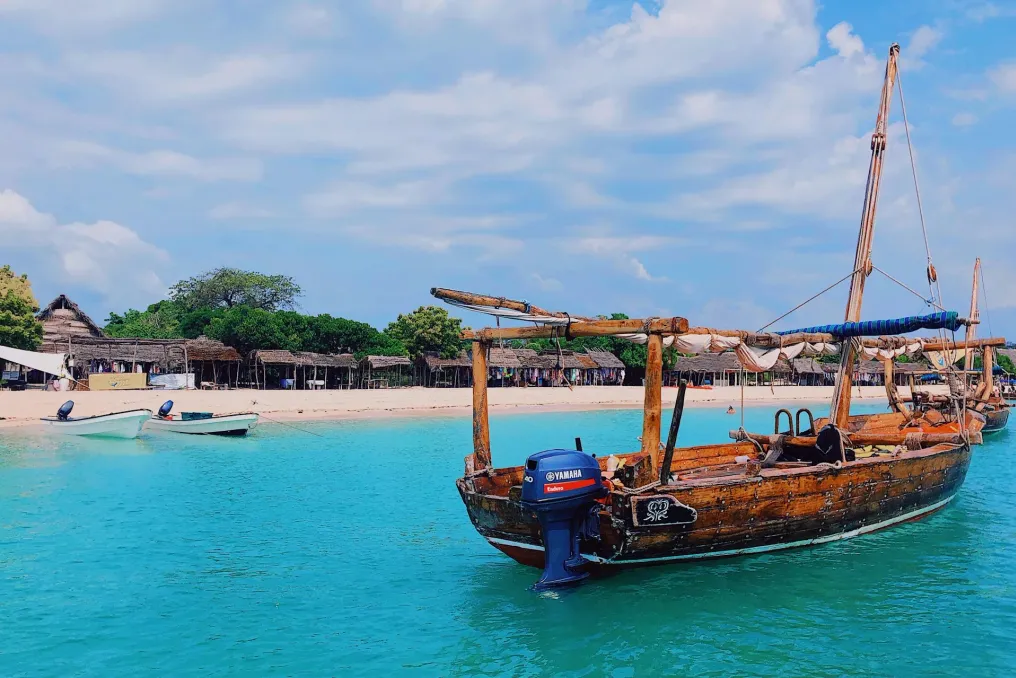
The sea remains a central element of the experience. Traditional dhow boats are still part of the coastal landscape, and fishing and maritime traditions are deeply woven into local life. Visitors can spend time wandering through Old Town Lamu, visiting markets and historical buildings, or taking a dhow ride at sunset. A boat tour can also take visitors to surrounding islands and quieter beaches. For a deeper cultural immersion, it is recommended to study Swahili architecture and local traditions rather than viewing Lamu merely as a beach destination. Lamu offers one of Africa's most atmospheric coastal experiences: ancient architecture, sunsets over the Indian Ocean, seafood, and the unique rhythm of Swahili island life.

Mozambique Island: History in Coral Stone

Mozambique Island is a vivid example of how the sea can shape an entire settlement. Located in the Indian Ocean off the northern coast of Mozambique, this island played a vital role in maritime trade networks dating back to at least the 10th century. Its importance grew with the development of Portuguese sea routes between Europe and India. UNESCO notes the striking blend of Swahili, Arab, European, and traditional African influences in its architecture.

The result is a corner where coral stone buildings, palm-roofed houses, and historic streets tell the story of centuries of movement across the ocean. Tourists can explore the Old Town on foot, visit historical buildings and churches, and spend time in the more traditional Makuti quarters. Sea excursions and snorkeling offer a different perspective on the island, while nearby beaches allow for slowing down. It is worth trying fresh local seafood and, if possible, organizing tours with local guides who can recount the island's maritime history. Mozambique Island is intended for those seeking more than just a tropical beach; its true appeal lies in how history, architecture, and daily life have grown from the Indian Ocean.

Zanzibar: Maritime History at the Crossroads of Cultures

Although Zanzibar's beaches may be well-known, its most captivating story begins in the water. For centuries, the island was a crossroads of Indian Ocean trade. The town of Stone Town developed as a Swahili trading settlement, and its architecture reflects African, Arab, Indian, and European influence. UNESCO describes this town as an outstanding example of a Swahili coastal trading hub, whose streets, buildings, and waterfront were shaped by centuries of maritime exchange. This makes Zanzibar a destination where one can feel the ocean without spending the entire vacation on a sun lounger.

One can get lost in the narrow alleys of Stone Town, admire the famous carved doors, and visit historical landmarks, including the Old Fort and former trading buildings. At sunset, a dhow cruise along the waterfront is recommended. Beyond Stone Town, visitors can explore Zanzibar's fishing villages, spice plantations, and beaches. Seafood, coconut, cloves, and other spices contribute to the island's unique culinary culture. Zanzibar is a place where one can experience Afro-Arab, Indian, and European maritime history in a relatively small area, and where the ocean continues to shape food, culture, and the pace of life.

Ghana: A Complex Oceanic Narrative

Ghana's coastline tells a more complex maritime story. In the Central Region, fishing remains an important part of coastal life, and towns like Elmina combine harbors with some of West Africa's most significant historical sites. Elmina Castle, built by the Portuguese in 1482, stands next to the fishing harbor and serves as a powerful reminder of the Atlantic trade that transformed the region. Thus, the ocean here is both a source of livelihood and a witness to a complex history.

Visitors can tour Elmina Castle and walk through the harbor to see fishing boats returning with their catch. Exploring Cape Coast and its historical sites, trying local seafood, and experiencing cultural traditions related to fishing and the sea if the trip coincides with a regional festival are also worthwhile. For instance, the Bakatu Festival in Elmina marks the start of the fishing season and includes ceremonies related to the lagoon and lifting fishing restrictions. Ghana's coast offers an opportunity to understand how the Atlantic has influenced food, livelihoods, festivals, trade, and history—all within the landscape of colorful fishing boats and bustling waterfronts.

Luderitz: The Ethereal Atlantic Coast

Luderitz is a place where Africa's Atlantic coast takes on an almost otherworldly appearance. Here, the Namib Desert meets the cold Atlantic Ocean, creating a landscape of wind-swept beaches, rocky coves, and harsh desert terrain. The city's German colonial architecture adds another layer, and its location on the southern coast of Namibia makes it a gateway to the country's marine fauna and dramatic coastal wildlife. This is not the Africa of warm tropical islands. The Benguela Current brings nutrient-rich cold waters, which fosters a productive marine environment.

Tourists can explore the historic center of Luderitz and take a trip to Diaz Point to admire the dramatic views of the Atlantic. They can also visit the abandoned Kollmanskop diamond mine to experience the strange contrast between the desert and ocean landscapes. Boat trips allow observation of marine fauna, while the nearby coast offers opportunities for fishing and studying Namibia's unusual marine environment. Luderitz proves that the African coastal experience does not necessarily have to mean palms and turquoise water; its allure lies in the dramatic collision of desert, ocean, and history.

In Southern Mozambique, the relationship between people and the ocean is increasingly becoming a story of nature conservation. The Ponta do Ouro partial marine reserve protects 678 square kilometers of marine and coastal habitat, including coral reefs, seagrass beds, estuaries, and mangroves. Its waters are home to dolphins, whales, humpback whales, sharks, coral fish, and sea turtles. Further north, the marine zone of Maputo National Park stretches along an 80-kilometer coastline, protecting important turtle nesting sites, coral communities, seagrass beds, and marine species, including humpback whales, dolphins, humpback whales, and dugongs. Ponta do Ouro serves as a natural base for diving, snorkeling, surfing, boat trips, and marine wildlife watching. Depending on the season, visitors may encounter dolphins, whales, and nesting sea turtles. For a more adventurous getaway, one can explore the wider Maputo National Park, where marine and terrestrial ecosystems meet. Southern Mozambique demonstrates how the ocean can be both a tourist attraction and a priority for nature conservation, offering travelers the chance to substitute a traditional safari tour with a diving, reef, or marine safari.

Cape Verde brings a completely different character to this narrative. This volcanic Atlantic archipelago has shaped a culture based on fishing, seafaring, migration, and island life surrounded by open water. On São Vicente, the port city of Mindelo, colonial streets, music, and a strong maritime identity converge, while nearby fishing villages offer a more intimate glimpse into daily island life. The ocean also provides numerous ways to explore beyond the beach. Visitors can visit Mindelo and its waterfront, then travel to fishing villages such as Calhau and Salamansa. In Salamansa, one can observe local fishermen at work, and the adjacent coast is suitable for water sports and coastal exploration. On Santo Antão, along coastal routes between villages like Ponta do Sol and Cruzinha, fishing boats, rocky cliffs, and dramatic ocean views create one of the archipelago's most memorable landscapes. Snorkeling, diving, and traditional fishing are also possible around the islands. Cape Verde is an ideal choice for those who want to see Africa with an island flavor, combining Atlantic landscapes, fishing culture, hiking, music, cuisine, and a strong sense of place.

From Saint-Louis to Lamu, these destinations showcase an Africa that has always looked toward the sea. The ocean transported traders and travelers along the continent's shores. It shaped architecture and cuisine, created fishing communities, and connected cultures over thousands of kilometers. Today, it remains a source of livelihood, adventure, and nature conservation. Thus, while safaris may be one of Africa's defining tourist experiences, it is far from the only one. Sometimes, to understand a place, you must follow the coast.

Popular