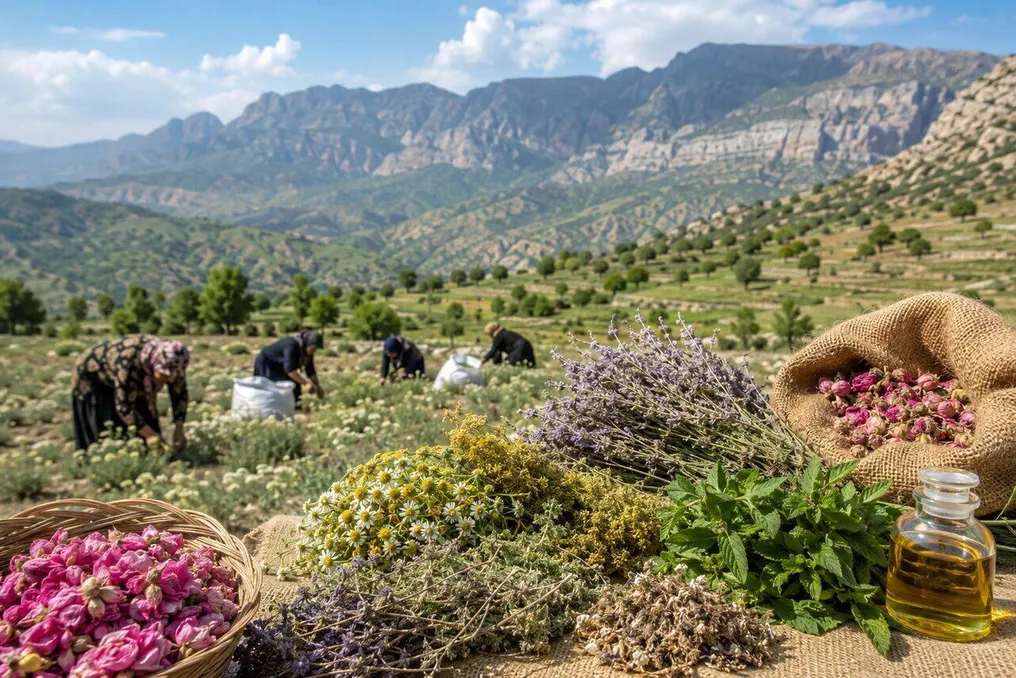
A memorandum of understanding was signed between the Vice Presidency for Science, Technology, and Knowledge-Based Economy and the Inter-Islamic Network on Nanotechnology (INN). The purpose of this document is to expand scientific and technological cooperation, strengthen ties between research centers and knowledge-based companies, and enhance the international recognition of Iran's traditional medicine capabilities and its natural and herbal products.
According to an IRNA report, this agreement aims to deepen scientific and technological cooperation, develop network interaction between scientific institutions and knowledge-based companies, and strengthen the global presence of the country's traditional, herbal, and natural products.
For technological development and the transformation of scientific achievements into effective economic and technical opportunities to become possible, it is necessary to create cross-border networks of cooperation and links between universities, scientific centers, specialists, knowledge-based companies, and scientific and technical institutes. This is necessary to ensure knowledge exchange, implementation of joint projects, and entry into international markets.
One of the key points of the Memorandum is the formation of a network of influential international partners, identifying and utilizing the potential of knowledge-based companies and experts, such as the Committee for Scientific and Technical Cooperation (COMSTECH). It is also planned to facilitate interaction between scientific and research centers and create a platform for conducting joint research initiatives.
Under the terms of the Memorandum, INN will support strengthening ties between domestic and international scientific and technical networks. This may contribute to the recognition of scientific partners in Islamic countries and improve cooperation between research centers and knowledge-based companies.
The adopted approach is designed to strengthen scientific and technical diplomacy, accelerate the development of joint research, knowledge and experience exchange, and technology transfer. Furthermore, it will help improve product standards, stimulate technological partnership, and ultimately expand regional and global markets for Iranian knowledge-based products in the field of medicinal plants and Persian medicine.
According to a World Health Organization (WHO) report, Iran ranks third in the International Clinical Trials Registry Platform (ICTRP) for traditional medicine, highlighting the country's status as one of the world's pioneers in traditional and complementary medicine. Meanwhile, according to the Ministry of Health website, China and India rank first and second, respectively.
The share of clinical trials in traditional and complementary medicine in Iran accounts for about three percent of all clinical trials registered in the country. However, only approximately 0.3 percent of medical personnel are experts in this field. Nevertheless, the report demonstrates the high potential of Iranian researchers in the direction of transitioning to evidence-based medicine.
Persian traditional medicine places a strong emphasis on disease prevention and health maintenance, not just treatment. This system is one of the oldest forms of traditional medicine and is based on the concept of four humors: phlegm (Balgham), blood (Dam), yellow bile (Safra’), and black bile (Sauda’). The concept of four humors is based on the teachings of Razi and Avicenna within a complex medical system.
To date, about 30,000 plant species have been identified worldwide, of which Iran accounts for approximately 8,000 species, exceeding the total number of species found in Europe. Across the country, about 500 experts provide medical services in Persian medicine. More than 1,000 general practitioners who have undergone Persian medicine courses approved by the Ministry of Health also provide their services.
Training specialists in Persian medicine has always been a priority for the Office of Persian Medicine. Therefore, various advanced training courses have been developed and conducted under the supervision of the Ministry of Health.