Meat can account for a significant portion of weekly grocery expenses, especially when cooking for a family. However, solving this problem does not necessarily mean completely excluding meat from the diet; sometimes it is enough to make the purchased meat work more efficiently.
Learning how to make the meat last for more servings means, for example, turning one package of mince into a large pot of bolognese, adding beans to beef stew, or using leftover chicken in several meals. The key to success is choosing appropriate additions for the specific dish.
Simply adding a large quantity of ingredients to the pot can increase the food volume, but this does not guarantee that the dish will taste better. Below are practical methods to stretch a meat portion without sacrificing the flavor of dinner.
Increasing Mince Volume with Vegetables
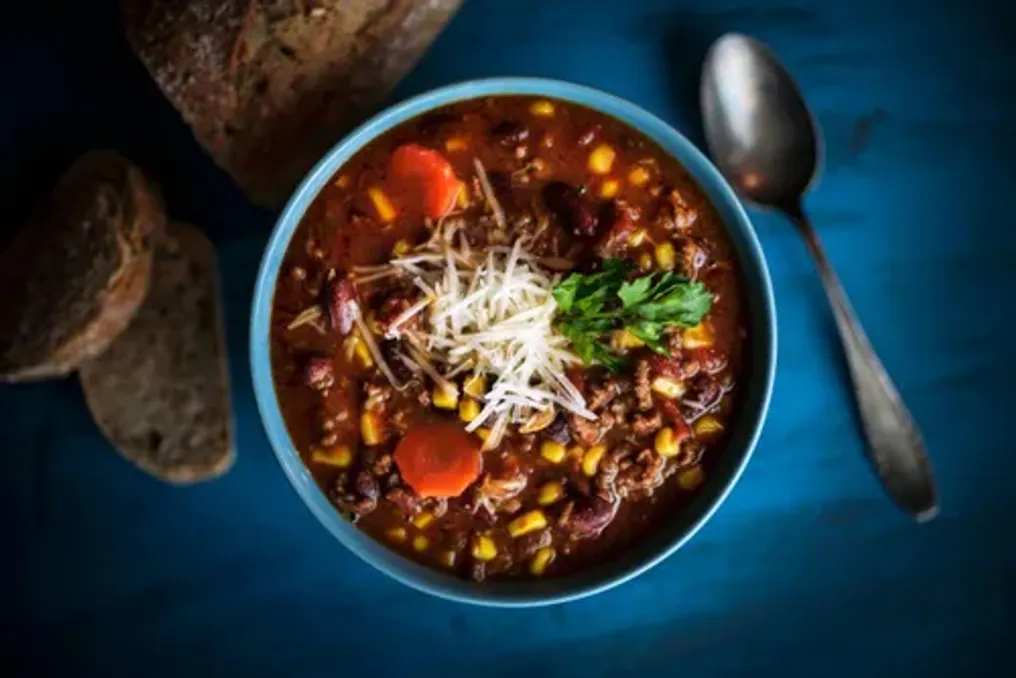
Mince is one of the easiest types of meat to increase volume with, as it pairs well with other products. Grated carrots, finely chopped onions, cabbage, mushrooms, sweet potatoes, or zucchini can be cooked with the mince without overpowering its flavor. These vegetables add extra volume to dishes such as bolognese, shepherd's pie, chili, and hearty mince, helping to create a thicker sauce.
An important point is the proper preparation of the vegetables, not just adding a large amount at the end. Finely chopped vegetables will soften in the sauce, and mushrooms can impart a deeper, richer flavor. If you use a very strong vegetable, start with a small amount. The goal is to make the mince more economical, not to turn the dish into a vegetable stew.
Using Beans and Lentils
Legumes and lentils are particularly useful in making stews, curries, chili, and mince dishes. Red lentils are suitable because they break down in the sauce. Brown or green lentils retain their texture, and canned beans can simply be drained and added closer to the end of cooking. Kidney beans fit well in chili, chickpeas can increase the volume of curry, and oil-packed beans can make chicken or vegetable stew more substantial.
Strategic Use of Potatoes and Other Vegetables
Potatoes are especially useful when making stews or curries because they absorb liquid, allowing for less meat to be used. However, they should not be the only addition. They should be combined with onions, carrots, sweet potatoes, cabbage, or other suitable vegetables. For example, chicken curry can contain potatoes, carrots, and chickpeas, while beef stew can be enriched with potatoes, carrots, and mushrooms. This changes the balance of the dish without making the meat inconspicuous.
Adding Rice, Pasta, or Pap
Sometimes the simplest way to increase the serving size of a meat dish is not to add more ingredients to the pot, but to serve it with something that makes the meal more substantial. A small amount of chicken curry will satisfy more people if served with rice. Mince sauce can be served with pasta, and thick stew pairs well with pap. This same principle applies to leftovers: a small amount of cooked chicken can become part of a pasta casserole, a rice dish, a pie filling, or a rich soup, instead of being served as another small portion of meat.
Make meat part of the flavor, not the center of the dish. One of the most beneficial changes is to stop thinking that meat must dominate the plate. A little bacon can add flavor to a bean or lentil dish. Leftover fried chicken can be mixed with vegetable pasta. A small amount of mince can serve as the base for a tomato sauce served with pasta. The idea is not to hide the fact that there is less meat, but to create a dish where the meat serves a function beyond simply filling the plate.
Choosing the Right Meat for the Dish
The process of saving meat begins even before cooking. Chicken thighs and drumsticks are well-suited for curries, stews, and braised dishes because they can be cooked with a lot of sauce and vegetables. Braised beef is suitable for slow-cooked dishes where vegetables and starches become part of the main course. Mince is versatile because it can be combined with vegetables, lentils, or beans without changing the essential character of the dish. Nevertheless, a cheaper option is not always the best choice. You need to consider what exactly you plan to cook before making a purchase. A favorable price only helps the budget if the ingredient is actually used.
Do Not Increase the Dish with Expensive Ingredients
There is a simple principle to remember: the ingredient you use to increase the volume of meat should cost less than the meat you are replacing. This sounds obvious, but it is easy to undermine a budget meal by adding many expensive additions. Rice, potatoes, dried beans, lentils, seasonal vegetables, and basic canned goods can be useful pantry staples or store-bought items. Frozen vegetables are also practical because you can use exactly what you need and save the rest for another meal. Always keep frozen vegetables on hand.
The Goal is a Satisfying Meal, Not a Diluted One
There is a difference between increasing the volume of meat and simply increasing the size of the dish. If too much water, bland vegetables, or starch is added without adjusting the spices, you can end up with a tasteless dish. Flavor must be built during the cooking process. Properly sear the mince or meat, soften the onions, season the vegetables, and allow the sauces and stews enough time to develop flavor. Only then should you add ingredients that will help increase the portion size. In this way, a smaller amount of meat becomes part of a complete dish, rather than looking like an expensive ingredient is merely being rationed.
Against the backdrop of constant struggles with food prices and household budgets, the ability to make meat more economical is a small change that can extend the life of an ordinary family dinner without needing to completely change your approach to cooking.