Eskom reported irregular expenses of R4.9 billion for the year ending March 31, 2026. This amount is less than half of the adjusted figure from the previous year. However, a more detailed analysis of the audit report reveals different data.
During the reporting period, Eskom confirmed irregular expenses amounting to R36.8 billion related to previous years. These amounts were reflected in the corporate governance and remuneration report, not in the financial statements.
Deloitte found that outstanding issues had an average age of about 1.69 years at year-end. Potential irregular expenses remain unassessed for approximately 20 months, and by the time they are confirmed, they are included as an adjustment to the opening balance of an earlier year, rather than in the year of actual expenditure.
The auditors pointed out the consequences of this situation: delays create a risk that the current year's disclosure 'does not fully reflect the extent of non-compliance, irregular expenses, and fruitless and wasteful expenditure incurred during the reporting period.'
Among the internal control deficiencies listed by Deloitte, one stands out: management lacked sufficient controls to ensure that bids from winning suppliers were received before the announced tender closing date and time. The auditors noted: 'As a result, we could not confirm whether most awarded tenders were submitted before or at the announced closing time for competitive bids received through the tendering office process.' They also reported a similar control deficiency in previous years.
The compliance section of the audit report describes eight material findings across five themes. Each contains a similar concluding phrase regarding similar non-compliance or limitations noted last year.
Material Misstatements and Omissions
The financial statements presented for audit contained material misstatements and omissions concerning capital and reserves, financial risk management, fair value, going concern, impairment, contingent liabilities, obligations, and related party transactions. All these items were subsequently corrected. However, effective measures were not taken to prevent irregular expenses or collect all due revenue. Some goods and services were not acquired through a process that would be fair, equitable, transparent, and competitive.
Deloitte was unable to obtain evidence that disciplinary action was taken against some officials who incurred irregular expenses, as investigations were reportedly never conducted. Where investigations were conducted, disciplinary action was not taken against some officials who incurred irregular or fruitless and wasteful expenses. Furthermore, not all allegations of financial misconduct were investigated, and disciplinary hearings were not held for substantiated cases.
Deloitte stated: 'Despite the implementation of the audit recovery plan, there are some significant internal control deficiencies that led to adverse audit opinions in past and current years and which have not been adequately addressed.'
Progress has been made: during the year, the company closed four out of five reporting breaches. These breaches related to delays in forensic investigations, incomplete and inaccurate financial records, inability to investigate and prosecute officials responsible for irregular expenses, and submission of incomplete and inaccurate financial statements to the national treasury and auditors.
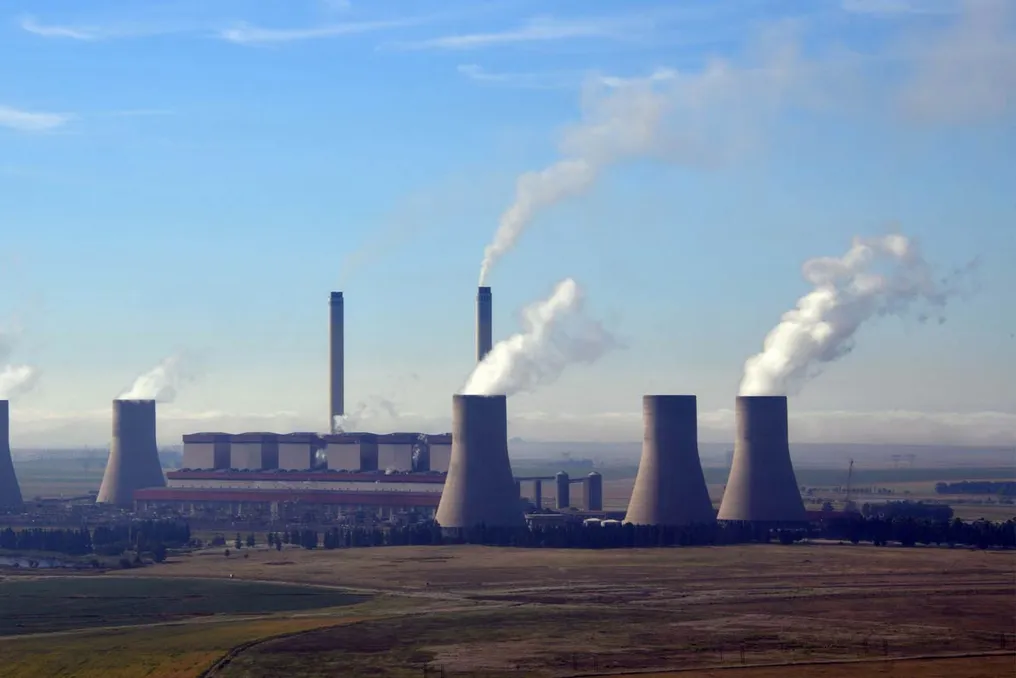
One remaining breach has been open since 2021. It relates to the inability to rectify identified non-compliance with the National Environmental Management Act, the National Water Act, and the Air Quality Act at several power stations—among others, in eight separate sections of the Water Act. Relevant authorities have issued notices of non-compliance in some instances, which, according to statements, creates a risk of sanctions and litigation if non-compliance continues.
These breaches, as indicated in the reports, led the auditors to conclude that the non-compliance 'constitutes a material breach of the directors' fiduciary duties.'
Eskom's response describes current work to address the root causes of what the company calls illegal water diversions, as well as obtaining an amended water use license from the Department of Water and Sanitation in March and continuing the implementation of the air quality plan.
Seven Months to Clean Audit
The Group Chief Financial Officer, Caleb Kassim, stated at the results presentation on Monday that the board of directors has established a three-year plan to achieve a clean audit, and he is confident that Eskom will reach this goal by the reporting period ending in March 2027.
He noted: 'If you can overcome load shedding, you can overcome eight years of losses. Achieving discipline in line with our policies and procedures depends only on us.'
Deloitte's assessment of the financial statements is that 'progress in addressing key control deficiencies responsible for recurring findings has been insufficient.'