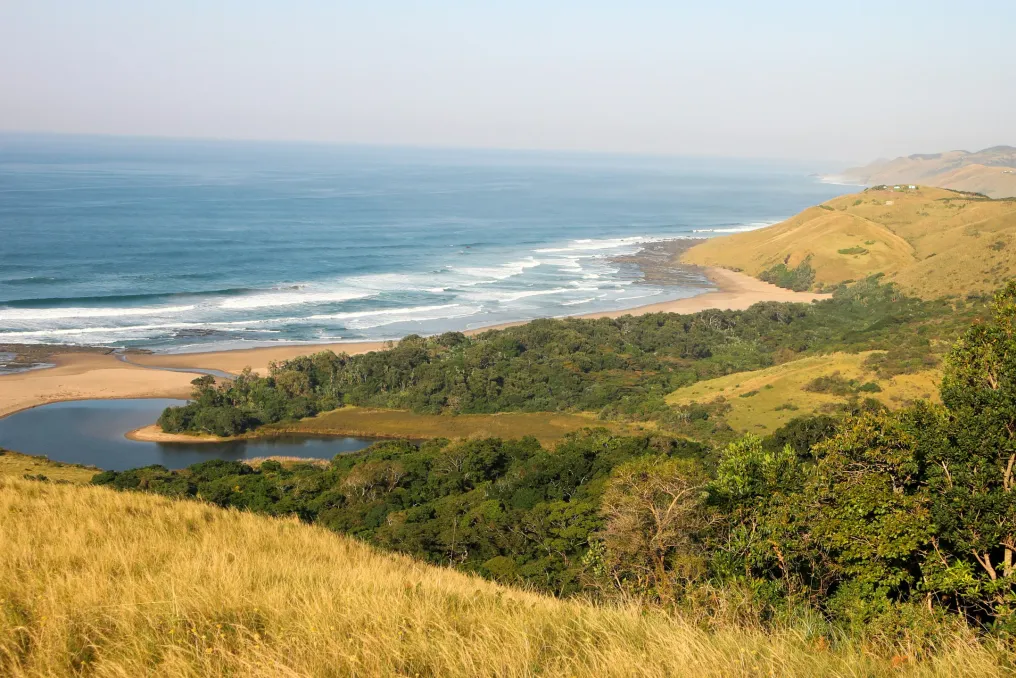
Three-Day Trip Along the Wild Coast's Quiet Shore: A Route from Morgan Bay to Haga Haga and Keitemaout
Read more
Getaway
getaway.co.za

Three-Day Trip Along the Wild Coast's Quiet Shore: A Route from Morgan Bay to Haga Haga and Keitemaout

When South Africans start talking about the Wild Coast, they often mention Coffee Bay, but a road trip along this coast can begin much further south, along a quieter stretch of the Eastern Cape's coastline.

About an hour's drive from East London, the coastal settlements of Morgan Bay, Haga Haga, and Keitemaout offer a gentler way to experience this part of the country. Here, dramatic cliffs meet long beaches, forest trails lead to the sea, and the Great Kei River marks the boundary between the more well-known Eastern Cape coast and the wilder landscapes further inland.

This journey is not just about ticking off sights; it is about spending three days traversing a small section of the coast and allowing each location to reveal a different facet of the Wild Coast.

One can start in Morgan Bay, or Gxarha, a small seaside town whose nature speaks for itself. This settlement is located about 90 km from East London and is known for its wide beach, lagoon, and high sea cliffs. The English name Morgan Bay comes from Cape Morgan, which was named in 1822 after A.F. Morgan, a master of the Royal Navy reconnaissance vessel Barracout. The colonial name remains on maps, although the local name in isiXhosa is Gxarha.

The appeal of Morgan Bay is obvious and simple. The beach is long enough for a leisurely stroll, and the lagoon offers calmer water than the open sea. It is a place where morning hours can easily dissolve between swimming, reading a book, and walking on the sand.

However, it is the cliffs that lend Morgan Bay its drama. One can follow trails along the coastline to enjoy sweeping views of the Indian Ocean, or walk from the end of Morgan Bay beach to the tidal pool and the forest trail leading to Cape Morgan lighthouse. From there, the route continues towards Keitemaout. Morgan Bay is also connected to the longer Strandloper trail, which runs along this stretch of coast from Keitemaout through Morgan Bay and Haga Haga before continuing south to Gonubi.

If travelers have the energy for further exploration, they should head to Double Mount Nature Reserve. The reserve offers camping, hiking, bird watching, fishing, swimming, surfing, and canoeing, making it an easy detour for those who prefer spending the first day outdoors rather than in the car.

Along this coast, there is also a fascinating layer of maritime history. In the open sea near Double Mount, a Portuguese ship, the Santo Espírito, sank in 1608. Historically, fragments related to this wreck, including Chinese blue-and-white porcelain and carnelian beads, have been found along the coast.

In the afternoon, return to Morgan Bay, preferably to a spot with cliff views. The best activity here is not to plan the evening too meticulously. Morgan Bay works because it allows you to stop trying to make every hour productive.

The drive to Haga Haga begins to feel like a real escape, not just a short weekend. This small coastal town is situated south of Morgan Bay, surrounded by hills and the Indian Ocean. It remains one of those places where the landscape, rather than a tight itinerary, is the main attraction.

The history of Haga Haga is linked to inland farmers who began coming to the coast in the early 20th century to graze livestock in winter. There are several possible origins for the village's unusual name. One explanation connects it to the isiXhosa phrase 'Haka Haka', which can be interpreted as 'to attach', relating to joining oxen to traverse difficult sections of the route. Other versions of the story have been passed down through generations, fitting for a place with folklore that has become part of its own name.

Upon arrival, there is no need to rush. Haga Haga is made for slow days on the coast. One can walk on the beach, explore the rocks and rock pools, swim when conditions allow, and spend time gazing at the sea. The village is also suitable for hiking, bird watching, fishing, and mountain biking. During whale migration season, the coast may offer opportunities to see whales and dolphins from shore.

This day should be left free in the schedule. Take a packed lunch to the beach. Walk until you feel the urge to turn back. Sit somewhere overlooking the water and watch the weather change. There is something increasingly rare in places that do not try to turn every natural feature into a scheduled experience. Haga Haga still offers this luxury. If Morgan Bay is defined by its cliffs, Haga Haga is defined by its silence. Stay long enough to notice.

On the last day, one must turn north towards Keitemaout, where the coast meets one of the Eastern Cape's most significant rivers. The Great Kei River is formed by the confluence of the black Kei River and the white Kei River before emptying into the sea at Keitemaout. Historically, the river served as the southwestern border of the Transkei region, and today it remains a defining feature of this stretch of coast.

Keitemaout is worth visiting purely for the scenery, but the most memorable experience here is the Pont. The Kei River bridge began operating in 1990 and provides a crossing between Keitemaout and communities on the opposite bank. Before the bridge, crossing the river required a much longer detour via Butterworth or a more complex boat journey. Today, this crossing remains both a practical link and one of the most unique experiences in the area. The crossing serves as a reminder that on the Wild Coast, rivers can still shape journeys.

Afterward, spend some time around the estuary. The Great Kei Estuary is known for boating, fishing, and bird watching, while the river and surrounding coastal landscape offer a different vista than the beaches and cliffs of the previous two days. Keitemaout also offers easy coastal walks, fishing, surfing, and bird watching, and its connection to the Strandloper Trail makes it a natural stop for travelers wishing to explore the coast on foot.

For a final walk, follow the coast and admire the point where the river meets the sea. This is a fitting place to conclude the trip.

The beauty of this three-day itinerary is that Morgan Bay, Haga Haga, and Keitemaout are close enough to combine without spending most of the vacation behind the wheel. Nevertheless, each location offers something unique. Morgan Bay brings cliffs, beach, and lagoon. Haga Haga offers that coastal silence that encourages slowing down. Keitemaout adds the Great Kei River and the experience of crossing the Pont, one of the most distinctive journeys on this stretch of coast. Together, they convincingly prove that there is more to look beyond the more famous names of the Wild Coast.

Coffee Bay will always attract attention. But the drive north from East London has its rewards: sandy cliffs catching the afternoon light, small villages that have managed to avoid excessive development, and a coast that is still shaped more by tides and rivers than by tourism. Three days is enough to see this part of the Eastern Cape. However, the best approach is to set aside three days and stop trying to see everything.
Similar stories

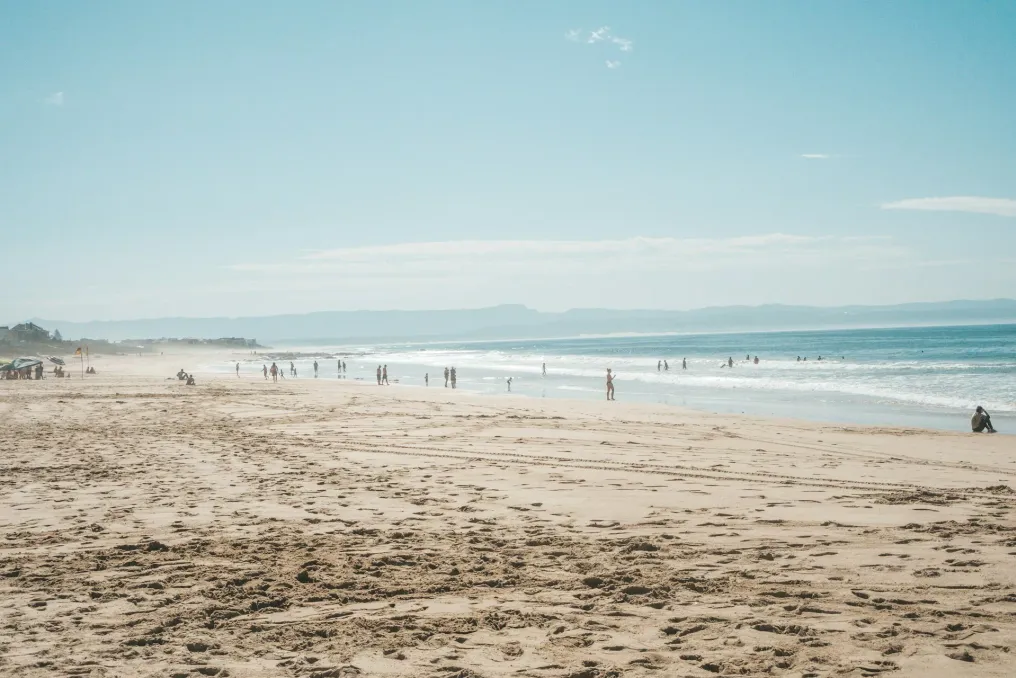
Secret Beaches of Sunshine Coast: Spots Worth Deviating From the Route
Read more
getaway.co.za

Secret Beaches of Sunshine Coast: Spots Worth Deviating From the Route

The approach of spring makes the Sunshine Coast an attractive destination for travel. Although Jeffreys Bay is known for its famous waves, the East Cape coast offers quieter places to explore between Gqeberha and East London, including picturesque bays, rocky sections, and small coastal villages.

Near Gqeberha is Maitland Beach, where a wide stretch of golden sand lies beneath the region's impressive coastal dunes. Despite its proximity to the city, this beach can feel very wild, especially outside the high holiday season. It is an excellent place for morning walks, shell collecting, or leisurely strolls along the dunes, particularly with the mild spring weather.

Further west is Van Stadens Beach, hidden beneath majestic cliffs and accessible via a steep descent. This effort is rewarded with a tranquil shore, rock pools, and opportunities for fishing and shell hunting. Nearby is the Van Stadens Wildflower Reserve, which is especially beautiful in spring when the landscape blooms.

For underwater enthusiasts, Kini Bay is recommended. The rocky reefs here attract divers and snorkelers eager to explore the marine life of the Sunshine Coast. Depending on conditions, one can encounter reef fish, octopuses, and colorful nudibranchs, demonstrating the diversity of marine environments in the region.

Closer to Cannon Rocks, Boknes Beach features a wide sandy stretch, ideal for picnics, long walks, fishing, and birdwatching. Its proximity to the Dias Cross memorial adds a historical flavor to this coastal getaway.

Cannon Rocks is a small coastal village with a relaxed pace of life. The surrounding beaches offer space for walking, fishing, and exploring rock pools, and are also known for their kitesurfing spots. In cooler months, migrating whales may appear in the open sea. Nearby is the Alexandria Coastal Dunefield, one of the country's largest and least disturbed sand masses.

For complete solitude, head to Kasouga Beach. Due to minimal commercial development, this stretch of coastline feels remote from noisy resorts. It is necessary to bring provisions, a towel, and enough time; here you can fish, walk along the coast, and enjoy quiet days on the beach, and sometimes dolphins can be seen in the open sea.

The Sunshine Coast is also a wonderful place to combine a coastal road trip with wildlife viewing. The Woody Cape section in Addo Elephant National Park protects coastal forests and dune systems, while estuaries such as the Kariega and Bushmans rivers provide vital habitats for birds and aquatic fauna.

It is recommended to bring binoculars, as African black-backed gulls, Cape Gannets, and brown gulls can be spotted along the coast. Dolphins are present year-round. Winter offers particularly good whale-watching conditions, as grey and humpback whales pass through the coastal waters. Near estuaries and coastal forests, lucky visitors may encounter otters or blue dukes.

Further south, Glen Eden offers another secluded coastal stop with rocky headlands, rock pools, and a relaxed atmosphere, making it suitable for families and travelers who prefer exploring the shoreline rather than following a list of attractions.

The region's natural areas are not only about landscapes. Areas such as the Sardinia Bay Marine Reserve and Alexandria Coastal Dunefield protect coastal habitats and marine ecosystems, highlighting the importance of responsible exploration. Visitors should stick to marked trails, avoid disturbing marine life, and leave shells, rocks, and other natural treasures in place.

Spring is a particularly appealing time to explore. The period from September to November is characterized by pleasant temperatures, blooming coastal vegetation, and the possibility of seeing migrating whales, while the beaches are less crowded than during the December peak holiday season.

Instead of rushing from one famous surf spot to another, it is worth planning several days and choosing a scenic route. It is recommended to bring a picnic, comfortable walking shoes, binoculars, and a swimsuit. You can try an organized marine ecology tour, explore a rock pool at low tide, go kayaking in an estuary, or book a horseback ride on the beach. Even better—choose a small coastal village as a base and discover a new patch of sand every morning.

While Jeffreys Bay may be the highlight of the Sunshine Coast, it is just the beginning. Follow the road, take detours, and let spring lead you to quieter shores.

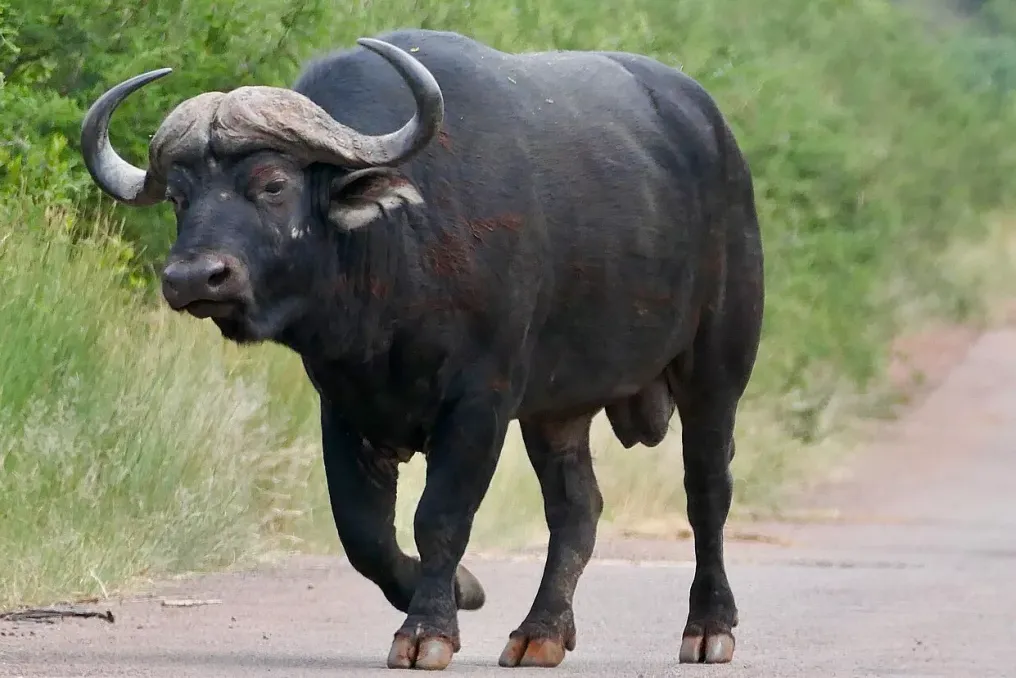
Three Ways to Explore the Wildlife of Marakele National Park in Waterberg
Read more
getaway.co.za

Three Ways to Explore the Wildlife of Marakele National Park in Waterberg

Marakele National Park is a mountainous massif rich in wildlife and extensive bushveld, offering numerous options for visitation. Located in the Waterberg mountains of Limpopo, the park feels like a secluded place despite its relative accessibility from Johannesburg. Its name means 'place of refuge' in Tswana, and the park lives up to this definition with its dramatic mountain landscapes, rich biodiversity, and impressive concentration of wild animals.

The park is home to 91 species of mammals and has recorded 314 species of birds, including a large colony of vultures. Whether you prefer a luxurious safari, a budget-friendly family holiday, or a true off-road adventure, there are three main ways to experience Marakele.

For the most complete experience in Marakele, it is recommended to stay at Marataba Safari Lodge. This luxury lodge is situated on a private concession of 23,000 hectares within the wider Marakele landscape. The focus here is on combining wildlife experiences with the comfort of a high-end safari. This option suits travelers who want to enjoy the bush environment without worrying about cooking, packing a cooler, or independently planning every animal viewing trip. Days are spent accompanied by guides during game drives, where elephants, rhinos, and predators can be sought, before returning to the camp for meals and enjoying the surroundings of the Waterberg.

Marakele is also particularly attractive to bird lovers; soaring vultures can be observed over the cliffs and mountains. The park lies in a transitional zone between the drier western regions of South Africa and the wetter eastern landscapes, creating an unusually diverse environment for flora and fauna. This option is ideal for couples, special occasions, memorable trips, and those desiring a classic luxury safari.

It is not necessary to stay at a luxury lodge to enjoy Marakele. One of the park's strengths is the ability for visitors to stay in self-catering accommodation and create their own safari experience. Bontle Rest Camp offers both camping and permanent tented modules. The tented modules are equipped with private verandas, fully fitted kitchens, and outdoor barbecue areas, making them a practical choice for families wanting more comfort without full lodge service.

Another option is Tlopi Tented Camp, which overlooks the Apiesrivierpoort dam. Its furnished tents feature kitchens, private bathrooms, electricity, and verandas, and can accommodate two extra beds for children. Self-driving also gives families the freedom to set their own pace. Visitors can bring binoculars, snacks, and a picnic, then spend the day exploring the park's marked roads and observing wildlife. For South African residents, the current conservation fee is 73 Rand per adult and 37 Rand per child aged two to 11, although tariffs may change. It is important to remember that this is a wild environment: visitors must remain in vehicles except in designated areas, and the speed limit in the park is 30 km/h. This option is best suited for families taking their first safari, campers, and budget-conscious travelers.

For a more rugged experience, one can sign up for the three-day, two-night 4x4 Eco Trail in Marakele, traversing the park's wilderness area. This is not just a leisurely drive through scenic spots. The route requires a reliable 4x4 vehicle capable of low-range operation and appropriate ground clearance. Participants travel in their own vehicles, following a convoy led by a ranger. The route crosses the rugged terrain of the Waterberg, including steep sections, muddy patches, and changing road conditions. Over three days, you will stay in undeveloped wilderness camps, cook your own food, and carry your supplies. In return, you gain full immersion into the less developed parts of the park, with opportunities to encounter wildlife, track signs, and learn about various ecosystems from the accompanying ranger. If a three-day 4x4 trek seems too challenging, guided walks offer another adventurous way to experience Marakele. Qualified field guides conduct morning and evening walks tailored to guests' preferences and fitness levels. This option is perfect for experienced 4x4 drivers, active lifestyle enthusiasts, avid photographers, and anyone wishing to delve deeper into the wilderness of the Waterberg.

The beauty of Marakele is that you do not have to choose just one safari experience like everyone else. Luxury travelers can stay on a private concession, families can self-cater and explore at their own pace, and adventurous visitors can tackle the mountains on a challenging 4x4 route. Whatever path you choose, the landscape remains the main attraction: the rugged peaks of the Waterberg, the open bushveld, the soaring vultures, and the chance to see some of Africa's most iconic animals.

Popular