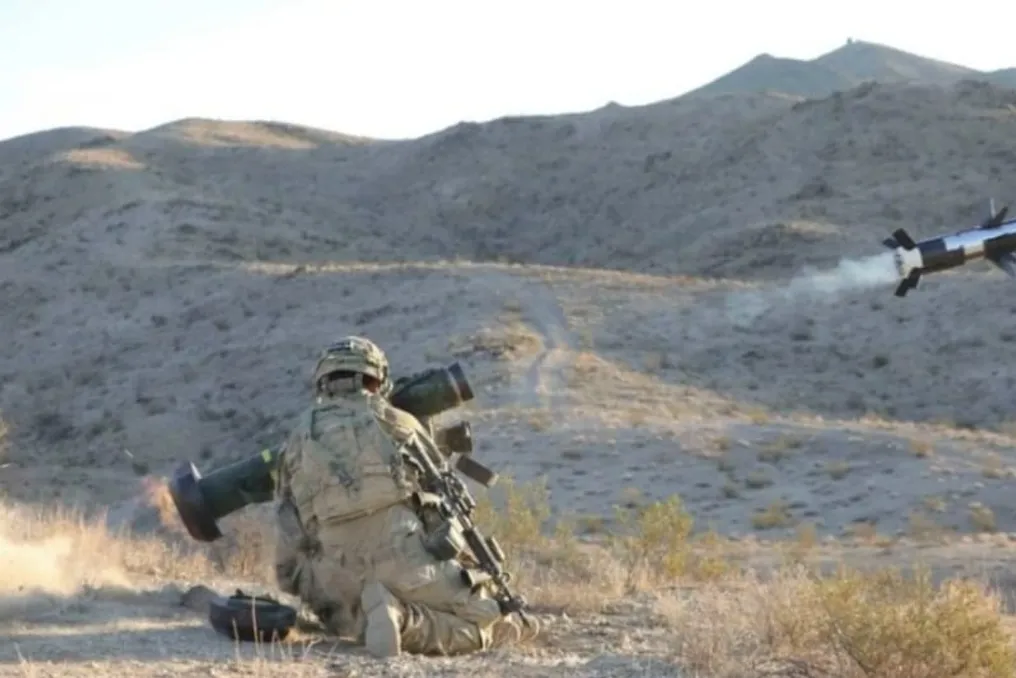
Tata Advanced Systems signs major deal with American Javelin missile manufacturer in India
Read more
Aaj Tak
www.aajtak.in

Tata Advanced Systems signs major deal with American Javelin missile manufacturer in India

India has made a significant step in defense manufacturing. Tata Advanced Systems Limited (TASL) signed a Memorandum of Understanding (MOU) with Javelin Joint Venture. This joint venture includes Raytheon and Lockheed Martin.

According to the terms of the agreement, there are plans to explore the possibility of establishing a facility in India for the final assembly and integration of the Javelin anti-tank missile system. After assessing the potential and experience of several companies, Javelin Joint Venture selected TASL as its primary partner for co-production in India. This cooperation will also involve developing the capability to manufacture some components of the missile in India.

Under this co-production model, sub-assembly kits manufactured at the Lockheed Martin facility in Troy, Alabama, as well as control electronics modules produced at the Raytheon facility in Tucson, Arizona, will be sent to India. The final integration of these components will then take place in India.

According to the participating companies, this partnership will help strengthen India's defense industrial base and promote the transfer of high technology and the development of high-tech manufacturing. Furthermore, this model will support job retention in the US defense sector.

Javelin Joint Venture reported that over 55 thousand Javelin missiles and more than 12 thousand reusable command launch units have been produced to date. This initiative in India is crucial for increasing production capacity to meet growing global demand.

Vice President of Javelin Joint Venture, Rich Lishon, noted that establishing a final assembly and integration facility in India will significantly strengthen the supply chain for this vital anti-tank weapon. For his part, Chairman and Managing Director of Tata Advanced Systems, Sukarn Singh, stated that local assembly of Javelin in India will enhance combat readiness and ensure timely availability of this battle-tested system for the Indian armed forces.
Similar stories

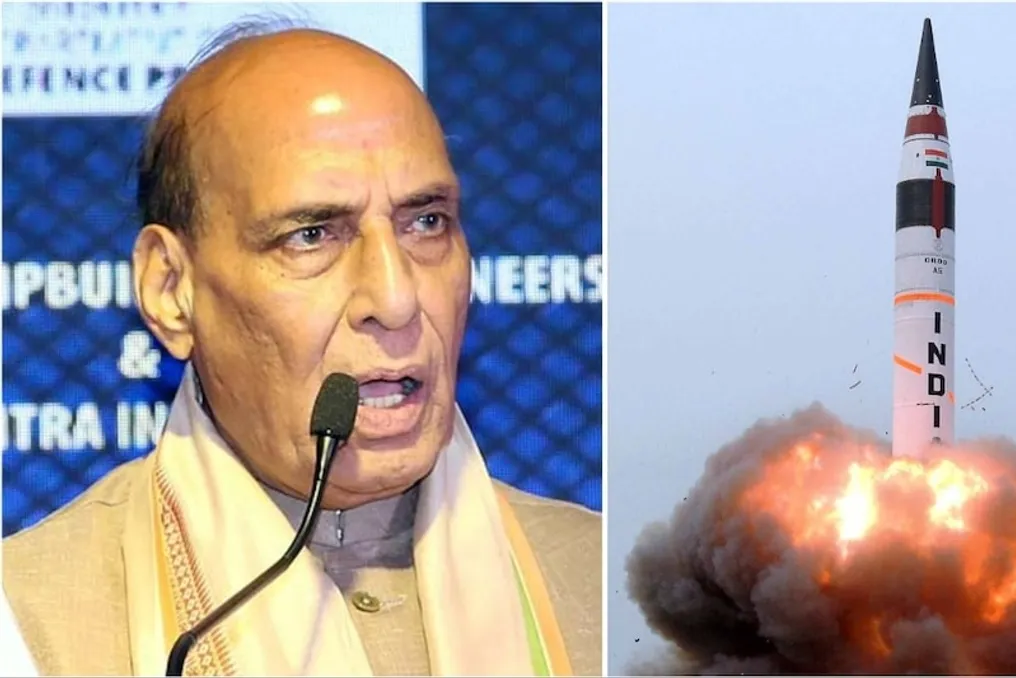
Defence Minister Rajnath Singh approves transfer of missile system technologies to domestic industry
Read more
www.aajtak.in

Defence Minister Rajnath Singh approves transfer of missile system technologies to domestic industry

Defence Minister Rajnath Singh has made an important decision by approving the transfer of technologies for all traditional missile systems developed by DRDO (Defence Research and Development Organization) to domestic industry. This technology transfer process will pave the way for the production of these missiles within the country.

Previously, these technologies were primarily accessible to government institutions. Now, private companies will be able to manufacture them. This step is aimed at strengthening the concept of 'Atmanirbhar' (self-reliance) in the defence sector, allowing Indian companies to produce advanced missile systems domestically. Production will proceed provided that necessary standards, certifications, and regulatory requirements are met.

DRDO will now shift its focus from missile development to their industrial production, utilizing the potential of the domestic industrial sector. This will strengthen the entire missile production chain within the country. Micro, Small, and Medium Enterprises (MSMEs) and other technological partners will also be able to enter the supply chain, gaining new opportunities and creating job prospects.

The main goal of this initiative is to increase domestic production capacity, strengthen India's defence industrial base, and reduce dependence on imports. Currently, many advanced weapon systems rely on foreign supplies. Providing these technologies to Indian companies will enable the country to independently manufacture the required missiles.

This will not only save foreign exchange but also ensure uninterrupted supplies in emergencies. Increased participation of the private sector in defence manufacturing stimulates innovation and competition. This decision is part of DRDO's policy emphasizing the transfer of developed technologies to industry.

As part of this step, which is a significant move towards achieving the vision of Atmanirbharta in defence, Defence Minister Shri Rajnath Singh approved the transfer of technologies for all traditional missile systems developed by DRDO to Indian industries for domestic production. These traditional missile systems may include various types of already developed missiles. Their production will allow the Indian armed forces to acquire modern weaponry faster. Involving MSMEs in the missile supply chain will ensure skill development across the sector, and companies will be able to adopt new technologies and gain a foothold in the global market.

Companies will need to obtain the necessary qualifications and certifications before production can commence. This process will make the defence sector more open and competitive. In the long term, India will be able not only to meet its own needs but also to export missile technology. Rajnath Singh's decision is a firm step towards self-reliance, which will strengthen the country's defence potential and inject new energy into the defence industry. This is a major opportunity for Indian companies to utilize properly.

Popular