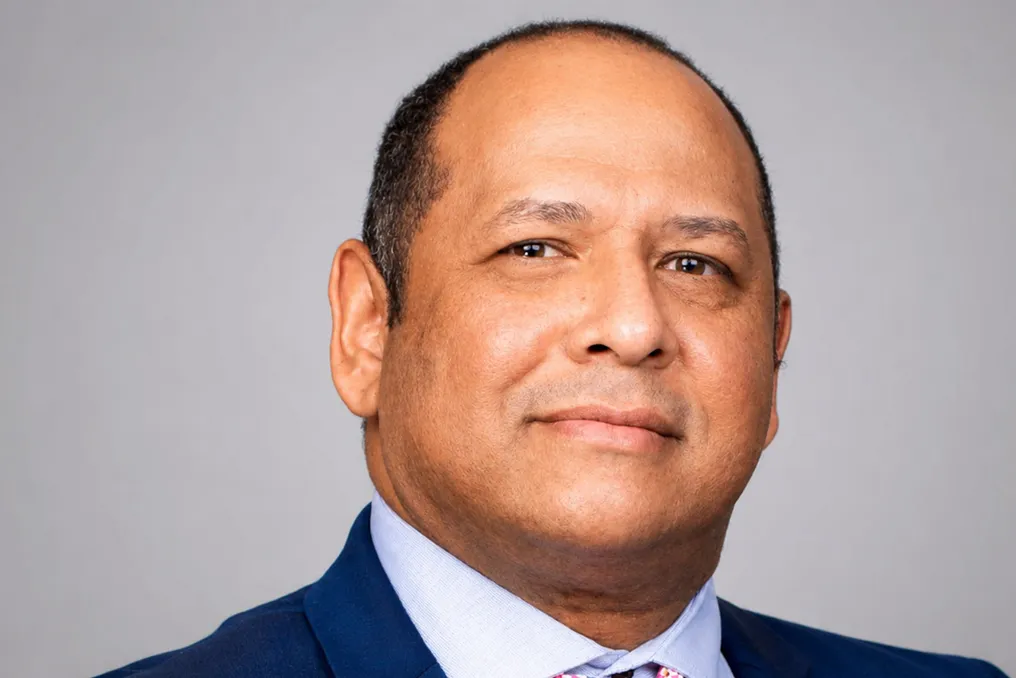
Eskom reported a profit of R30.3 billion for the year ending March 31, but a significant amount of potential revenue was not reflected in the financial statements. The group's Head of Finance, Caleb Cassim, detailed this discrepancy during the results presentation on Monday.
According to Cassim, Eskom lost 13.1 TWh of electricity due to theft over the year. This energy was generated, transmitted, and consumed, but never billed. At an average selling price of about R2.20 per kWh, this amounts to approximately R29 billion in revenue that should have appeared at the top line of the report but did not.
The second gap is related to accounting. Since Eskom can only recognize revenue from municipalities that do not pay upon actual receipt of funds, R15.8 billion invoiced during the year is completely absent from the revenue. The financial statements confirm this: out of R30 billion invoiced to large and municipal clients, R14.2 billion was recognized based on actual collection, while the remainder did not pass the collectability test.
Cassim stressed the need to resolve the municipal debt issue to ensure current reporting, noting that this would help improve liquidity and also contribute to the company's profitability. Thus, about R45 billion in potential revenue is outside the company's operations, which earned R30.3 billion.
Resolving the Municipal Debt Issue
Cassim stated that if they could secure and improve 50% of this amount in the future, it would provide an annual starting point of R20 billion, which was previously unavailable. However, he clarified that they cannot do this alone and require support from the government and law enforcement agencies.
Eskom plans to return to capital markets in 2028 and aims to do so based on its own credit rating, rather than under government guarantees. Cassim noted that the utility company does not want further equity injections from the state, which has provided support of about R480 billion over the last decade and committed to easing a debt burden of R230 billion. When asked in parliament about the need for additional assistance, he responded that resolving the municipal debt issue removes this question.
The total outstanding municipal debt reached R111.6 billion by the end of the year, which is R17 billion more than the previous year. Approximately R12 billion of this amount is owed by metropolitan areas. Cassim warned that if the problem is not solved, this figure could reach R358 billion by 2031, which, in his words, would completely negate the benefit of the R230 billion debt relief program. He added: 'Eskom cannot be a bank for municipalities.'
Regarding theft, Eskom CEO Dan Marokane reported that by the end of March, the company had 710 active forensic cases, including 505 arrests, 13 convictions, 15 employees dismissed following forensic recommendations, 101 suppliers restricted, and 299 criminal cases filed with the police. A center for intelligence-based investigations was opened in March.
Marokane noted that these figures demonstrate progress, but activity is not yet final accountability, as arrests do not equal convictions, and active cases do not mean completed investigations. He also disclosed that due diligence checks and proactive procurement of high-value tenders, which were suspended in October 2022, have been reinstated. He explained that their absence 'created some vulnerabilities' in Eskom's internal control systems.
Cassim, who is leaving the company after 24 years, nine of which were spent as CFO, committed to ensuring a clean audit of the company by March 2027—a deadline that will fall to his successor. Deloitte qualified the annual report this year regarding the completeness of irregular expenses, although only one of the five irregularities identified last year remains, concerning environmental compliance and water usage.