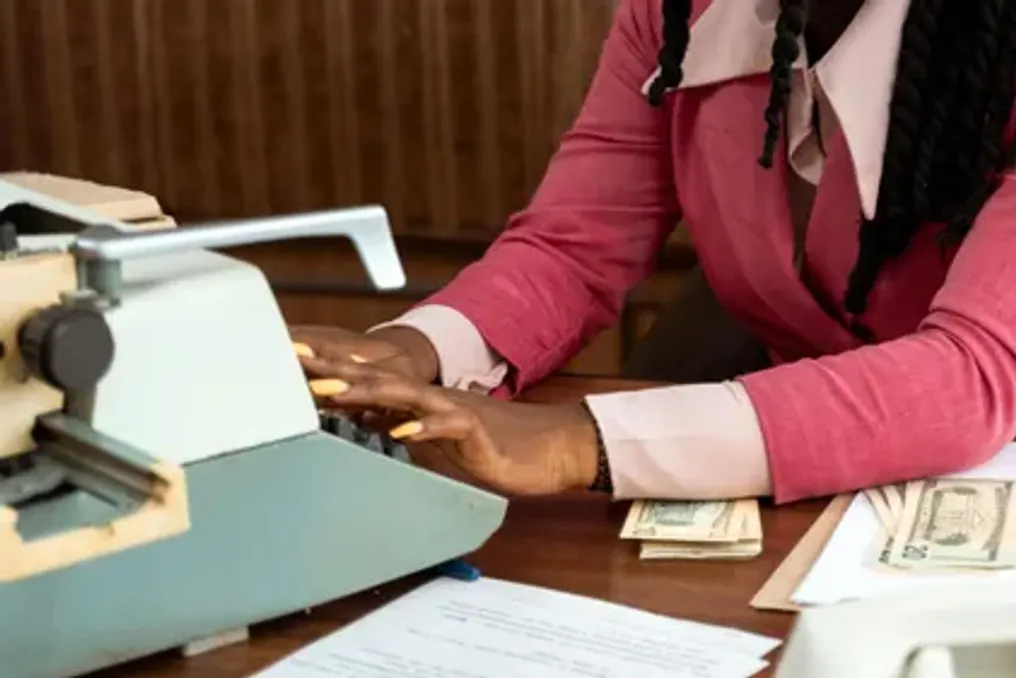
Women in South Africa account for 44 percent of the total employed population, but the distribution of their employment across economic sectors shows significant differences. According to an analysis by Statistics South Africa, women hold more than half of the jobs in the retail, hotel and restaurant industries, as well as in personal services. However, they remain underrepresented in sectors such as construction, mining, transport and warehousing, as well as in automotive trade.
The study is based on the agency's structural industry surveys, which provide a more detailed picture of employment in VAT-registered enterprises compared to general labor market data. Representatives from Statistics South Africa note that gender representation varies across the economy, differing in various industries and even within those industries themselves.
Sectors Requiring Soft Skills
In social work and in the operations of hospitals, medical, and dental institutions, women occupy over 70% of the jobs, making these areas among the most female-dominated in the formal economy. At the opposite end of the spectrum is construction, which proved to be predominantly male, with low female representation across the entire industry, not just in specific types of work, as established by Statistics South Africa.
The smallest share among the 123 job types studied by Statistics South Africa was held by employees in the rental of construction or demolition equipment, followed by painting and finishing, and stone quarrying. Simultaneously, although women are generally underrepresented in manufacturing, they hold over 60% of the jobs in the textile and garment industry.
A similar pattern is observed in the transport and storage sector. Although relatively few women work in this industry overall, they hold over 60% of the jobs in travel agencies. Even in the personal services sector, which has the highest overall female representation, there are significant discrepancies: women make up only slightly more than a third of those employed in sports compared to three-quarters in social work.
Job Seeking
Women already face disadvantages as they find jobs less frequently. Statistics South Africa found that in the second quarter of 2026, women constituted slightly more than half of South Africa's working-age population, numbering 42.3 million, but their official unemployment rate reached 37.5%, compared to 30.3% for men. Young women also struggle to start their careers: 38.2% of women aged 15 to 24 are not working, studying, or training, compared to 34.6% of young men.
Gender imbalance persists even after women find employment. In the second quarter, only seven out of ten working women held management positions, whereas this figure was 10% among working men.
Barriers on the Career Ladder
The gap remains at the highest levels of the South African corporate sector. According to the BDO South Africa 'GiveToGain' report for 2026, in 2025, women held 38% of board seats among companies listed on the JSE Top 40, but only 27.4% held executive positions. BDO also found that nine companies achieved or exceeded gender parity on their boards, but only three had female CEOs, and six had female chairpersons.
The SNG Grant Thornton study paints a somewhat more encouraging picture at lower management levels. Their 'Women in Business 2026' research showed that women hold nearly half of management positions in South Africa, significantly higher than the global average of one-third. Nevertheless, Statistics South Africa noted that women are much more concentrated in clerical work, which accounted for 17% of female employment versus 5.8% for men. Household work accounted for 10.8% of employed women compared to only 0.5% for men.