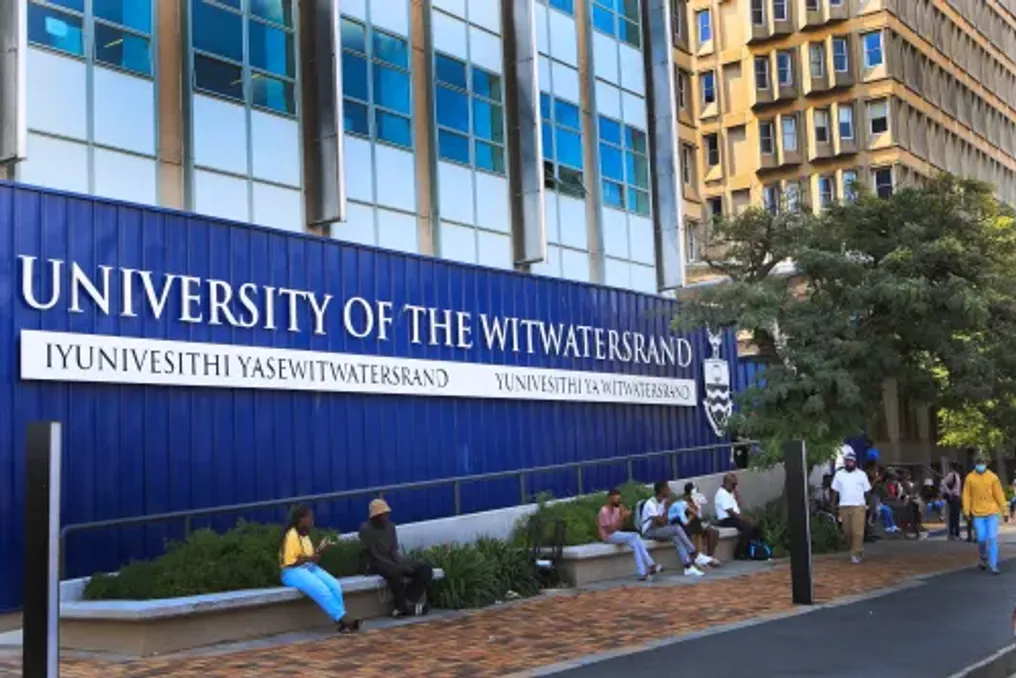
Wits University issued a denial regarding the claims that the proportion of foreign employees in the university reaches 98%, and that qualified South African citizens are being ignored in hiring. The university clarified that international staff constitute only 9% of the total workforce.
This response came in light of social media reports alleging that the university favors foreigners over South African citizens, particularly among unemployed graduates. Wits stated that such assertions are false, emphasizing that international personnel make up only 9% of its staff.
In an official statement, the university noted that it is aware of the circulation of inaccurate news concerning the number of foreign employees. The university urged the public to refrain from spreading disinformation that could contribute to societal and national division.
The university also explained that its internationalization strategy does not contradict the principles of transformation or the development and employment of South African talent. It stated that the institution's goal is not isolated localization or internationalization, but the creation of a strategically balanced structure that develops South African leadership while attracting the best global expertise when necessary.
These accusations actively circulated on the X network (formerly Twitter), where some users claimed that Wits University hires foreigners while qualified South African citizens remain unemployed. The online reaction to this dispute was mixed, with both support for and denial of the allegations.
This conflict occurs against the backdrop of the ongoing high unemployment rate in South Africa and growing public concern over whether employers are providing sufficient opportunities for citizens. Furthermore, it coincides with increased scrutiny of the hiring of international academics in higher education institutions.
Unemployment remains high
According to the latest Quarterly Labour Force Survey published by Statistics South Africa, the official unemployment rate in South Africa reached 33.6% in the second quarter of 2026, up from 32.7% in the first quarter. The number of unemployed people increased by 345,000, reaching approximately 8.5 million, while the number of employed people decreased by 16,000 to 16.7 million. This latest data reinforces concerns about the country's ability to integrate graduates and other applicants into the labor market.
Parliament probes foreign appointments
The scandal surrounding Wits takes place amid the fact that the Parliamentary Portfolio Committee on Higher Education and Training has initiated a seven-year investigation into the admission of foreign nationals into universities. The committee expressed concern over whether higher education institutions are complying with all South African labour laws. Last week, the committee met with the Special Investigating Unit, the Department of Employment and Labour, the Department of the Interior, and the Department of Higher Education and Training to discuss the issuance of study and work permits for foreigners, as well as measures to ensure compliance with current legislation.
Statistical data presented by the Department of Employment and Labour showed that in 2025, among professionally qualified populations in universities, African senior managers accounted for 41.9%, white individuals for 25.3%, Indians for 10%, Coloured people for 6.9%, and foreign nationals for 16%. Committee Chairperson Tebogo Letsie stated that the committee supports internationalization but insists on adherence to South African labour law. He noted: 'We believe in internationalization, but there must be compliance with the country's labour laws, such as the Employment Services Act and the Employment Equity Act.'
He added that the committee's involvement is not an attack on foreign academics, but rather aimed at strengthening the post-school education and training system while ensuring compliance with relevant policies and legislation. Letsie reported that they will follow due procedures and channels to request a special proclamation through the Speaker of the National Assembly addressed to the President of the country regarding the admission of foreign nationals over the past seven years. He also called on the Department of Employment and Labour to enforce labour laws and prosecute institutions in the post-school education system where non-compliance is found.
Student accommodation under scrutiny
The committee also raised issues concerning student accommodation and the management of funds designated for student assistance. Letsie emphasized that the committee has consistently supported the inclusion of the National Student Financial Aid Scheme in the accreditation process for student housing. Accommodation has become a commodity and a 'gold mine' for some unscrupulous operators.
He noted: 'Student accommodation is not only necessary but is also an area where universities play a significant role. The committee is aware that some universities charge fees for students housed in certain residences, including cases where the state pays for accommodation even if the students no longer reside there.'
The committee also commended the Special Investigating Unit and the Ombudsman for investigating allegations of mismanagement, corruption, and other misconduct in higher education institutions. Letsie believes that a deeper analysis of persistent problems related to funding intended to support students with accommodation is necessary. He suggested that an upcoming colloquium could help the sector find solutions to housing and student funding issues.