The Kenyan coast is often associated with Mombasa and the Diani resort beaches. However, moving north, the pace of life changes. Quiet streams, fishing villages, mangrove forests, and centuries-old Swahili settlements offer a deeper immersion into coastal life, where daily existence is shaped by the Indian Ocean.
This 72-hour itinerary, running from Kilifi to Watamu and Lamu, combines marine life, coastal history, fresh seafood, and relaxed beach time.
Exploring Kilifi and Surroundings
Kilifi serves as a natural starting point for traveling along Kenya's quieter coast. The town is situated near a wide stream where mangroves, fishing boats, and tidal waters replace the busier promenades characteristic of other locations. In Kilifi, there is no need to fill every hour with activities, as the appeal of this area lies in its slow pace.
The area offers a blend of beaches, water activities, cultural experiences, and community-focused tourism. Next is the direction towards Takanga, a historic settlement located by a stream south of Kilifi. This village has strong ties to the Swahili and Mazrui cultures, featuring ancient mosques, old buildings, and a waterfront that remains closely linked to fishing and community life.
During the trip, be sure to try the freshest seafood dishes—fish, crabs, shrimp, and other local delicacies, depending on the day's catch. Local initiatives around the Kilifi stream also showcase local cuisine alongside projects for mangrove conservation and aquaculture. It is recommended to spend the night in Kilifi, preferably near the stream or Bofa Beach.
Marine Conservation in Watamu
After breakfast, the journey continues north to Watamu, where the focus shifts from local communities to marine environmental protection. The Watamu National Park and Reserve protects coral reefs, mangrove swamps, and diverse marine habitats. The waters of this park are home to sea turtles, dolphins, whales, whale sharks, and numerous fish species.
In the morning, you can go snorkeling, diving, or take a guided boat tour. The protected waters around the Mida stream also provide an opportunity to study Kenya's mangrove ecosystems. It is important to follow the recommendations of local operators and conservation authorities, giving wildlife ample space.
After lunch, a visit to the ruins of Gede is planned, located inland from the coast. These remnants belong to a once-thriving Swahili settlement. Mosques, houses, palaces, and other structures offer insight into the advanced trading communities that flourished along the East African coast. Time should be spent exploring the archaeological site rather than treating it as a quick stop; the combination of coral stone ruins and dense forest makes Gede one of the most atmospheric historical attractions on the coast.
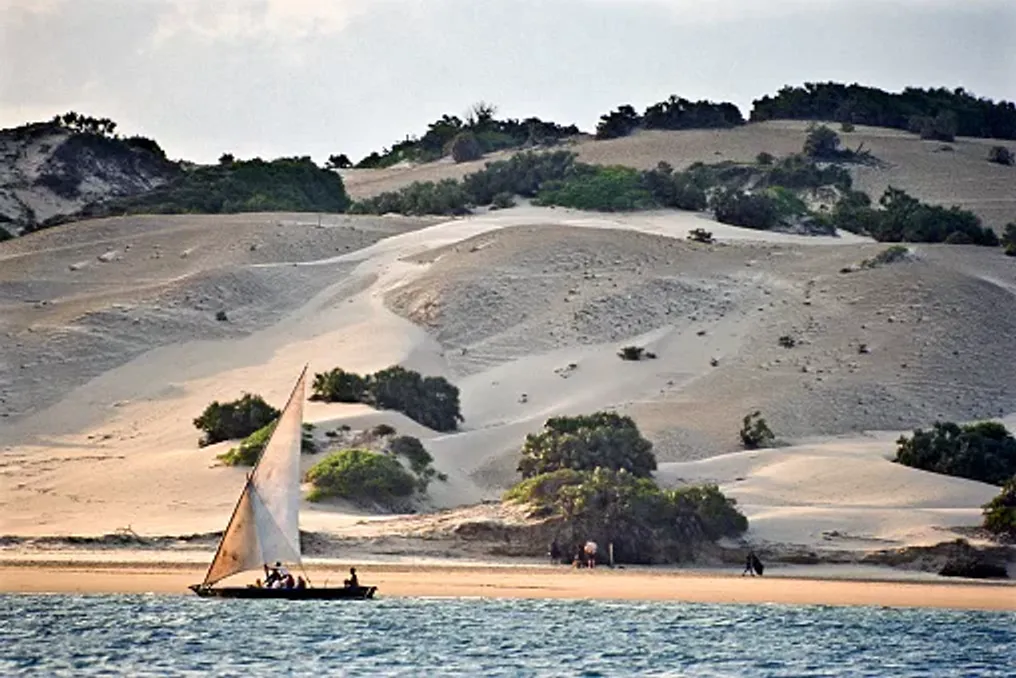
Returning to Watamu allows for a relaxing day at the beach. You can swim, walk on the sand, or take an evening boat ride before dinner. Traditional dhow tours are available along some stretches of the coast, offering a more leisurely way to experience the Indian Ocean. The night is spent in Watamu.
Journey to Lamu
To travel to Lamu, you should start early. Depending on transport arrangements, you can head to mainland Lamu and continue by boat, or connect via Malindi to a flight to Manda airport. The final leg of the journey is longer than the Kilifi-Watamu stretch, so careful planning is required when creating a 72-hour plan.
Upon arrival in Lamu, it is recommended to leave the car and explore the island on foot. Old Town Lamu is a UNESCO World Heritage site and represents one of the oldest and best-preserved Swahili settlements in East Africa. Its narrow streets, coral stone buildings, carved wooden doors, inner courtyards, and verandas reflect centuries of cultural exchange along the Indian Ocean.
Although Lamu is not just a restored historical site, it is a living community, making respectful exploration particularly important. Lunch can be used as an opportunity to sample local coastal cuisine. Swahili cuisine is based on centuries of Indian Ocean trade, combining seafood and spices with ingredients like coconut and rice. It is recommended to seek out restaurants and eateries that support the local population instead of standard tourist menus.
Next is the direction towards Shela for a quieter end to the day. This village possesses a calmer and more relaxed atmosphere, with sandy paths, historic houses, and easy access to the beach. Time can be spent walking along the coastline or simply enjoying the view of the water. The trip can conclude with a traditional dhow ride. An evening sail around Lamu provides a final perspective of the islands, channels, and coastline. At sunset, the boats and historic waterfront perfectly conclude a journey shaped by the sea.
Three days are enough for an introductory overview, but the route would be even better with one or two extra days. The biggest mistake is trying to see everything. Kilifi, Watamu, and Lamu reward travelers who allow time for wandering, eating, and simply enjoying the coast. While Kilifi and Watamu are relatively easy to combine, the trip to Lamu requires more preparation. A pre-arranged transfer service or flight can save time on a short trip. If traveling independently, allow flexibility in the schedule and avoid booking too close events.
The appeal of this route lies in its diversity. In three days, you can experience all the listed elements, and together these places reveal a side of the Kenyan coast far beyond traditional beach holidays. The quieter the destination, the more important thoughtful travel becomes. Whenever possible, use the services of local guides, support small restaurants and businesses, and respect local customs. In Lamu, remember that the historic town is a living neighborhood, not an open-air museum. When visiting marine areas, follow nature conservation rules and do not touch corals or approach wildlife. Responsible choices help protect the ecosystems and communities that make this coast worth visiting.