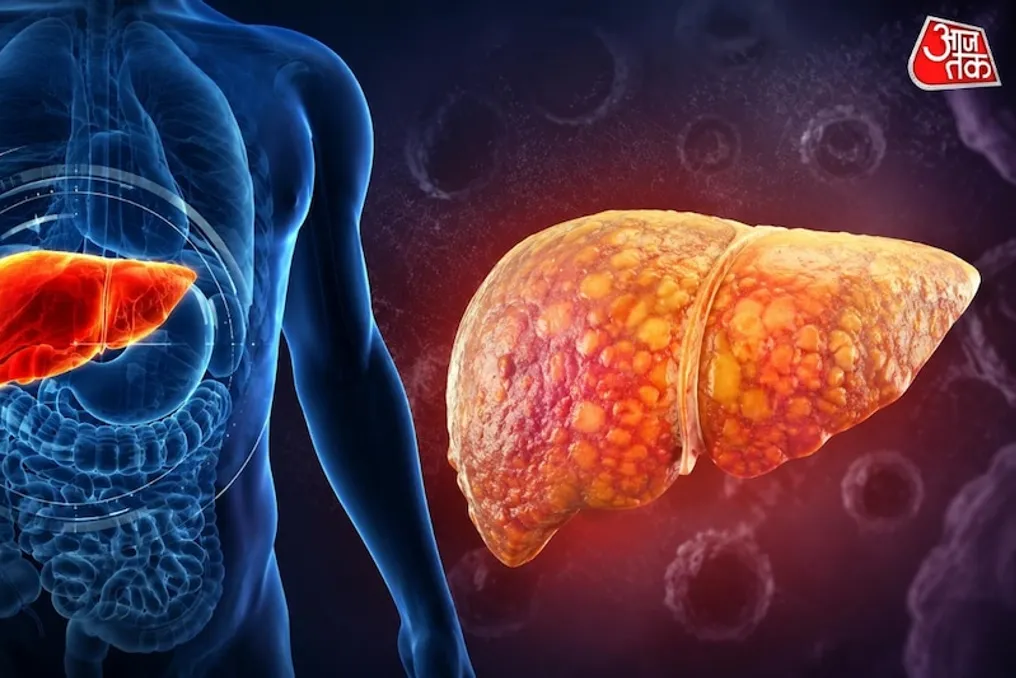
The liver is essential for saving the lives of patients suffering from cirrhosis or liver failure. In some cases, a donor can be found, while in others, this is not possible. A question arises for people who donate their liver: will the organ recover after such a donation? There is also interest in whether there are any risks after donation. These questions are discussed with the participation of a doctor.
The liver is an organ that possesses a unique ability for self-regeneration. Thanks to this feature, a healthy person can donate part of their liver. Dr. Piyush Gupta, Senior Consultant in Gastroenterology, Hepatology, and Endoscopy at Max Hospital, spoke about this process.
Dr. Piyush explains that for a liver transplant, the liver of both deceased and living healthy individuals can be used. If the donor is alive, this procedure is called a living donor liver transplant. During the operation, doctors remove only the part of the liver necessary for the patient. It is monitored to ensure that the donor retains a sufficient portion of the liver to maintain a normal lifestyle.
The portion of the liver donated by a person begins to increase on its own after the operation. This process is called hepatic regeneration in medical terminology. As part of this process, liver cells begin to grow and increase in number, which gradually leads to an increase in the size and functionality of the liver. This process starts some time after the surgical operation.
Dr. Piyush notes a common misconception that the donated part of the liver restores to its original size and shape. In fact, after donation, the liver increases its weight, size, and working capacity to meet the body's needs. The speed of these changes is individual for each person. However, there is no complete recovery to the former size, and differences in condition may persist between the pre- and post-operative periods.
After surgery, regular consultations and follow-up with a doctor are extremely important. Furthermore, it is necessary to ensure adequate nutrition, refrain from alcohol consumption as recommended by the doctor, and take prescribed medications.