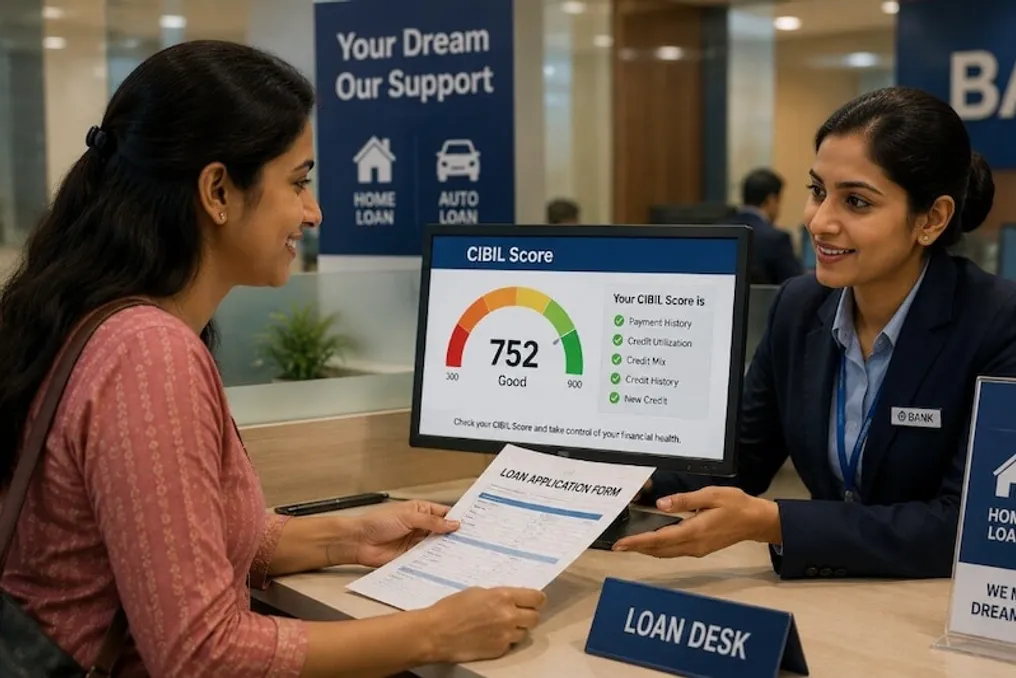
For those planning to purchase housing or take out a personal loan, the CIBIL credit score is a critically important indicator. CIBIL stands for 'Credit Information Bureau (India) Limited' and is a three-digit number ranging from 300 to 900 that assesses your ability to take on loans and the repayment history of past debts. A high score, close to 900, indicates that an individual diligently services their debts. A good credit score gives lenders confidence that the risk of default is minimal.
With a low credit score, obtaining a loan can become difficult. However, in some cases, it is possible to improve your credit score within six months. This is especially likely if the decline was due to recent payment delays, excessive credit card usage, or incorrect information in the credit report. The accuracy and speed of improvement depend on your current credit history and the data in the report.
According to Credit Information Bureau (India) Limited, factors affecting the credit score include payment history, credit utilization ratio, age of credit history, and the number of credit inquiries. Therefore, attempts to improve CIBIL simply by taking out a new loan or a new credit card may be insufficient. First and foremost, you need to understand the reason for the weak rating.
The first and most important thing to raise your credit score is timely payment of all credit card bills and monthly loan installments (EMI). Delays, unplanned payments, and defaults can damage your score. If there are any outstanding amounts, it is best to clear them. However, it should be noted that old negative information does not disappear instantly and may remain in the credit history for some time.
It is not enough to just pay bills on time. If your credit card balance remains consistently high, this can negatively affect your credit profile. This metric is called the credit utilization ratio, which is the proportion of your available credit limit that you use. In the coming months, you should avoid constantly using a large portion of the card limit. Controlling expenses and maintaining a low balance will help improve your credit profile.
Frequent applications for various loans or credit cards in a short period also affect the credit profile. With each application, the lender may check your credit report, leading to multiple credit inquiries being registered. If a loan or card application is rejected, instead of immediately approaching other lenders, you should first investigate the reasons for the rejection and try to resolve them.
It is important to regularly check your credit report. It may contain errors, such as unknown accounts, incorrect debt amounts, erroneous records of payment delays, or the display of long-closed credits as active. If an inaccuracy is found in the report, you can file a dispute with the relevant credit bureau for correction. It is especially useful to check whether the report has been updated after repaying a recent loan or credit card.
You should not automatically close old credit cards just because you want to reduce their usage. The age of the credit history is also part of the credit profile. Closing old accounts can reduce your total available credit limit. If spending levels remain the same, a reduction in the available limit will lead to an increase in the credit utilization ratio. Therefore, before closing an old card, you must carefully assess the impact of this decision on your entire credit profile and available limit.
If you are preparing to take out a mortgage or a personal loan, the next six months can be decisive for improving your credit profile. During this period, you must pay EMIs and credit card bills on time, maintain a low card balance, check your credit report, and refrain from submitting unnecessary applications for new loans or cards. Nevertheless, it is impossible to state an exact figure for how much the rating will increase in six months.
People whose reports contain old or serious default cases may require more time to correct the situation. Furthermore, you should be wary of any offers from individuals or companies that promise to quickly raise the credit score for money. Improving the credit score usually depends on proper debt repayment behavior, reducing debt burden, and gradual updating of credit information over time.