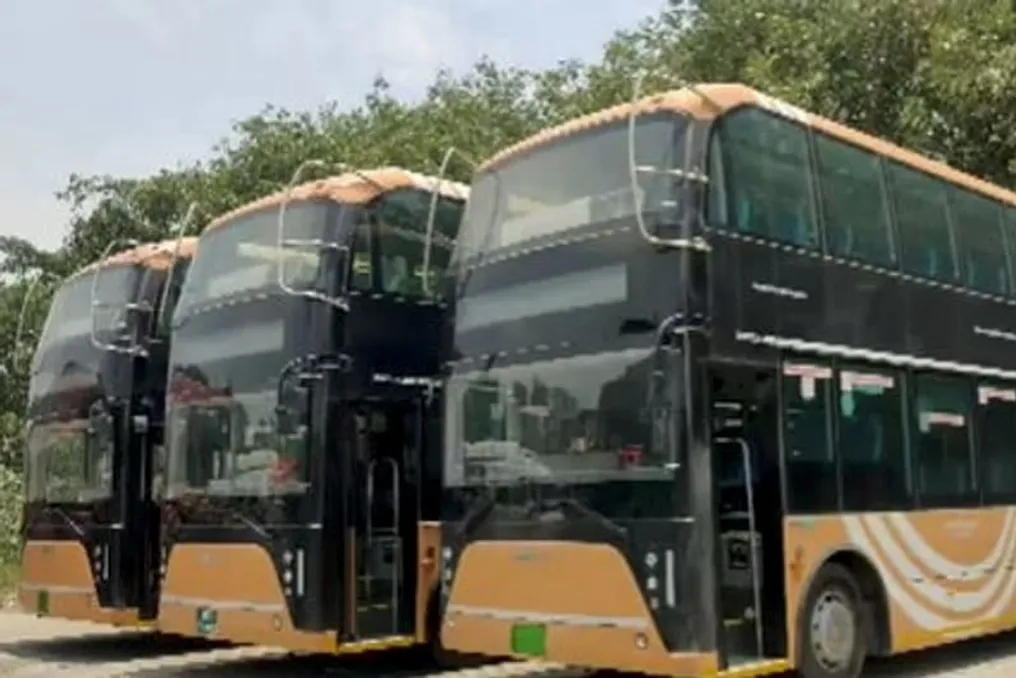
During the festival of Raksha Bandhan, residents of the state of Uttar Pradesh benefited significantly from the free bus travel organized by the state government. Between August 27 and 29, 88.94 million passengers traveled without payment. Among them were 55.17 million women, and 33.76 million companions also utilized the free ride.
This benefit was available daily from 6 am to midnight. According to the government, the number of people who used the free ride this time exceeded last year's record. The government spent 106.98 crore rupees over the three days of travel.
On the day of the festival, August 28, the buses experienced the highest occupancy. On this day, 49.96 million passengers used the free trip. Of these, 32.47 million were women, and 17.48 million were their companions. The number of users was significantly higher than on August 27, when 9.26 million people used the service, and peaked on August 28, after which the number of passengers on August 29 was 29.71 million.
During this period, a large number of women traveled to their hometowns to perform the Raksha Bandhan ritual.
Last year, during Raksha Bandhan, free travel was also provided for women in Uttar Pradesh. In 2025, 78.26 million passengers used this benefit over three days, with government expenditure amounting to 86.98 crore rupees. This year, the number of users increased to 88.94 million, which is 10.68 million more than the previous year.
According to transport department employees, staff, including drivers and conductors, worked continuously to implement this program. Furthermore, under this scheme, free travel was provided not only to women but also to their companions, who did not have to purchase tickets. Thanks to this, 33.76 million other passengers also traveled for free along with 55.17 million women.
The availability of the service from morning till evening over three days facilitated women's journeys home for the festival, especially on Raksha Bandhan. The statistics clearly show that the free travel service was used by a larger number of people this year compared to last year.