Marcus Aurelius's 'Meditations' remain one of the most influential books on resilience. As a Roman emperor who faced wars, political instability, personal losses, and immense responsibility, Aurelius developed a philosophy based on self-control, endurance, and inner peace. His reflections continue to inspire readers striving to maintain strength during difficult times.
One of the key ideas of Stoicism is that we cannot control everything that happens to us, but we can manage how we react. One quote states: 'You have power over your mind—not outside events. Realize this, and you will find strength.'
Another famous phrase from 'Meditations' asserts: 'The impediment to action advances action. What stands in the way becomes the way.' This thought teaches that difficulties are not merely barriers but opportunities for growth, as challenges often develop patience, skills, and strength.
Aurelius urges readers to analyze their perceptions, noting: 'If anything external upsets you, the pain is caused not by the thing itself, but by your judgment of it.' He emphasizes that our interpretation of events often determines the degree of suffering we experience.
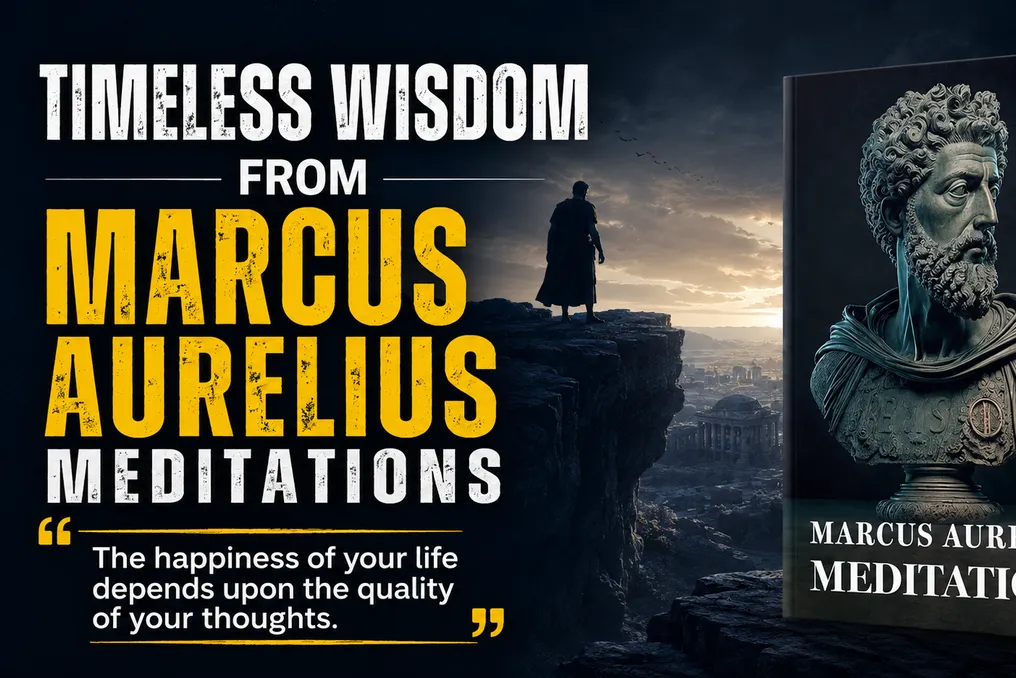
The importance of mental discipline is highlighted by the quote: 'The happiness of your life depends upon the quality of your thoughts.' A resilient person pays attention to what occupies their mind, as thoughts shape behavior, decisions, and emotions.
Aurelius's philosophy also includes accepting circumstances, stating: 'Accept what fate binds you to, and love the people fate brings to you.' In his view, resilience does not mean resisting reality; acceptance allows energy to be used more effectively.
In contrast to endless analysis, Aurelius advises: 'Do not waste more time arguing about what a good man should be. Be one.' This call to action over excessive deliberation is particularly relevant in complex periods.
The theme of gratitude is constant in 'Meditations.' Aurelius reminds us that even in difficult conditions, we should appreciate what remains good, suggesting: 'When you wake up in the morning, think of what a privilege it is to be alive, to think, to enjoy, to love.' Ultimately, the power of 'Meditations' lies in their practical wisdom, as they teach that true strength comes from developing character and self-control, not from avoiding hardship.