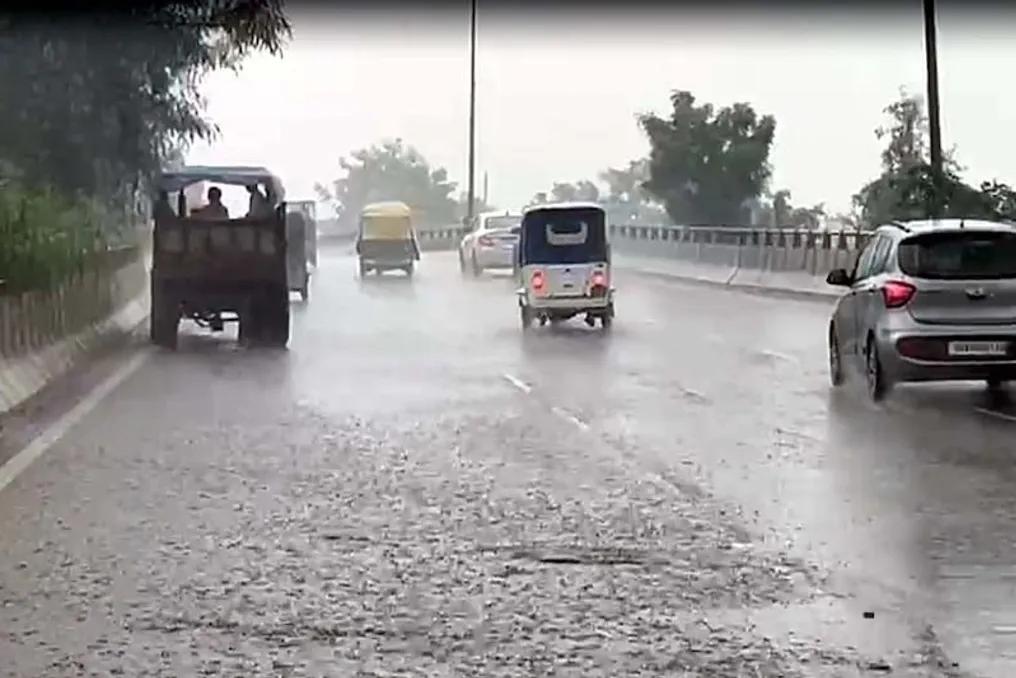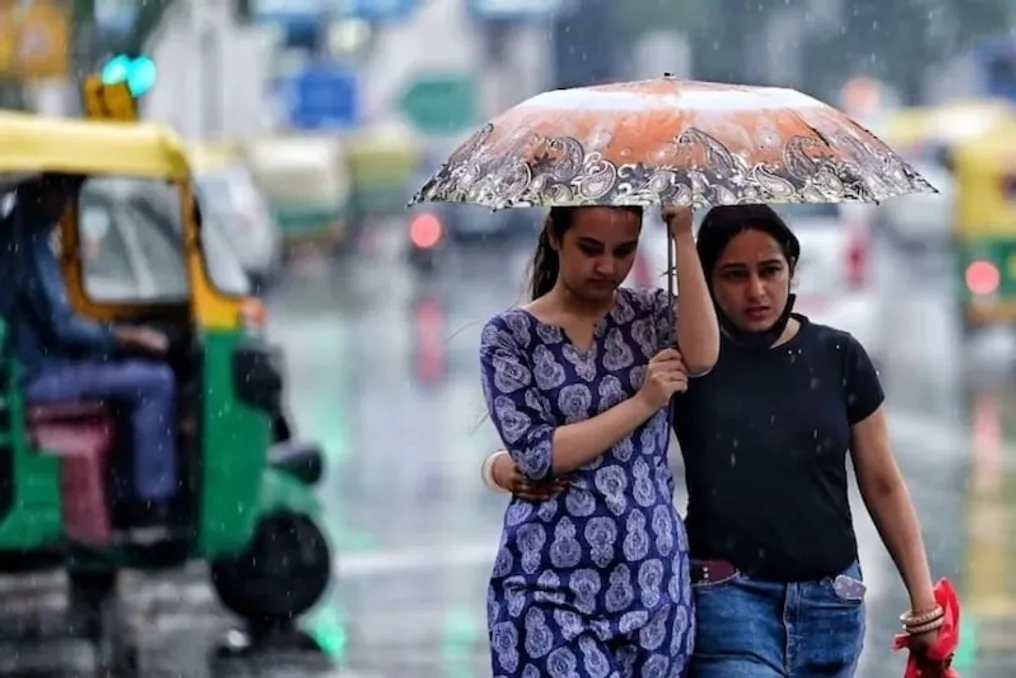
The India Meteorological Department (IMD) forecasts the resumption of monsoon activity in several regions of the country. On August 31, heavy rain was predicted in multiple states, with very heavy rainfall expected in parts of Odisha and Chhattisgarh.
Meanwhile, in Delhi and the National Capital Region (NCR), the weather on August 31 will be warm and relatively dry. The sky may be partially cloudy, with a maximum temperature ranging from 35 to 37 degrees Celsius. During this period, southwesterly winds may reach speeds of up to 25 kilometers per hour.
However, starting September 1, conditions for rain in Delhi will improve. According to IMD data, light or weak rain is possible in some areas, and thunderstorms and lightning are expected during the day and evening. Delhi residents should expect significant relief from the heat as early as September 2. Cloudy weather with light and scattered moderate rains accompanied by thunderstorms and lightning is forecast. Air temperature may drop to 32–34 degrees Celsius.
According to meteorological forecasts, very heavy rains may strike Uttarakhand and Arunachal Pradesh on August 31. A period of heavy and very heavy rains is expected in various parts of Eastern and North-Eastern India. IMD indicates that the monsoon may remain active in large parts of the country in the coming days, with rains continuing until September 5.
On August 31, extensive precipitation is expected in Odisha and Chhattisgarh, with very heavy downpours possible in some places. Heavy rains are also forecasted in Jharkhand and Bihar, with very heavy showers possible in some areas during the day.
The monsoon is predicted to remain active until September 5 in both North and South India, as well as in Central and North-Eastern India. Rains are possible at different times in Jammu and Kashmir, Ladakh, Himachal Pradesh, and Uttarakhand. Very heavy rain is expected in Uttarakhand until September 1. Strong rain is forecast in West Uttar Pradesh from August 31 to September 5. Local or scattered rain is expected in Haryana, Chandigarh, Delhi, Punjab, and West Uttar Pradesh.
In East Uttar Pradesh, the area of precipitation may increase from September 1 to September 5, with the possibility of heavy rains in some places.
Central India is expected to maintain humidity and rainfall throughout the week. Quite extensive rain is forecasted in Chhattisgarh, East Madhya Pradesh, and Vidarbha until September 5. Extensive rain is expected in West Madhya Pradesh from September 2 to September 5. Very heavy rains are possible in East Madhya Pradesh from September 1 to September 3, and in West Madhya Pradesh from September 3 to September 5. Very heavy rain is also forecasted in some places in Chhattisgarh on September 1.
Extensive precipitation is expected in West Bengal, Sub-Himalayan West Bengal, and Sikkim until September 5. Extensive rain is forecasted in Jharkhand and Odisha until September 1. In Bihar, rains may continue from August 31 to September 2. As for West India, extensive precipitation is expected in Konkan and Goa until September 5. Extensive rain is forecasted in Central Maharashtra on September 4. Local or scattered rain is expected in Gujarat, Marathwada, and Surat-Kachha throughout the week.
Rainfall activity is also expected to intensify in the North-Eastern states. Quite extensive rain is forecasted in Arunachal Pradesh, Assam, Meghalaya, as well as in Nagaland, Manipur, Mizoram, and Tripura. Heavy, and in some places very heavy, rains are expected in several places. The rainy period in these North-Eastern states may last until September 5.
High monsoon activity is also expected in South India. Extensive rain is forecasted in coastal Karnataka from August 31 to September 5. Extensive rain is expected in Kerala, Mahé, and Lakshadweep until September 3. Rains with thunderstorms, lightning, and strong gusty winds are possible in some areas.
IMD warned of a low to moderate risk of flash floods in some river basins and adjacent areas of Odisha, Chhattisgarh, Jharkhand, and Uttarakhand on the morning of August 31. Residents of areas expecting heavy rains are advised to monitor local weather alerts and follow official recommendations.