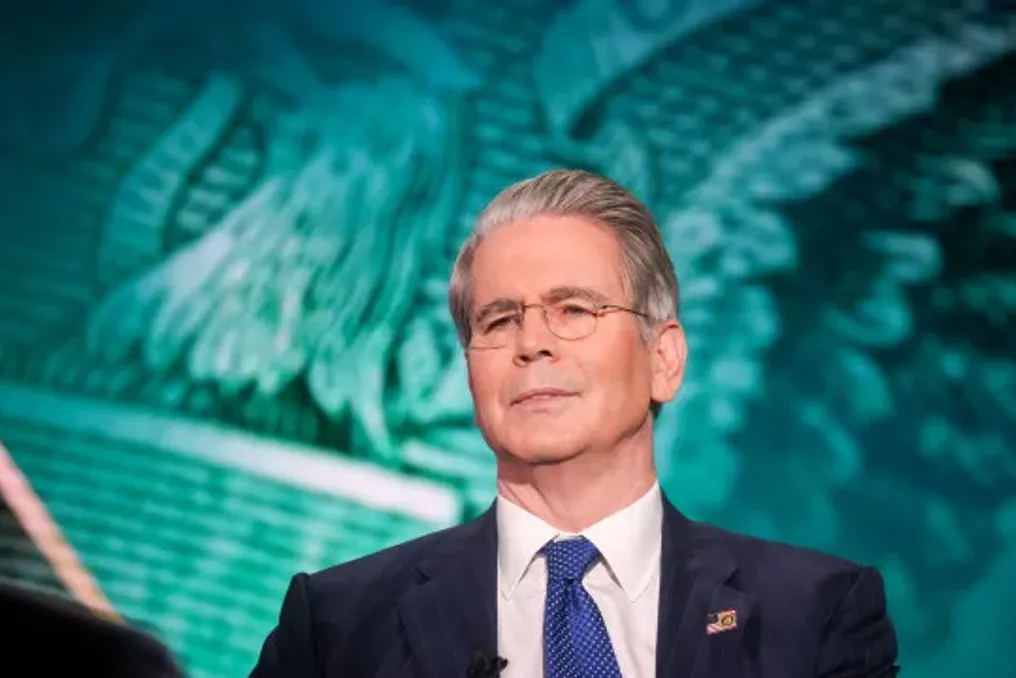
The United States plans to impose sanctions on another bank with the aim of blocking commercial transactions with the Iranian regime. These statements were made ahead of the G20 meeting in Asheville, North Carolina, an event where Scott Bessent will meet individually with leaders of major global economies and developing countries to foster Iran's economic isolation.
Bessent told the AP that, if necessary, this would constitute 'financial violence,' emphasizing that 'we are showing people who we are, they know who they are, and this has to stop,' although he did not reveal which banking institution would be targeted.
Last week, Scott Bessent detailed the 'Economic Pariah Operation' aimed at Iran, seeking to impose restrictions on all those who trade with the Tehran regime, whose economy is already under severe sanctions. On the same day, Bessent pressured nations maintaining trade relations with Iran to sever their financial ties or face American retaliation.
Donald Trump dubbed this new economic initiative against Iran the 'Economic D-Day.' The Treasury's first official action in this effort was a proposed regulation released on Friday, which, if approved, would prevent banks in the United Arab Emirates from accessing the US financial system through the Misr bank, Egypt's second-largest bank.
On Saturday, the Central Bank of the UAE began an inspection of the Egyptian public bank Misr's branches in the country. The central issue is the US allegation that the Misr branch in the UAE functions as a crucial financial hub for the Iranian government, as Washington claims it processed about $1.8 billion (approximately €1.5 billion at the current exchange rate) for 103 companies that may belong to parallel Iranian banking networks between January 2024 and June 2026.
In practice, this determination should prohibit the Misr branch from using the dollar in its daily operations. The Central Bank of Egypt reacted promptly, assuring that it was 'in contact with Americans regarding these measures.'
The confrontation between the United States and Iran marks six months without Washington succeeding in dismantling the Iranian nuclear program or forcing a regime change in Tehran. This conflict has resulted, among other impacts, in a global energy crisis, global consequences for the cost of living, an even more unstable Middle East, and a political dilemma with electoral relevance for President Donald Trump, who is running for control of the US Congress in the early November elections.
'Operation Epic Fury' began on February 28, when the United States and Israel launched a large-scale air offensive against military, nuclear facilities, and Iranian leaders, resulting in deaths, including that of Supreme Leader Ali Khamenei. In response to the Israeli and American offensive, the Tehran regime retaliated with attacks in the region and the blockade of the Strait of Hormuz.