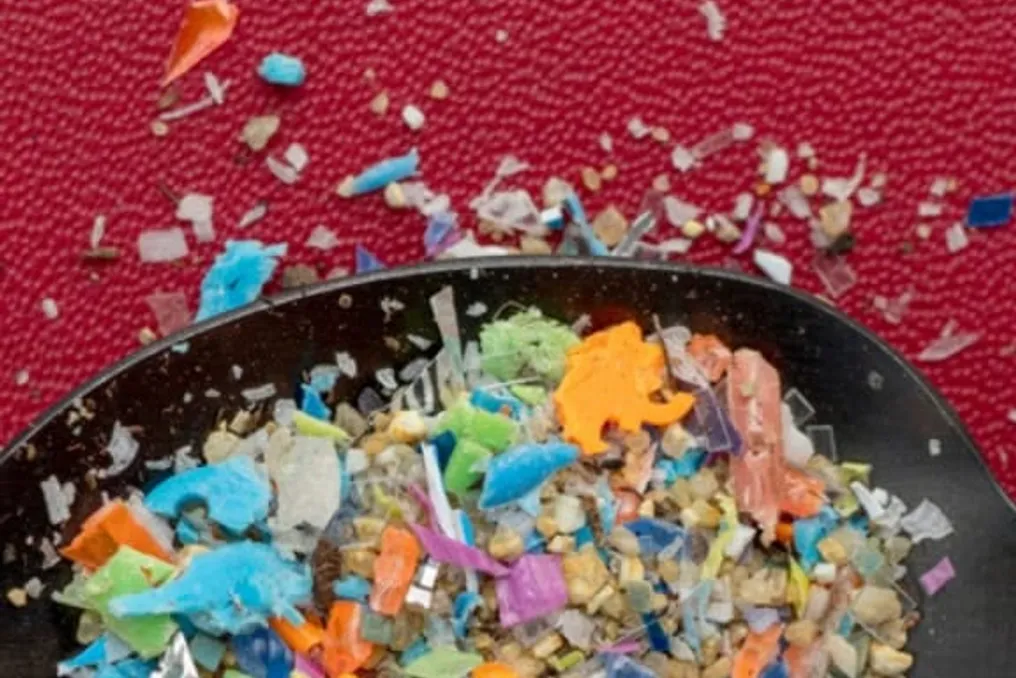
Disposable paper cups, used for consuming hot beverages such as coffee and tea, have the potential to release millions of plastic particles. This discovery was revealed by research conducted by scientists from the University of Queensland (UQ) in Australia, which investigated containers coated with polyethylene (PE) or polylactic acid (PLA).
Both coating types demonstrated particle release when exposed to hot water. However, the cups with PLA, which is classified as biodegradable, released approximately twelve times more particles by total mass compared to those coated with PE.
To understand this release process, researchers examined two models of disposable cups: one internally coated with polyethylene (PE) and another using polylactic acid (PLA), the latter serving as a biodegradable alternative to traditional plastic. Despite being called paper cups, these items usually have a thin internal plastic layer whose function is to prevent liquid from passing through the paper and to help maintain the cup's structure when in contact with fluids.
It was precisely this inner layer that became the focus of the study. When subjected to hot water, both PE and PLA released plastic particles, although the amount released varied significantly between the two materials.
Quantitative analysis showed notable differences: in the PLA cups, researchers detected about 4.3 million nanoparticles per milliliter. In the PE containers, the recorded number was approximately 2.7 million particles per milliliter. These nanoparticles are extremely tiny, having a thickness comparable to one-thousandth of the diameter of a human hair.
In a note, Dr. Elvis Okoffo, a researcher at the Queensland Alliance for Environmental Health Sciences (QAEHS) at the University of Queensland, clarified that the findings do not directly imply health risks caused by consuming these beverages. He stressed that the ultimate fate of these particles within the body is still unknown, stating that this does not mean people should abandon the use of paper cups or that PLA is inherently dangerous.
Recommendations for regulation
According to the researcher, it is essential that materials used in products that come into contact with food are also evaluated for the amount of particles they can release during daily use. The team advocates that consumers should receive clear information about the components of the coatings and that regulatory bodies should incorporate micro- and nanoplastic release tests into the safety assessment of products intended for hot drinks.
Okoffo emphasized that policymakers and regulators should consider including these tests in the safety assessment of materials that touch food, especially those designed for hot beverages.