Americans are expressing negative sentiment towards President Trump's trade wars, as most of the population opposes tariffs, linking them to increased costs. At the same time, public sentiment in Canada shows a willingness to accept economic difficulties in order to defend its position.
According to an analysis of over twenty surveys conducted this summer by Silver Bulletin, about 58.7% of Americans disapprove of Trump's approach to trade and tariffs. Only 34.5% support this policy, representing an increase in dissatisfaction of more than 18 percentage points since the start of his second term.
Concurrently, the administration is considering introducing new 7.5% tariffs on China due to overproduction issues ahead of the meeting between Trump and Chinese President Xi Jinping, scheduled for late September. Raymond James noted that such steps could provoke the next wave of tariff measures.
Managing Director Edward Mills emphasized that the US has not yet reached the peak in terms of tariffs, despite growing voter skepticism regarding product affordability and concerns about midterm elections.
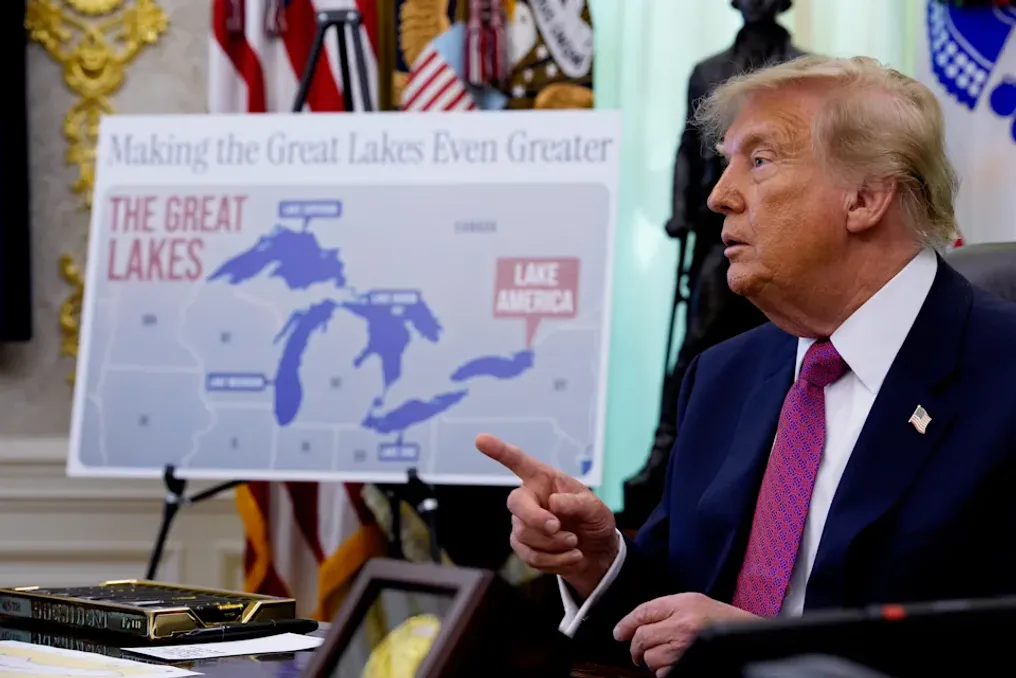
Trade tension between the US and Canada continues to escalate following directives regarding the renaming of Lake Ontario and discussions about completely halting trade in certain goods. A YouGov poll showed that 64% of Americans disapprove of the handling of tariffs, and 62% believe that tariffs negatively affect the cost of living.
In contrast, a survey by the Angus Reid Institute indicates that 76% of Canadians believe their government acted correctly by refusing negotiations. Prime Minister Mark Carney promised to continue the fight for as long as necessary, stating that Canadians were being attacked.
Pessimistic sentiment among Americans may intensify ahead of upcoming midterm elections. Border states such as Maine and Michigan face disproportionately strong impacts, while agricultural states, including Iowa and North Carolina, risk losing Canadian markets for their products.