India and Uzbekistan Expand Educational Cooperation
Read more
UzDaily
uzdaily.uz

India and Uzbekistan Expand Educational Cooperation

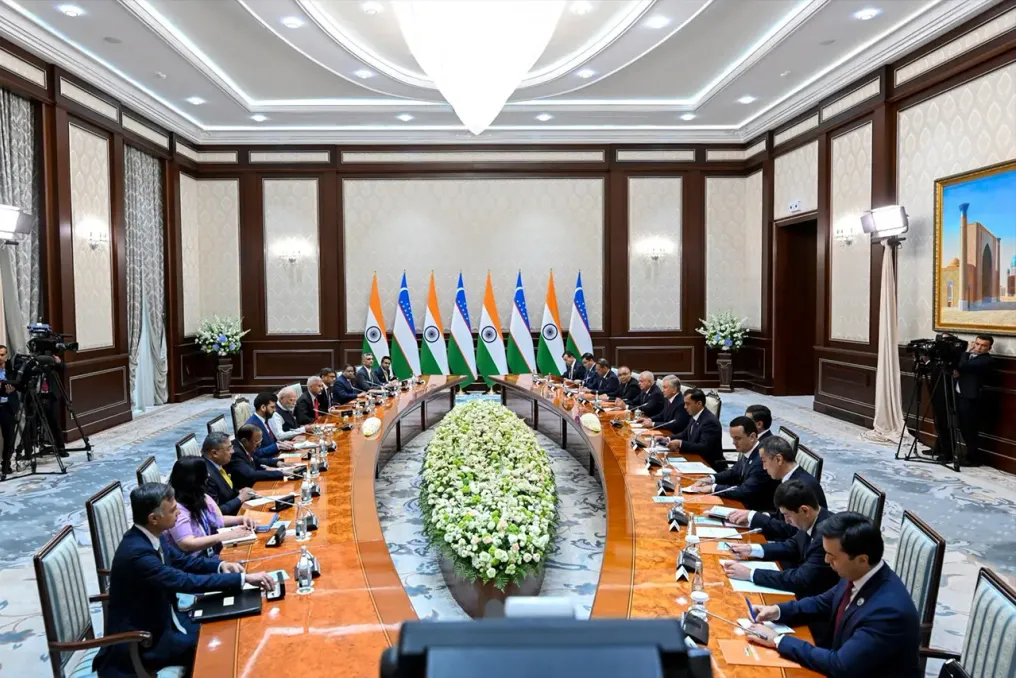
India and Uzbekistan have reached an agreement to enhance the level of educational interaction, which will include the exchange of teachers and students, joint scientific research, and university partnerships. This was announced by Sibi George, Secretary (West) of the Indian Ministry of External Affairs, during a press briefing following the visit of the Indian Prime Minister to Uzbekistan.

According to George, education is a significant component of bilateral partnership. Currently, about 16,000 Indian students are studying medicine in Uzbekistan, and four Indian universities have branches in the country. George noted that, with an existing base, they have now agreed to elevate cooperation to a higher level, implying the creation of partnerships between individual universities of the two countries.

The diplomat also mentioned that the Indian Prime Minister spoke about GIFT City—a special zone that India is opening for branches of foreign universities—and noted that this is viewed as another opportunity for educational cooperation.

Following the visit, the Indian Prime Minister announced the establishment of 100 Lal Bahadur Shastri scholarships for Uzbek students who have shown the best academic results in Hindi. This initiative is timed to the 60th anniversary of the death of the former Indian Prime Minister Lal Bahadur Shastri in Tashkent.

It was also announced that the Sanskrit department of the Indian Council for Cultural Relations (ICCR) will open at Tashkent State University of Oriental Studies. George explained that this measure will strengthen the long-standing academic and civilizational ties between the two states.

Speaking about opportunities for youth, the diplomat emphasized that the strategic development programs of both countries share common goals: Uzbekistan's program until 2030 and India's 'Developed India - 2047' program. He added that common objectives of economic progress create additional opportunities for cooperation and the emergence of new jobs for youth in both countries.

Similar stories

India and Uzbekistan Expand Cooperation in Agriculture
Read more
uzdaily.uz

India and Uzbekistan Expand Cooperation in Agriculture

India and Uzbekistan are strengthening their partnership in the agricultural sector, with a particular focus on seed production, drip irrigation technologies, and horticulture. This was announced by Sibi George, Secretary (West) of the Indian Ministry of External Affairs, during a press briefing following the visit of the Indian Prime Minister to Uzbekistan.

According to George, both countries are exploring opportunities for joint work in seed production, the development of drip irrigation technologies, and horticulture. Cooperation in these areas is being carried out between the Indian Council of Agricultural Research (ICAR) and the National Center for Knowledge and Innovation in Agriculture of Uzbekistan.

The diplomat emphasized that the Indian Minister of Agriculture was part of the Indian Prime Minister's delegation during the trip to Uzbekistan. According to a joint statement by the leaders of the two states after the negotiations, discussions on economic interaction also covered agriculture and food processing, alongside mineral resources, the textile industry, healthcare, and pharmaceuticals.

These areas were identified as priorities for increasing bilateral trade, with both sides setting a goal to reach a volume of 5 billion US dollars by 2030.

Uzbekistan and Pakistan Expand Cooperation in Artificial Intelligence and Digital Technologies
Read more
uzdaily.uz

Uzbekistan and Pakistan Expand Cooperation in Artificial Intelligence and Digital Technologies

The Ministry of Digital Technologies of Uzbekistan reported that Uzbekistan and Pakistan discussed expanding cooperation in the fields of digital technologies, artificial intelligence, IT service exports, startups, and investments.

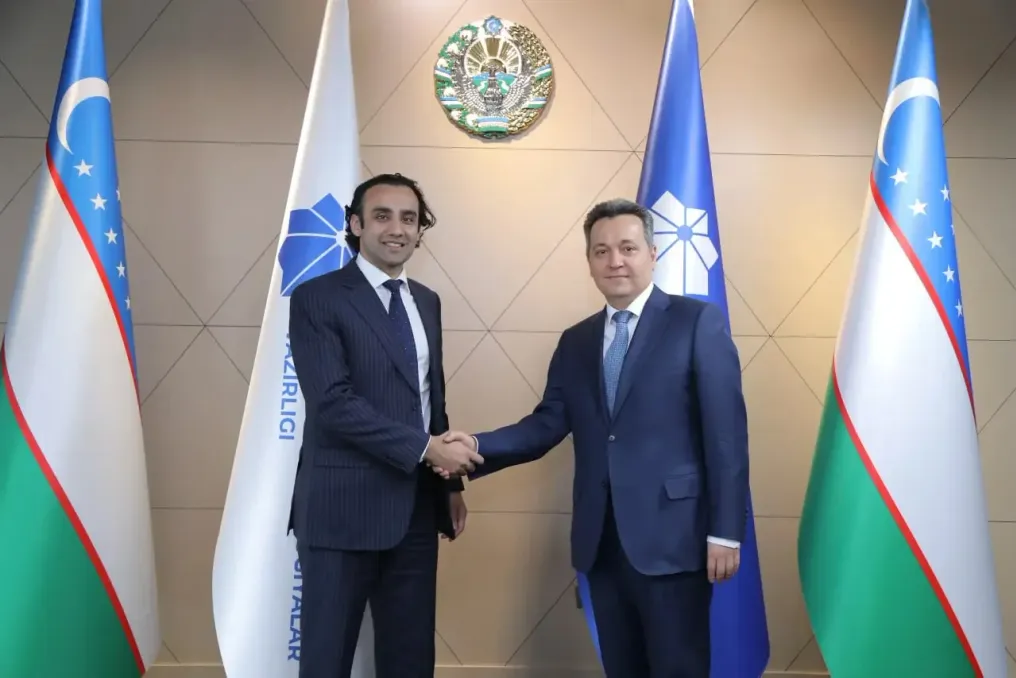
The discussions took place during a meeting between the Minister of Digital Technologies of Uzbekistan, Sherzod Shermatov, and the State Minister of Pakistan, Bilal Bin Sakib. One of the key issues of the negotiations was Pakistan's potential role in the digital economy, with a special focus on the effective utilization of the country's human capital, including IT specialists, freelancers, and technology companies.

Representatives from both countries examined prospects for joint work in the areas of artificial intelligence and data centers. Furthermore, the sides separately considered projects in green energy, including initiatives related to the development of digital infrastructure.

The importance of developing freelancer potential was emphasized. The parties noted the need to transition from a model where specialists primarily act as service providers to creating conditions for them to launch their own startups, digital products, and companies.

In this regard, Uzbekistan and Pakistan discussed harmonizing startup ecosystems in both countries, stimulating interaction between venture funds and technology entrepreneurs, and creating joint digital products. Promising areas identified included technological solutions for agriculture, medicine, and education that could be presented in the international markets of both nations.

Particular attention was paid to attracting Pakistani IT companies to Uzbekistan. The sides considered the possibility of creating operational conditions for such companies in the country and promoting Uzbekistan as a platform for entering the Central Asian and CIS markets.

Representatives also discussed opportunities under the 'Zero Risk' program, which aims to attract IT companies, including to regions of Uzbekistan. Under this program, companies can be provided with office space for a certain period, necessary equipment, employee training, reimbursement of costs for obtaining certain international IT certifications, and tax incentives.

Expanding mutual export of IT services was another area of negotiation. The sides stressed the importance of creating conditions for Pakistani specialists to participate in projects in Uzbekistan, exchange experience with local specialists, and jointly enter third-country markets.

After the negotiations, the Pakistani delegation visited the IT Park of Uzbekistan, where representatives of the organization spoke about support for foreign and domestic technology companies, the development of the IT industry, the increase in IT service exports, and the formation of a startup ecosystem.

During the visit, the delegation toured UZINFOCOM, where guests were shown the company's experience in implementing large digital projects, digitizing public services, as well as developing and implementing modern information systems and digital platforms. Additionally, Uzbek representatives presented information on the implementation of digital technologies in public administration and the provision of public services, integration of information systems, and the development of digital infrastructure.

Uzbekistan and China Expand Cooperation in Textile Industry
Read more
uzdaily.uz

Uzbekistan and China Expand Cooperation in Textile Industry

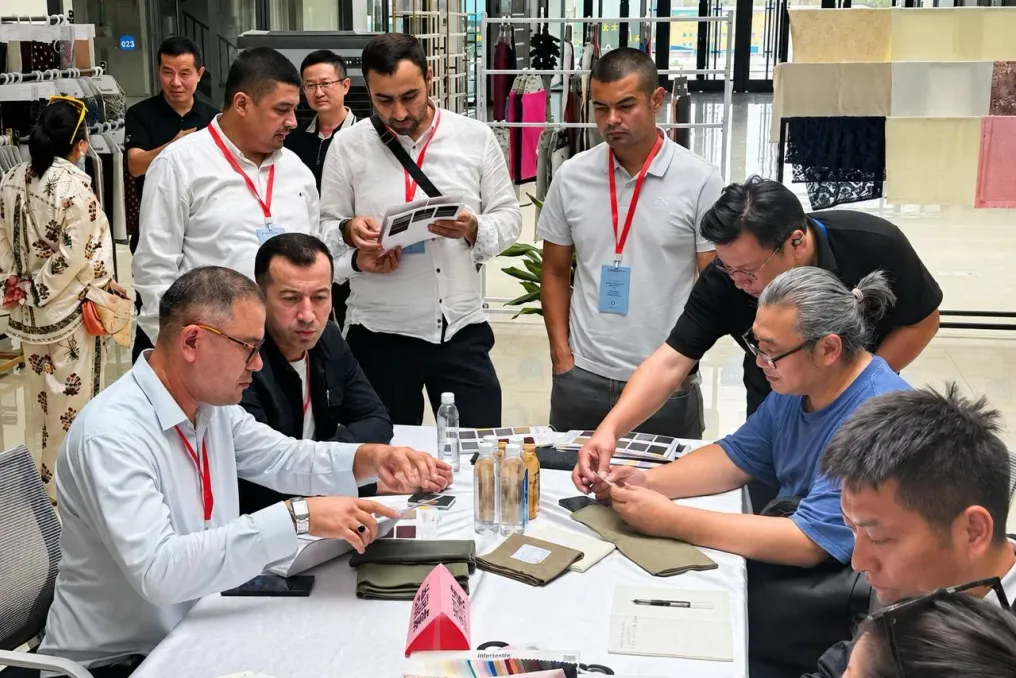
Uzbekistan and China have reached an agreement to expand their interaction in the textile industry. This cooperation will cover raw material supplies, technology implementation, investments, and the creation of joint production facilities.

Discussions took place in the city of Aral, Xinjiang, China, during the Xinjiang-Aral Textile Raw Material Summit and the 20th Cotton and Textile Industry Forum. This was reported by the Uztextileprom Association of Uzbekistan.

The events attracted about 300 industry representatives, including a delegation from Uzbekistan's textile industry, representatives of Uzbek enterprises and industry associations, as well as leading Chinese companies.

Participants discussed the current state and prospects of the cotton and textile industries, changes in the raw material market, investment opportunities, and the development of production chains. Special attention was paid to increasing access to new foreign markets.

During bilateral business meetings, Uzbek firms discussed supplying synthetic and chemical fibers to their Chinese counterparts, such as polyester, viscose, and lyocell. The parties also considered the possibility of jointly producing blended fabrics, implementing dyeing and finishing technologies, automating production processes, and realizing joint investment projects.

Chinese companies, in turn, expressed interest in establishing production sites and placing orders with enterprises in Uzbekistan. The creation of joint production facilities focused on the markets of Central Asia, the Commonwealth of Independent States, and the European Union was also discussed.

Chinese partners view Uzbekistan as a regional center for production and trade. The statement did not specify the volume of investments or the parameters of potential projects.

Another area of cooperation will be training and professional development for specialists in creative professions. Uztextileprom and Chinese industry partners agreed on joint work to improve the qualifications of local designers and fashion designers.

Following the meetings, the parties identified additional areas for cooperation concerning exports, industrial partnership, technology, and investment. These agreements are expected to strengthen cooperation between Uzbekistan and China in the textile industry and increase the export potential of Uzbek enterprises.

Popular