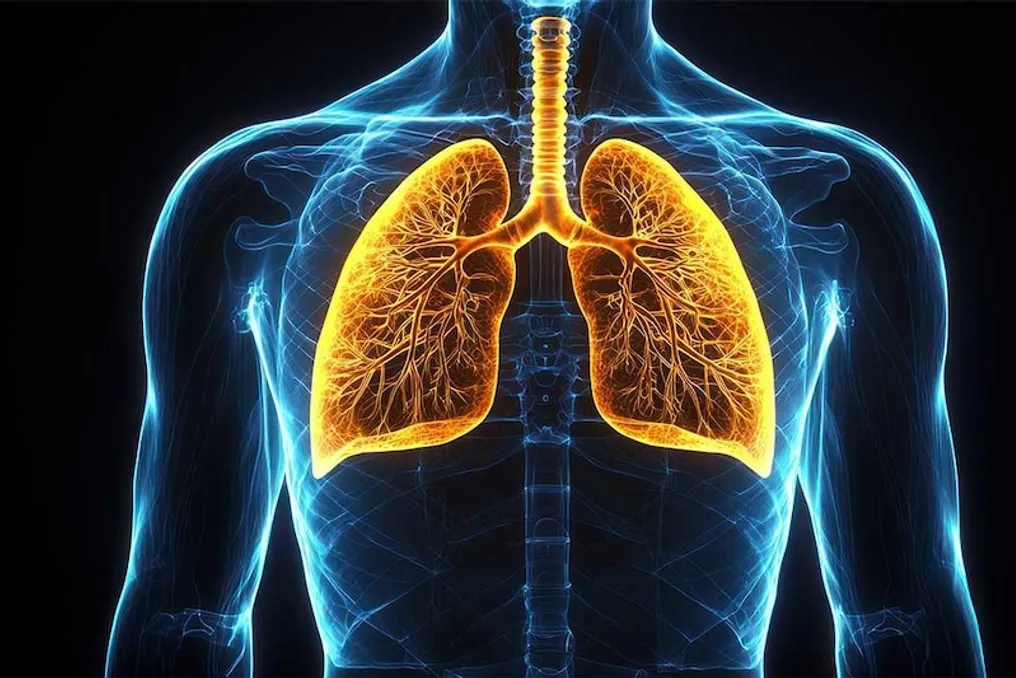
An increase in swine flu cases has been observed in several regions of the country, and cases of Influenza A are also being recorded in hospitals. Patients are seeking care at outpatient clinics, and some require hospitalization. However, doctors emphasize that there is currently no basis for panic. Nevertheless, complacency should not be shown, as influenza infection can lead to serious complications such as pneumonia.
Dr. Satish Kaul, Director of the Internal Medicine Department at Fortis Hospital in Gurugram, explains that the influenza virus is constantly changing. Small changes are called antigenic drift and can occur annually or every two years, causing the flu to manifest differently in various seasons. Furthermore, major changes, known as antigenic shift, are possible. This shift is more significant than typical drift, and if a new strain spreads easily among the population, it could trigger a large-scale epidemic similar to those in history.
According to Dr. Kaul, the change in antigens on the surface of the virus prevents the human immune system from recognizing it as effectively as before. This is why the flu can spread again in different seasons.
Due to these changes in the influenza virus, vaccine composition is also regularly updated. This means that vaccination does not provide lifelong protection. The vaccine is adjusted based on potential strains that may circulate during the season.
Most people recover from the flu, which presents with symptoms such as fever, cough, sore throat, body aches, and fatigue. However, the body's reaction to the illness is individual. In some cases, the infection can reach the lungs and cause pneumonia. This is more common in those who ignore treatment when flu symptoms appear, or in people suffering from chronic lung diseases. Therefore, it is crucial not to ignore signs such as shortness of breath, persistent high fever, or worsening general condition.
Dr. Kaul notes that there is a flu vaccine available for people in high-risk groups. The advantage of vaccination is reducing the likelihood of severe illness and associated complications if infected.