Risks after temperature drop during dengue fever and symptoms that should not be ignored
Read more
Aaj Tak
www.aajtak.in

Risks after temperature drop during dengue fever and symptoms that should not be ignored

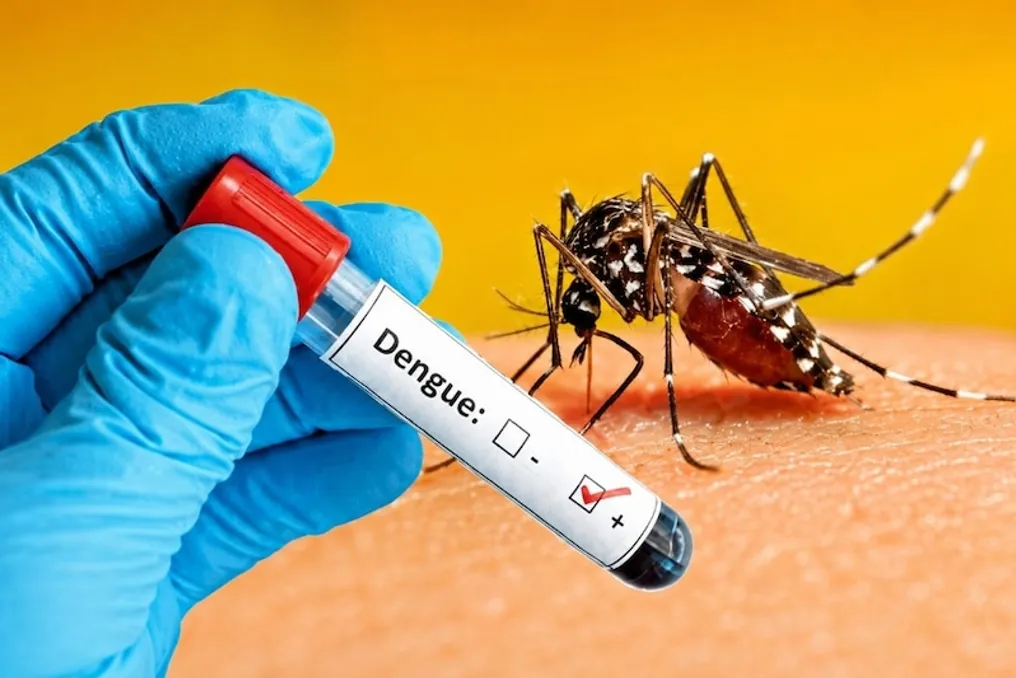
During the rainy season, there is an increase in dengue cases in some regions of the country. Although most people recover from dengue fever within a few days, some cases can be severe. Doctors warn that the danger may persist even after the temperature drops, so it is necessary to constantly monitor one's health to prevent deterioration.

According to doctors, patients and their families must understand that a drop in temperature does not always mean complete recovery. Sometimes, the patient's condition can begin to worsen precisely during the period of falling temperature. This usually happens between the third and seventh day of illness. At this point, due to fluid loss, blood pressure may decrease, which can lead to a serious condition in some patients.

Dr. Vijay Arora, Director of Internal Medicine at Yashoda Medicity Hospital, notes that if a patient with a positive dengue test starts to have a dropping temperature, it is extremely important to continue monitoring one's health. Special attention must be paid to several signs. If a person experiences severe abdominal pain, frequent vomiting, nose or gum bleeding, blood in vomit or stool, severe weakness or restlessness, difficulty breathing, or decreased urination, they should not wait at home. In such cases, it is better to seek immediate hospital care.

Dr. Vijay also points out the common anxiety regarding platelet levels. The severity of dengue is determined not only by the number of platelets; the patient's blood pressure, kidney function, results of other blood tests, and overall condition must be assessed. Special caution should be exercised for one to two days after the temperature drops. Regarding platelets, their count should exceed 40-50 thousand; if it is lower, platelet transfusion may be required.

Similar stories

West Nile Virus causes severe cases and deaths in Brazil; specialists warn about risks
Read more
super.abril.com.br

West Nile Virus causes severe cases and deaths in Brazil; specialists warn about risks

A professor of Internal Medicine and Laboratory Medicine at the Federal University of São Paulo (UNIFESP) detailed crucial information about the virus circulating in the country, which resulted in a fatality.

Last Monday, August 24th, the State Health Secretariat of São Paulo confirmed the first two human cases of West Nile fever. A 34-year-old woman residing in Ribeirão Preto has recovered, while an 18-year-old young woman from São José do Rio Preto remains hospitalized. Although the first patient recently traveled to the Amazon, the probable origin of the infection in both cases is still under investigation, and health authorities have not disclosed the specific symptoms presented.

On the same day, Santa Catarina reported the death of a 77-year-old woman from Imbituba, on the state's coast, which occurred on August 8th after developing a fever and a severe neurological condition, having been infected by the West Nile virus. Santa Catarina also registered a second case, in a 56-year-old man from Caçador, who presented with neurological manifestations, was hospitalized, and subsequently released.

With the two records from São Paulo and the two from Santa Catarina, Brazil accounts for four confirmed cases in 2026, including one death, in addition to one probable case in Piauí. The West Nile virus (WNV), scientifically named Orthoflavivirus nilense, is not new to the national territory, having circulated in Brazil for almost two decades.

The virus, which originates from wild birds and is primarily transmitted by mosquitoes of the Culex genus, is not expected to turn into an epidemic like dengue, despite popular fears. Most infected people, about 80%, show no symptoms. In the other 20%, fever, headache, muscle aches, and skin rashes may appear, a condition easily confused with dengue.

The severe form, which affects less than 1% of infected individuals (approximately one in every 150), causes damage to the nervous system, potentially causing meningitis, encephalitis, or paralysis similar to polio. In these cases, the risk of death is about one in ten, doubling after the age of 70. Currently, there is no human vaccine or specific medication for the virus; treatment is only supportive.

Science indicates that the outcome of the infection depends on an initial battle: if interferons, the body's first line of defense, manage to contain the virus in the first hours, the person may not notice the illness. Failures in this defense allow the virus to reach the brain. Some of these failures are linked to genetic variants that prevent defense cells from accessing the brain, and others, surprisingly, occur when about 40% of individuals with severe forms have antibodies that attack their own interferons, sabotaging the body's defense.

Age is a relevant factor, as these self-sabotaging antibodies are found in less than 1% of people under 65 and in about 5% of those over 70, explaining much of the so-called 'age risk'. Unlike dengue, which has a closed urban cycle with the Aedes aegypti mosquito, West Nile depends on infected birds to persist; humans are considered accidental or terminal hosts because the viral load in the blood is insufficient to infect the next mosquito, and the virus circulates in human blood for only one to three days.

Although the virus has been circulating for a long time, recent studies reveal that many cases go unnoticed or are undiagnosed. A previous study analyzed 561 patients in Ceará with unexplained fever or neurological problems, identifying 68 cases of West Nile fever, representing 12% of the total, even though the state had not registered official confirmations until July of this year. Genetic analysis of this same study demonstrated that the microorganism has been present in Brazil since late 2007.

Furthermore, the aging of the Brazilian population, with a 57% increase in the group aged 65 or older between 2010 and 2022, is progressively increasing the population most vulnerable to the disease. Combating the vector, the Culex mosquito, requires more than sporadic campaigns; it requires basic sanitation, since this mosquito reproduces in water with high organic matter, such as sewage and ditches, and bites predominantly at night.

It is recommended to use repellents at dusk and dawn, screens on openings, and clothing that covers arms and legs near areas with stagnant water. People over 60, transplant recipients, or those undergoing immunosuppressive treatment should exercise extra caution and seek immediate medical attention if they present with fever accompanied by mental confusion, neck stiffness, or leg weakness.
West Nile Fever: causes, transmission, and confirmed cases in Brazil
Read more
olhardigital.com.br

West Nile Fever: causes, transmission, and confirmed cases in Brazil

Brazil has registered new cases of West Nile Fever, with confirmations in São Paulo and Santa Catarina. In São Paulo, two human cases were confirmed, while Santa Catarina recorded two, including one death. With these diagnoses, the country totals four confirmed cases in 2026, in addition to one probable case identified in Piauí, according to data from the Ministry of Health.

A worrying aspect of the disease is that approximately 80% of infected people do not show any symptoms, which complicates the identification of areas of viral circulation and reinforces the need for rigorous monitoring of mosquitoes and animals.

How the virus is transmitted

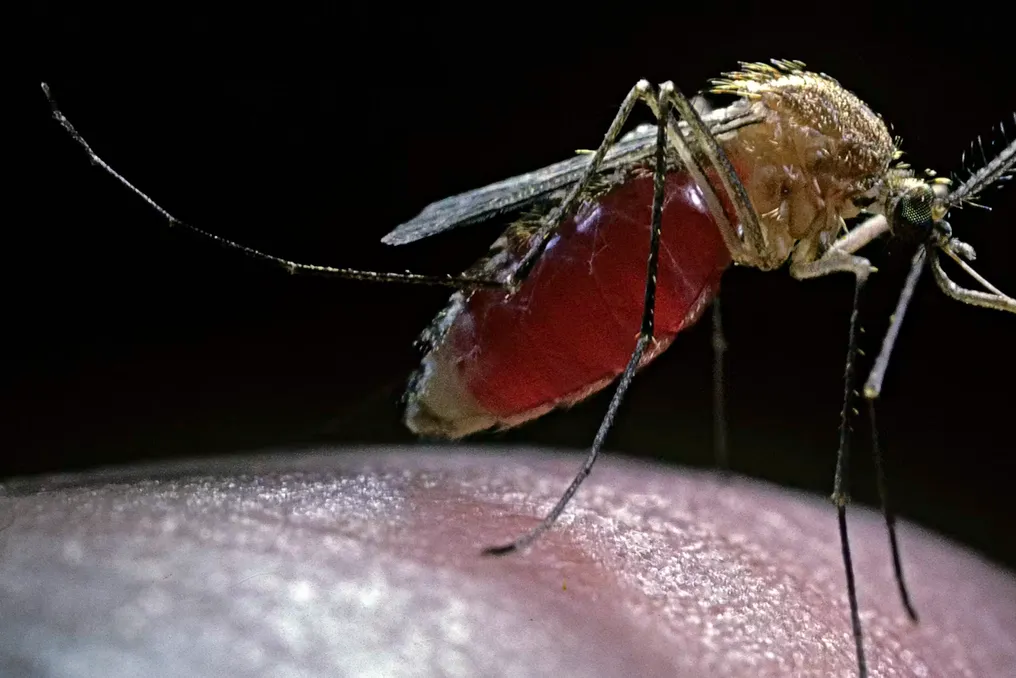
The transmission of the West Nile virus occurs mainly through mosquitoes belonging to the genus Culex, popularly known as biting flies or gnats. The virus's life cycle is closely linked to birds. Mosquitoes acquire the pathogen by biting these birds and can subsequently transmit it to other birds.

Humans and horses are infected accidentally. In the human case, the viral concentration in the blood does not reach sufficient levels to contaminate new mosquitoes. The cycle is established when infected birds contaminate Culex mosquitoes, which in turn infect more birds; humans and equines are affected incidentally.

In São Paulo, a 34-year-old resident of Ribeirão Preto recovered after reporting a recent trip to the Amazon. The second patient, 18 years old and a resident of São José do Rio Preto, remains hospitalized. The site of infection for these two patients has not yet been determined, although the first patient's trip is being investigated, without proving that the transmission occurred during the travel. For the second case, there is no record of similar exposure outside the state.

Carla Kobayashi, an infectious disease specialist at Sírio-Libanês Hospital in São Paulo, warned that it is essential to obtain evidence of circulation between animals and mosquitoes before stating that the virus is active in São Paulo or Santa Catarina.

Situation in Santa Catarina

In Santa Catarina, a 77-year-old woman from Imbituba died on August 8th. A 56-year-old man from Caçador was diagnosed and discharged. The probable sites of contagion in these occurrences are still under investigation.

When symptoms appear, they can include fever, headache, general malaise, body aches, nausea, vomiting, and skin rashes. It is important to note that this clinical picture can be confused with diseases such as dengue, zika, and chikungunya.

In more severe situations, the infection can affect the central nervous system, resulting in encephalitis, meningitis, confusion, seizures, muscle weakness, and flaccid paralysis.

Luana Araújo, an infectious disease specialist, epidemiologist, and president of the One Health Scientific Committee of the Brazilian Society of Infectology (SBI), emphasized that the low rate of symptoms (80% asymptomatic) decreases surveillance sensitivity, making reliance on animal and entomological surveillance crucial for understanding viral circulation.

The virus belongs to the same group as dengue, zika, and yellow fever, which can lead to cross-reactions in certain antibody tests, complicating the analysis of results. Therefore, depending on the phase of the disease and initial exams, other tests may be necessary to confirm the infection. The complete investigation must cover mosquitoes, birds, and horses to help locate viral circulation and human case hotspots.

Differences Between Malaria and Dengue Fever: How to Distinguish Symptoms
Read more
www.aajtak.in

Differences Between Malaria and Dengue Fever: How to Distinguish Symptoms

August is almost over, and in the coming months, an increase in cases of dengue and malaria is expected in various regions of the country. Both diseases are transmitted through mosquito bites and are accompanied by fever, but their symptoms differ. Experts have clarified what the difference between these diseases is.

Dr. L. H. Goteker, Medical Superintendent at Lady Harding Medical College in Delhi, noted that malaria and dengue are tropical diseases transmitted by mosquitoes that cause high temperatures. Nevertheless, their causes, mosquito types, symptoms, and treatment methods differ.

Malaria is an infection caused by a parasite and is transmitted by mosquitoes of the Anopheles genus, which are active at night. Dengue, on the other hand, is a viral infection transmitted by mosquitoes of the Aedes aegypti genus, which are active during the day.

Malaria is caused by the parasite Plasmodium. It spreads through female Anopheles mosquitoes, which are active from evening until morning. Dengue, however, is caused by the dengue virus (Flavivirus) and is transmitted by Aedes aegypti mosquitoes, which are active during the daytime.

When comparing fever patterns, in malaria, the temperature rises sharply and periodically, accompanied by severe chills and profuse sweating. In the case of dengue, sudden and continuous high temperature is observed, without a clear cycle of chills.

Characteristic symptoms include: mild weakness and fatigue in malaria, whereas dengue is marked by very severe muscle and joint pain, leading to this condition being called 'breakbone fever'. Additionally, severe pain behind the eyes often occurs with dengue.

A rash is often observed in dengue, appearing several days after the onset of fever. There is a risk of rapid decrease in platelet levels, which in severe cases can lead to bleeding from the gums or nose. In malaria, rashes and bleeding occur much less frequently. Instead, the disease affects red blood cells, which can cause anemia or jaundice.

Malaria diagnosis is performed using microscopic analysis of a blood smear or rapid tests. Treatment includes special antimalarial drugs, such as artemisinin-based combination therapy. For dengue diagnosis, blood tests for NS1 antigen or antibodies are used. There are no specific antiviral drugs for dengue, and treatment is prescribed based on symptoms.

Popular