Indigenous community in Rachi protests redistribution of electoral constituencies; political situation heats up due to church letter
Read more
Aaj Tak
www.aajtak.in

Indigenous community in Rachi protests redistribution of electoral constituencies; political situation heats up due to church letter

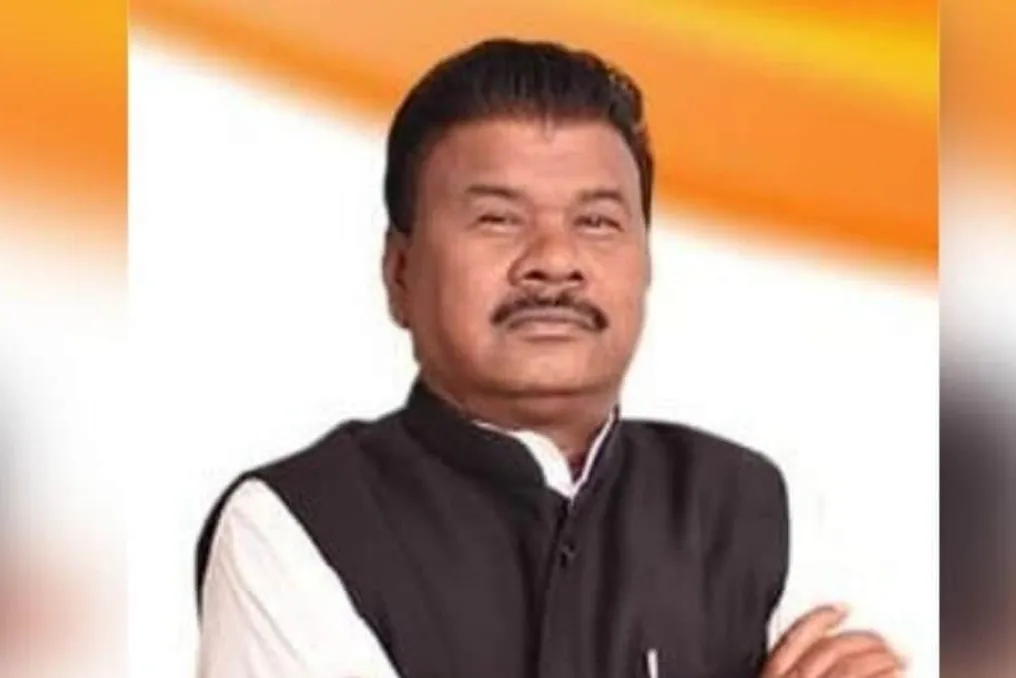
The issue of redistributing electoral constituencies (crossing boundaries) is becoming public in Haryana. A mass indigenous unity rally is planned for August 30th in Morahabadi, Rachi. Former Congress minister and indigenous leader Bandhu Tirkey is actively involved in organizing this rally, where the impact of redistribution on the political representation of the indigenous community will be raised.

Prior to the rally, a letter from the Catholic Church emerged, lending a new political dimension to this issue. The letter contains a call for members of the Christian community to join the rally. At the same time, the Bharatiya Janata Party (BJP) criticized the event, directing accusations towards the Congress and leaders associated with the rally.

Rally organizers assert that if seat allocation is carried out using new population-based methods in the future, it could affect the political representation of the indigenous community. Particular concern is focused on the status of Lok Sabha and Vidhan Sabha seats reserved for indigenous peoples.

They believe that changing electoral boundaries could alter the current political landscape in predominantly indigenous areas. It is precisely because of these concerns that the demand is being put forward not to reduce the share of reserved seats. Furthermore, the rally will address issues such as indigenous identity, land rights, proper application of Chota Nagpur Tenancy (CNT) and Santhal Pargana Tenancy (SPT) laws, and a demand for the creation of a separate Sarna religious code.

Among the key figures at this rally is Bandhu Tirkey. He has long raised issues concerning the interests and political rights of indigenous people in Haryana. His concern regarding redistribution is that the reorganization of electoral constituencies may affect the political representation of areas with a large indigenous population. Consequently, efforts are underway to unite various indigenous groups under one platform.

The mass gathering in Morahabadi is viewed as the strength of this campaign. Speeches on stage will also demonstrate how serious a problem redistribution will become in Haryana politics in the near future.

Before the rally, a letter appeared from the Catholic Church, calling on members of the Christian community to participate in the mass assembly. However, the BJP questioned this letter. The party stated that when the main theme of the rally is the redistribution and political rights of indigenous people, why are they separately appealing to the Christian community. The BJP's main speaker, Pratul Saxdev, accused them of attempting to politically unite the Christian community under the guise of indigenous unity. He noted that the church's appeal cast doubt on the political intentions of the rally.

Redistribution directly implies establishing the boundaries of the Lok Sabha and Vidhan Sabha on a new basis. In this process, population size and constitutional provisions are taken into account when determining territories for seats. Indigenous organizations in Haryana express fears that if this process occurs in the future, the political balance in predominantly indigenous areas could change. They fear this might also affect reserved seats and indigenous representation. Therefore, the August 30th rally is considered important, as it will be an attempt to convey to the central government the idea that political representation of the indigenous community should not be ignored during the redistribution process.
Similar stories

Bajang Dal protests requirement to fill out forms before visiting church in Maharashtra
Read more
www.aajtak.in

Bajang Dal protests requirement to fill out forms before visiting church in Maharashtra

A dispute has arisen in Maharashtra because some churches require new visitors to fill out self-declaration forms before attending services. This step comes against the backdrop of a new law taking effect on August 28th, which prohibits forced religious conversion. The aim of this legislation is to prevent cases of faith change achieved through force, deception, temptation, or other prohibited methods.

Following the introduction of the law, the impact of this process has become noticeable in Mumbai and surrounding areas, including Vasai, Virar, and Mira-Bhayandar. In some churches, these new visitors are asked to complete a self-declaration form containing their name, photograph, and certain necessary documents. It should be noted that this form is not an official government document but was prepared by the churches themselves.

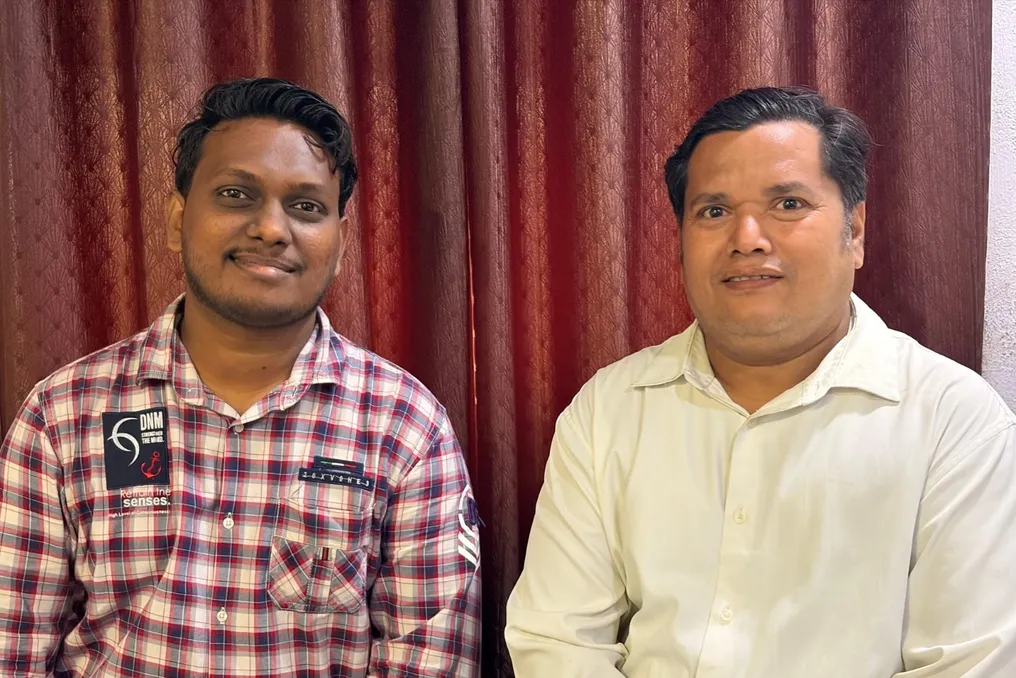
However, this approach has sparked protests from Bajang Dal. According to Pastor Sam Matai, Secretary of the Church of Christ in the Palghar district, this form was developed jointly by priests, community representatives, and lawyers. They argue that churches are often accused of converting people to another faith by offering them money or other benefits. Therefore, the form is used to record the fact that a person attended the prayer service voluntarily.

Matai reported that in Palghar, their organization is associated with approximately 300 churches, many of which are located in tribal areas. He insists that no pressure is exerted during services, and people attend due to their own faith. Furthermore, the President of the Maharashtra Christian Development Association, Pastor Devdan Tribhuvan, has also begun using this self-declaration system. He noted that disputes previously occurred at prayer meetings, and he blamed Bajang Dal activists for disturbances and vandalism during services. It was after these incidents that this form was created.

The Konkan regional coordinator of Bajang Dal, Gautam Kanji Rawdia, questioned the legality of this form. He argued that similar forms are not required when visiting temples or mosques. Rawdia asked who gave churches the right to distribute such blanks. He alleged that poor Hindus and indigenous people are being pressured into changing religions under the false pretext of benefits. At the same time, he stated that the new law will help stop such cases and refuted accusations that the police were patronizing him. He added that six petitions have been registered against him, and 12 against his colleague.

Some people who attend church claim they come voluntarily. Vishal Dhage, 31, said that he changed his religion about eight years ago, and positive changes followed in his life. Kashinat Naik, 46, shared that his family converted to Christianity about 20 years ago, and they wish to follow their faith without any conflict.

Thus, the self-declaration system launched in churches after the enactment of the new law is currently at the center of controversy. Churches present it as a security measure and an attempt at internal record-keeping, while Bajang Dal questions its legal necessity. It remains to be seen how the administration will view these private forms within the framework of the new legislation.

Popular