In various parts of the world, there are diverse traditions for commemorating ancestors and the deceased. Some people visit the graves of their departed relatives, while others celebrate special holidays to honor the memory of those who have passed. However, there is a festival where it is believed that the gates of the underworld open for one month, and wandering souls return to the human world.
This festival is known as the Hungry Ghost Festival. Although its origins trace back to China, today it is celebrated among Chinese communities in many parts of Asia and around the world. There is a belief that during this period, the souls of the dead return to earth. To appease and satisfy them, people offer food, incense, and other items.
The Hungry Ghost Festival represents a special way of showing respect to deceased ancestors and wandering spirits. Participants in this festival believe that during this time, souls come to earth, which may be hungry or troubled and seeking peace.
For this reason, people leave food offerings for these spirits, including fruits, meat, sweets, and other treats. Incense is also lit in many places.
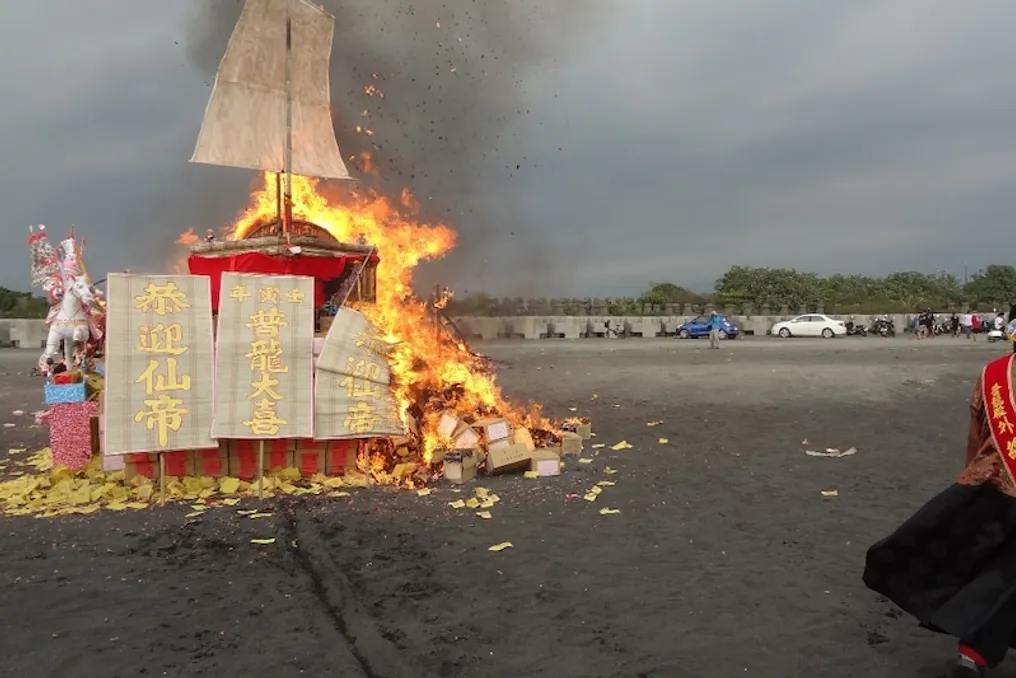
One of the unique traditions of this festival is the burning of paper items. People burn paper currency and models of expensive things, such as cars and televisions. It is believed that this allows these items to reach the spirits and provide them with comfort in the afterlife.
The most important day of the Hungry Ghost Festival falls on the 15th day of the seventh lunar month. According to the Gregorian calendar, this usually occurs in August or September. Nevertheless, the event lasts not just one day; the entire seventh lunar month is considered the 'Ghost Month' in many places. During this time, prayers, rituals, and community events are held in different locations. According to beliefs, during this entire month, the souls of the deceased have the freedom to move in the living world.
The roots of this festival lie in China, and it shows influences from Taoist and Buddhist beliefs, as well as local Chinese legends. Today, it is popular not only in China but also in Chinese-speaking regions such as Singapore and Taiwan. Large Chinese communities living in Southeast Asia, such as Malaysia and Indonesia, also celebrate this festival.
Furthermore, there is a related tradition in Vietnam known as the Vu Lan Festival. Thailand also has a related tradition called Phi Ta Khon, which takes place slightly earlier in the year.
This festival has spread beyond China and reached Chinese communities in various parts of the world. For example, in San Francisco, USA, these traditions have allowed immigrants to connect with their family, ancestors, and past sorrows.
Taoism has its own views on the Hungry Ghost Festival. The main focus is on appeasing and honoring the spirits. In Taoism, a person's fate is linked to three deities considered rulers of heaven, earth, and water, respectively.
During the Ghost Month, Taoist priests conduct special rituals, offering food to the spirits. People visit temples, praying and asking forgiveness for their sins, as well as wishing for prosperity and protection from misfortune.
In the Buddhist tradition, this festival is highly valued in terms of duty and respect for parents and ancestors. One famous story mentions a Buddhist monk named Mu Liang. According to this story, Mu Liang went to the underworld to save his mother, who was in distress. It is said that she was punished in hell for eating meat while being a vegetarian. Mu Liang tried to alleviate her suffering through prayers and food offerings. It is from this story that the tradition of feeding hungry ghosts became associated with mercy, service, and devotion to one's ancestors.
One of the most interesting features of this festival is the offering of various items to the spirits. People leave fruits, meat, sweets, and other edible things, as well as lighting incense. Additionally, models of fake currency and expensive items made of paper are burned.
These paper items are usually called joss paper. They are folded into the shape of money or expensive goods. According to people, burning them in fire allows their spiritual image to reach the spirits. In many places, these items are burned in such large quantities that the fire looks like a bonfire.
The Hungry Ghost Festival is not limited to worship and offerings. In many areas, it turns into a large public event. Street performances, puppet shows, lion dances, auctions, and communal feasts take place. Sometimes temporary bamboo stages are built.
As part of these events, folk tales and mythological stories are presented in the form of dramas and performances. During these events, some areas in front of the stage remain empty. According to beliefs...