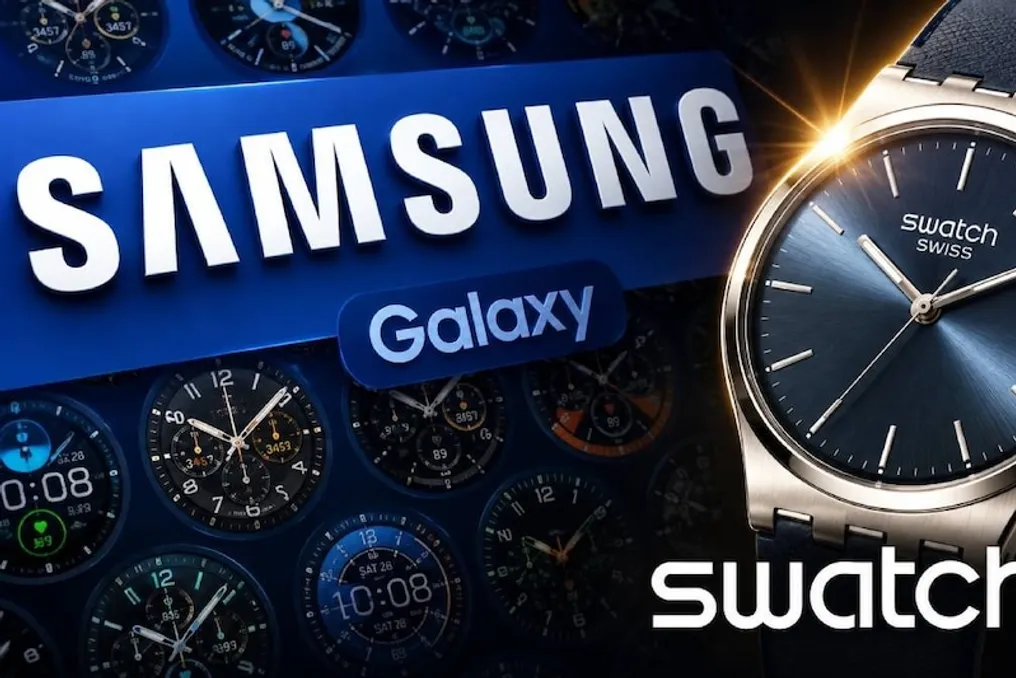
Samsung faced a significant setback in a case concerning smartwatch dial applications. The High Court of the UK ordered the company to pay the Swiss watchmaker Swatch Group compensation amounting to $11.6 million, equivalent to approximately 110 million rupees. The court's decision was made regarding the unauthorized use of trademarks.
The core issue related to certain smartwatch dial applications available on Samsung's Galaxy App Store between 2015 and 2019. The accusation was that some third-party applications imitated the designs and trademarks of elite brands belonging to Swatch Group.
Swatch Group owns numerous well-known and expensive watch brands, such as Omega, Longines, and Breguet. The company claimed that these brands were using names and designs without obtaining permission. Users could download these applications via the Samsung platform.
According to the report, around 160 thousand downloads of such applications were registered in the UK and Europe. Swatch demanded compensation from Samsung of about $170 million, which equates to approximately 1500 million rupees. In turn, Samsung insisted that it should only have to pay around $300.
The court found Samsung liable in this case. The judge noted that the company allowed these applications to appear on its platform, and its application review system failed to prevent trademark infringement. Although the applications themselves were developed by third-party developers, responsibility for their placement on the platform also rested with Samsung.
The judge also emphasized that providing the designs of luxury brands for free or at a very low cost can damage the value and image of these brands, especially for expensive and premium brands where recognition and design are highly important.
Following this ruling, Samsung received an order to pay compensation. However, the company does not consider this a final verdict and is considering appealing the case.
This case is considered important for large technology companies as it raises the question of the extent of a platform's liability for trademark infringements occurring in third-party applications.