The Deputy Minister of Agriculture for Cultivation reported that the agricultural sector plays a key role in ensuring the country's food security. Despite drought, water resource limitations, sanctions, and existing imbalances, the volume of agricultural production has increased from approximately 130 million to 137 million tons.
Majid Anyafi, speaking at a meeting with the Governor of Kermanshah, emphasized that current conditions and restrictions enhance the significance of the sector, asserting that food security is one of the most important pillars of national security.
He noted that last year the country experienced one of the most unprecedented droughts in the last fifty years, as well as facing issues related to water resources, sanctions, and imbalances. Nevertheless, thanks to the efforts of farmers, producers, experts, and managers, it was possible to achieve an increase in production volumes.
Regarding water resources, Anyafi specified that according to the development plan, about 65 billion cubic meters of water should be allocated for agriculture by the end of this plan. However, last year the Ministry of Energy announced the allocation of only 51 billion cubic meters, which led to a significant reduction in available resources compared to the planned amount.
The Deputy Minister continued that the achieved increase in production demonstrates the ability of the entire agricultural sector to overcome complex circumstances and effectively utilize available capacities, despite all limitations.
He named Kermanshah province as one of the most important agricultural provinces in the country, noting that the diversity and value of local agricultural production have given it a special status, and the improvement of the province's rating in the cultivation sector reflects its potential.
Anyafi expressed gratitude to the provincial leadership and the entire Kermanshah Agricultural Organization, stating that the support of the provincial top management is crucial for advancing programs, and expressed hope for continued cooperation.
Concerning the Ministry of Agriculture's plans to resolve the water crisis, he reported that steps are being taken at the national level to find new methods to increase productivity and volume by utilizing past experience, cooperating with research institutes, and implementing new projects.
The Deputy Minister added that a five-year strategy has been defined, which provides for the development not only of cereals but also of oilseeds, various types of fodder, and medicinal plants, as well as more efficient use of existing capacities in these areas.
Highlighting the role of technology and knowledge in increasing water efficiency, Anyafi stated that many products previously considered water-intensive are now produced with less water consumption due to new methods, while yield per unit area has also increased.
He gave an example: previously, growing wheat required about 7,000 cubic meters of water per hectare, but today, using new methods and varieties, higher yields are achieved in some cases using approximately half of that volume.
Anyafi also reported on the cultivation of about 90 wheat varieties adapted to the climatic conditions of different regions of the country, noting that the goal is to select and grow varieties most compatible with the climate and capabilities of each plain and region.
Speaking about changing the approach to cultivation, he emphasized the need to apply knowledge and technology to increase crop diversity and improve resource productivity to ensure sustainable production despite existing constraints.
The Deputy Minister highlighted the introduction of a targeted subsidy system in agriculture as one of the significant changes in recent years. He explained that previously part of state subsidies was allocated to importers in the form of preferential foreign exchange, whereas now efforts are being made to direct support more directly to producers and farmers.
These resources can serve as an incentive and leverage to encourage farmers toward positive changes in production models and increased productivity.
Anyafi also described the expansion of oilseed crops as one of the main transformations in the agrarian sector. He noted that although the development of these products had a relatively stable trend for about 30 years, in the last one or two years, some problems related to pricing and payments to farmers have been resolved thanks to new solutions. As a result of these measures, farmers' interest in growing oilseeds across the country has grown, and a significant increase in this area is also predicted in Kermanshah.
Regarding securing necessary resources for the next harvest, the deputy minister reported that appropriate measures have been taken, and they hope that according to meteorological forecasts, the coming year will be good for the harvest.
Anyafi, pointing to the high share of agricultural products in the country's total production, stated that total agricultural production reached approximately 137 million tons, of which 70 to 75 percent, depending on the year's conditions, is composed of harvested crops. This capacity under difficult conditions is an important achievement for ensuring the country's food security.
The Deputy Minister also drew attention to the vast potential of the province, naming Kermanshah one of the main centers of agricultural production in the country. He reported that in recent years, relying on production capacity and the efforts of farmers and the management team, the province has risen from fifth to fourth place in the country in the cultivation sector.
Anyafi attributed this success to the efforts of farmers, the management team, and the support of the Governor of Kermanshah, emphasizing that cooperation, coordination, and the support of the provincial top leadership played a decisive role in this improvement.
Expressing gratitude to the farmers of Kermanshah, who work in difficult conditions to ensure the country's food security, he added that the development of strategic products, including oilseeds, cereals, wheat, barley, livestock products, vegetables, and the expansion of contract farming, has brought the province's agrarian status to a noticeable level, and with potential, this position can be further improved.
Anyafi also stressed the decisive role of the Governor of Kermanshah in creating coordination between executive bodies and supporting the agricultural sector, noting that such cooperation can accelerate the development of the province's agriculture.
Stating that Kermanshah is among the top five provinces in the country in the agricultural sector, the deputy minister noted that among the province's important features are the diversity of production, the high capacity of agricultural lands, and its position in the production of strategic goods. The province has also become a pioneer in developing contract farming and has taken the necessary steps to start a new agricultural season.
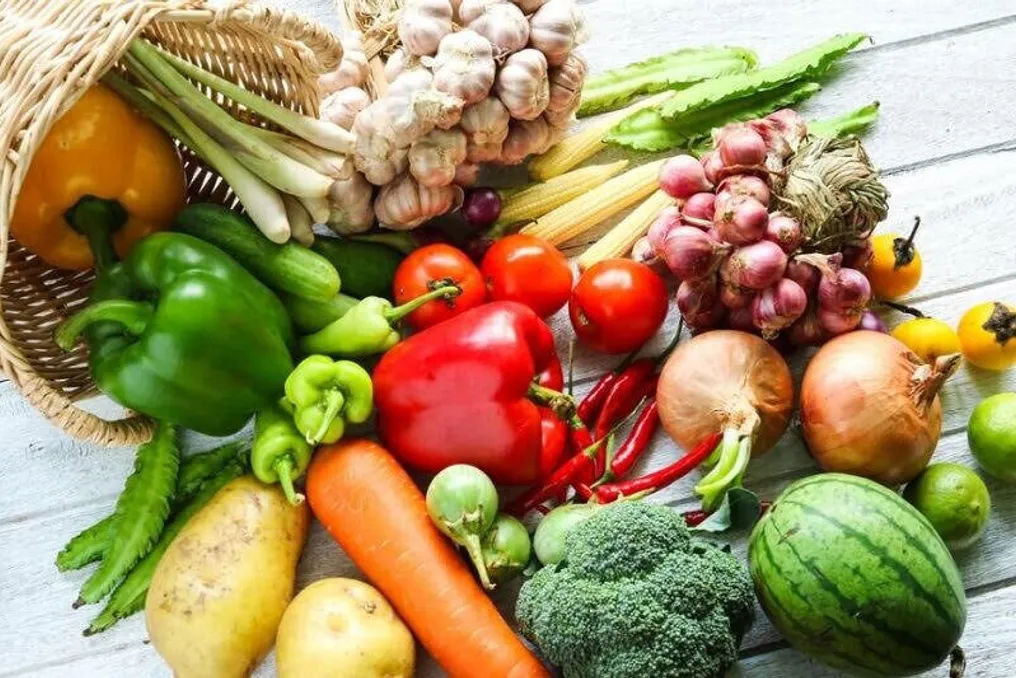
Anyafi concluded that Kermanshah province produces important and strategic products such as wheat, barley, oilseeds, fodder crops, vegetables, and livestock products, and the development of contract farming is also seriously underway here.
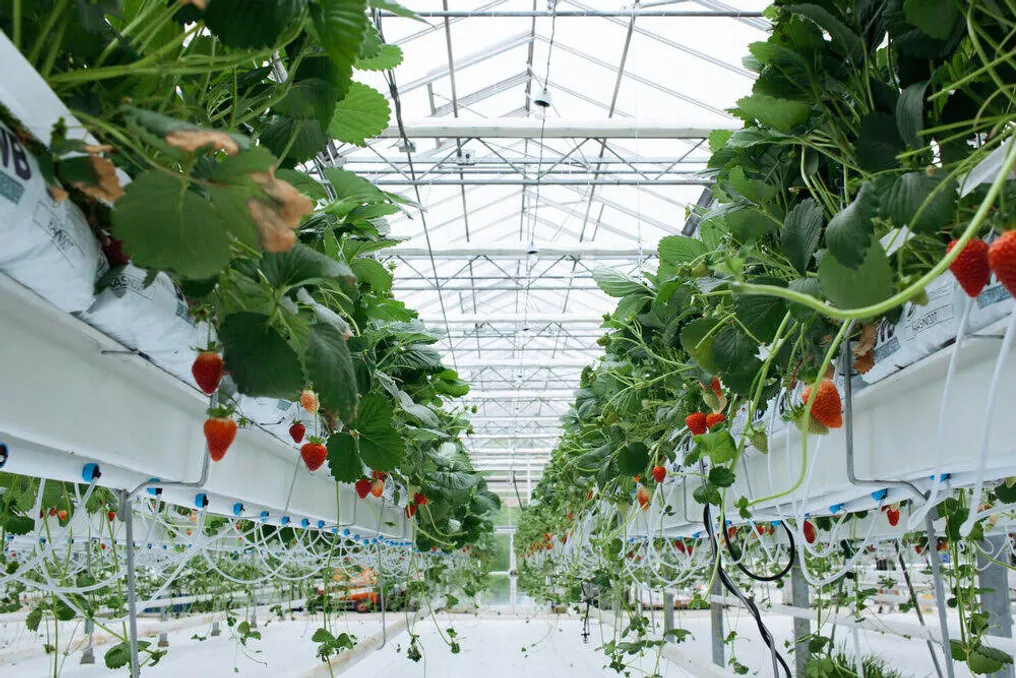
Emphasizing the need to increase agricultural productivity, the deputy minister stated that programs capable of strengthening the position of agricultural production in Kermanshah include the development of greenhouses, the use of modern irrigation systems, improving plant nutrition, and timely supply of fertilizers and necessary resources.
Regarding changes in water consumption models in agriculture, he noted that new knowledge and technologies make it possible to obtain more harvest with less water consumption. Productivity in the wheat sector has also significantly increased due to improved varieties and adaptation of cultivation to the climatic conditions of different regions.
Anyafi reiterated that despite past obstacles, decisions made in the last one or two years, including resolving pricing and payment issues for farmers, have increased interest in growing oilseeds, and a significant increase in the production of these products in Kermanshah is expected.
In conclusion, he recalled that the country produces about 137 million tons of agricultural products, of which 70–75 percent are harvested crops, and overall domestic production covers about 85 percent of the country's food needs.