
Six Dangerous Insects That Invade Homes During Rains and How to Prevent Their Entry
Read more
Aaj Tak
www.aajtak.in

Six Dangerous Insects That Invade Homes During Rains and How to Prevent Their Entry

The monsoon season and constant rain, while making the weather pleasant, contribute to a rapid increase in insect appearances due to dampness, water accumulation, and overflowing sewage drains. Although people often fear snakes or scorpions during the rain, there are actually many small and dangerous insects that penetrate bedrooms, kitchens, and bathrooms after rainwater accumulates.

Some of these insects bite with venomous stings, while others carry deadly diseases such as Dengue fever, malaria, and skin infections. The article examines six such dangerous insects that enter homes during the rain and also provides advice on how to protect against them.

Scorpion: When water collects in scorpion burrows during the rain, they seek a dry and warm place, hiding in shoes, clothes, or dark corners of the house. A scorpion sting is extremely painful and highly venomous.

Mosquitoes: Mosquitoes, which breed in stagnant water, pose the greatest threat during the rains. Their bites can cause fatal diseases, including Dengue, malaria, and chikungunya.

Centipede: In conditions of high humidity and dampness, centipedes enter homes through drains in bathrooms and kitchens. Their bite causes severe pain, as well as intense skin irritation and swelling.

Wasps & Fire Ants: During the rain, wasps or fire ants build nests near windows and rooftops of houses in search of dry places. Their sharp bites lead to allergic reactions on the skin, severe pain, and swelling.

Winged Termites: In the evening, winged termites are attracted by lamp light and begin to penetrate inside the house. They not only contaminate the floor but also secretly destroy expensive wooden furniture, hollowing it out from the inside.

Cockroaches & Toxic Beetles: When sewage overflows during the rain, cockroaches and various toxic beetles may appear in the house. They sometimes land on dirty dishes and food in the kitchen, increasing the risk of food poisoning and typhoid.

To protect against insects, it is recommended to use fine mesh screens on windows and seal the space under doors to prevent their entry. It is also important not to allow water to accumulate in pots, buckets, or on the roof, which will stop mosquito breeding.

Regularly spray a solution of vinegar, frankincense, or neoprene oil in the corners of the house, in bathroom drainage holes, and on windows. Additionally, during the rainy season, before putting on shoes, you should shake them thoroughly to avoid contact with potentially dangerous scorpions or centipedes.

Similar stories

Safety Tips: Odors in the Home Can Attract Snakes, Even in High-Rise Buildings
Read more
www.aajtak.in

Safety Tips: Odors in the Home Can Attract Snakes, Even in High-Rise Buildings

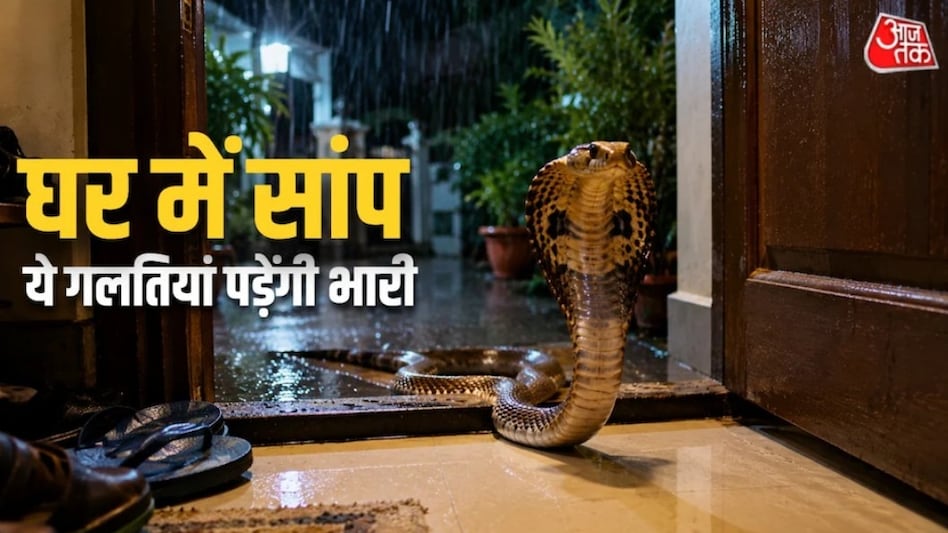
Many mistakenly believe that snakes inhabit only forests, bushes, or houses made of damp materials. However, reports of snake encounters in high-rise buildings and apartments on the 10th to 12th floors are surprising. According to biological data, the sense of smell in snakes significantly surpasses their ability to see and hear.

They use scent particles in the air to locate their prey and suitable habitats. Certain specific odors, dirt, or animal smells present in your home can compel snakes to climb to the 10th floor. Below are five factors and odors that attract snakes to a home, along with methods of protection.

Mouse and small animal odor: Snakes prefer mice, squirrels, and lizards as prey. If many mice have accumulated in your house, pantry, or on the balcony, the smell of their urine and excrement can prompt snakes to ascend to the 10th floor through the drainage system.

Bird and egg odor: Nests of pigeons are often built on balconies of tall buildings or near external air conditioning units. The smell of bird eggs and chicks is like an invitation to a feast for snakes.

Musty and damp odor: Since snakes are cold-blooded creatures, they are drawn to coolness and the smell of moisture. During hot or rainy weather, they may move towards drains in bathrooms, drainage pipes, and dark, damp corners, following this scent.

Leftover food and pet waste: If you keep dogs, cats, or birds in the house, and their food or waste is left uncovered, this not only attracts mice but also serves as a scent signal for insects and snakes indicating the presence of food.

Odor of old junk and dry wood/leaves: Old cardboard boxes, trash, wood, or dry leaves accumulated in a corner or on a balcony create a safe refuge for snakes. This old, musty smell can also attract them.

Install a mesh on drainage pipes: It is essential to install a fine metal mesh at the exit points of drainage pipes on balconies and in bathrooms.

Control mice and pigeons: It is necessary to remove pigeon nests from balconies and prevent mouse breeding in the house.

Spraying camphor and vinegar: Snakes dislike strong odors such as camphor, phenol, or vinegar, so it is recommended to spray them in corners.

Install a door sweep: The lower gaps of main doors and balcony doors should be sealed with a special door bottom seal.

How Household Items Attract Ants and Termites During Rain
Read more
www.aajtak.in

How Household Items Attract Ants and Termites During Rain

During the rainy and monsoon season, the humidity level in the atmosphere significantly increases. During this period, the sudden appearance of black and reddish ants, flying termites, cockroaches, and various insects gathering in large groups is often observed in homes. Although it may be unclear where so many insects come from, in reality, some items stored in the house, as well as the smell of moisture, are a direct invitation for these pests.

Termites and ants are very sensitive to the smells of moisture, cellulose, as well as sweet or decaying substances, and they head directly into your home. Below is an overview of items that attract termites and ants, along with recommendations for protecting your dwelling.

If there is dampness in the walls of a house during rainy days, and wooden debris, doors, or furniture are nearby, this moist, earthy consistency becomes a favorite food for termites.

Cardboard boxes and old paper contain a large amount of cellulose. When they come into contact with moisture, they emit a special odor that encourages termites and ants to build their nests in them.

Excess water collected in pots, as well as decaying leaves left on the balcony or inside the house, emits a smell of decay that immediately attracts flying termites and ants.

Unwashed dirty dishes in the sink or a small amount of spilled sugar or palm syrup on the kitchen counter attracts ants from a great distance due to the smell.

Old wooden scraps or termite-infested wood stored in the corner of a balcony or on the roof become the main cause of termite spread throughout the house after getting wet in rainy weather.

To prevent pest intrusion, furniture should be moved away from the walls. Wooden cabinets and beds should be placed at least 2-3 inches away from damp walls to ensure air circulation.

To repel insects, it is recommended to spray the corners of furniture and window frames with neem oil or white vinegar; their bitter aroma keeps pests at bay.

It is also necessary to immediately dispose of cardboard boxes, using plastic or airtight containers instead, and to get rid of cardboard boxes in the pantry.

Popular