A series of regulatory tightening measures has become a key factor in the decline in demand for Korean leveraged ETFs. The latest change was the introduction of a rule requiring five days of simulated training.
These instruments, which aim to double the daily returns of chip manufacturers Samsung Electronics Co. and SK Hynix Inc., have shown a sharp drop in trading value—down to 4% from its June peak, and are preparing for the first monthly outflow of funds.
To participate in simulated trading, investors must download software available only on PCs and spend at least an hour daily studying how to use leverage with virtual money. Interviews with several retail investors in Korea show that this new requirement, which came into effect on August 19, is too burdensome to meet.
Kim Jeong-hoon, a 41-year-old resident of Gyeonggi Province near Seoul, expressed dissatisfaction with the mandatory simulated trading, stating that it is 'too cumbersome.' He noted that 'the hours seem long, and the program can only be downloaded on a PC,' and added that his work computer does not allow installing external programs, making it difficult for him to carry an extra laptop to work.
The simulation exercises are part of a series of regulatory restrictions introduced in July to prevent trading ETFs linked to Samsung Electronics and SK Hynix—two giants in the global AI supply chain. Previously, higher minimum deposit requirements were introduced.
These single-stock ETFs were launched in May to attract retail capital to the local market, but they quickly became the subject of political debate. At their peak, the turnover of these products and the shares of the two chip manufacturers accounted for over 80% of the total market volume and caused sharp price fluctuations.
The system provides investors with a virtual deposit of 100 million won ($72,872 USD), allowing them to gain practical insight into the dangers of trading risky instruments. It allows them to see so-called 'volatility decay'—a process where returns may decrease over time for leveraged products.
Another retail investor, who wished to be identified only by the surname Lee, reported that he met all other preliminary conditions, including the minimum cash deposit of 30 million won, but faced difficulties completing the simulated trading course. He stated: 'I had to download the program, and there were minimum time requirements,' and added that he also needed to create a new account. 'So I didn't continue. I just logged off.'
The Korea Exchange declined to disclose the number of people who have downloaded the program or attempted to use the simulated trading system since its launch. The exchange stated that it does not plan to introduce a mobile platform.
According to data collected by Bloomberg Intelligence, the total outflow from ETFs linked to Samsung Electronics and SK Hynix reached about $1 billion in August and is projected to undergo its first monthly fund exit. This data tracks products listed in Seoul.
The total assets of these ETFs decreased to $5 billion as of August 27, compared to $11.4 billion at the peak in late June. This decline occurred due to several waves of global tech stock sell-offs, driven by concerns over increased spending and monetization prospects in the AI sector.
Bloomberg Intelligence analyst Rebecca Singh noted: 'Fund outflows may persist in the near term as regulators continue to tighten rules. South Korean authorities have shifted from supporting these products to actively restraining them.'
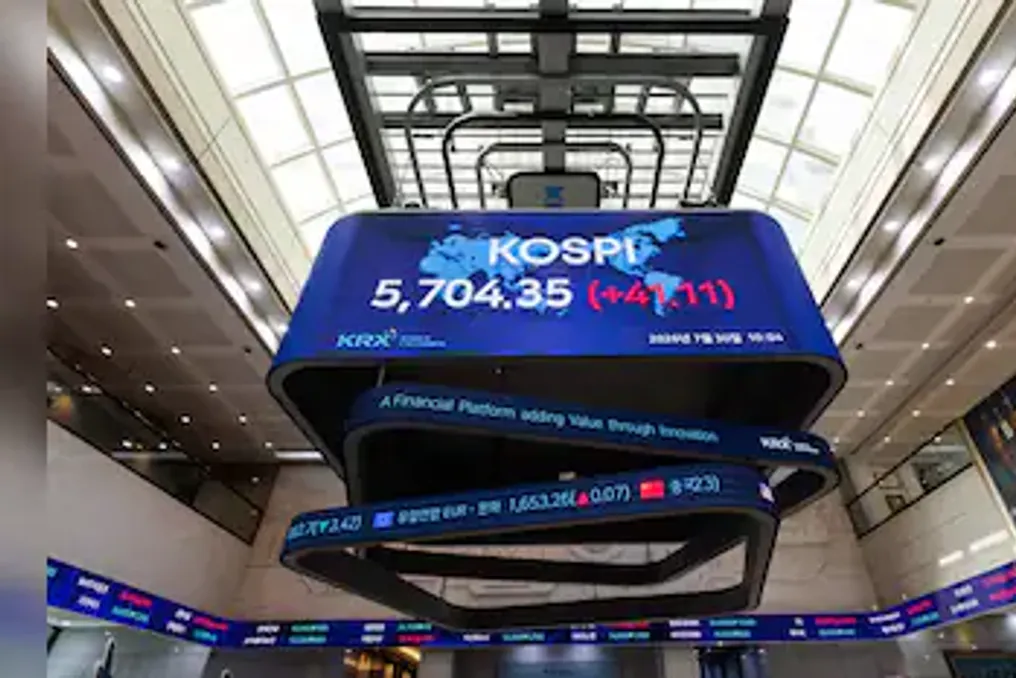
While the rapid decline in trading may disappoint existing investors hoping to sell assets at higher prices, it has contributed to market stabilization. The Kospi volatility index fell to a four-month low of around 50, down from a peak of 97 at the end of June.
The Korean stock market index rose by 61% this year but still lags 25% behind the record high reached two months ago. Park Ki-duk, a 39-year-old retail investor, stated that the weakening appeal of AI trading deterred him from investing in leveraged ETFs. He emphasized: 'I do not want to risk all the regulatory barriers when the AI or memory industry is not showing good results. If market conditions were much better, and I was confident I could profit from these trades, I would agree to go through all these hurdles.'