The euphoric tours of leading Bollywood stars across South Africa, which were popular in the 1990s, have ceased due to a number of reasons. For decades, cultural ties between India and South Africa were maintained through cinema and music, including large-scale live performances.
The arrival of Bollywood shows in major cultural hubs like Durban and Johannesburg was considered a grand event. These events offered audiences dazzling costumes, energetic choreography, and the chance to see legendary actors off-screen.
However, these large-scale stage productions have virtually disappeared today. To understand why South African arenas are no longer filled with the sounds of singers and megastars, it is necessary to examine a complex history involving political isolation, economic difficulties, and the changing global entertainment landscape.
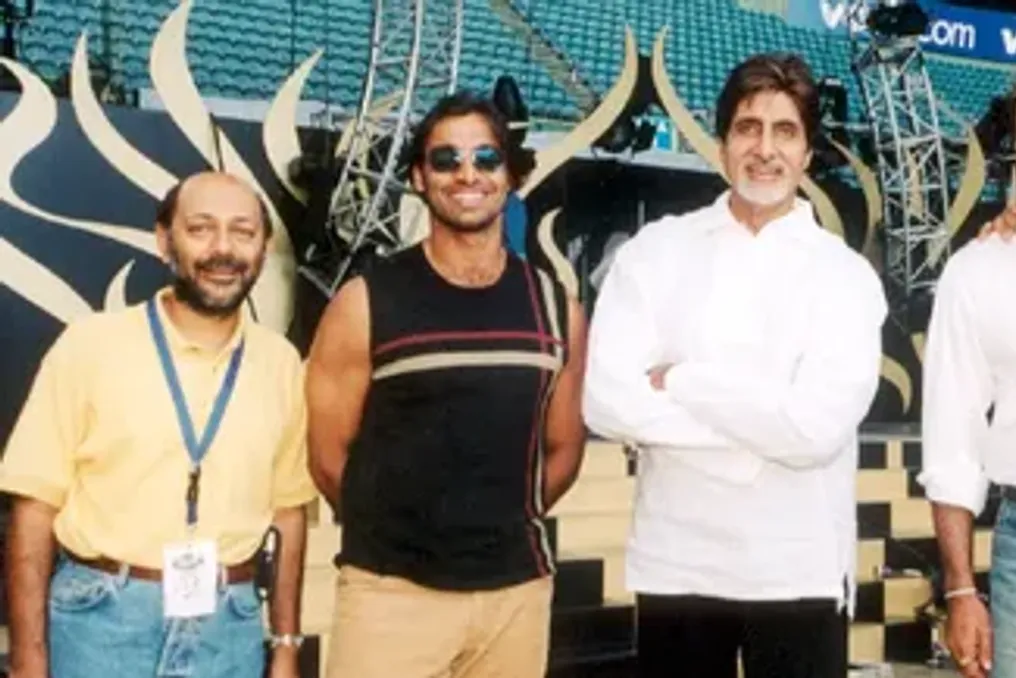
The biggest Bollywood show in South Africa was the 'Now or Never' event in 2002, which gathered a dozen leading figures from the industry. Producer Anand Singh was seen at a press conference in Durban alongside Shilpa Shetty, Preeti Zinta, and Rani Mukerji before this show.
The history of Bollywood entertainment in South Africa is inextricably linked to India's historical stance against the apartheid regime. Long before the international community mobilized fully, India severed diplomatic, economic, and cultural ties with South Africa in the 1940s and 1950s in protest against institutionalized racial discrimination. This policy led to a complete ban on Indian films, cultural exchange, and artist tours.
For many years, the vibrant Indian diaspora in South Africa experienced deep cultural isolation from the center of Indian cinema. Although counterfeit VHS tapes and vinyl records infiltrated the country, live performances by Bollywood actors were unavailable.
After the fall of the apartheid regime and South Africa's transition to democracy in the early 1990s, restrictions were lifted, sparking exuberant celebrations. Historical tours in the post-apartheid era felt like a triumphant family reunion. Huge troupes featuring iconic actors, comedians, and singers appeared on packed stadiums.
These early concerts after the lifting of the ban became symbolic milestones for a new democratic South Africa integrating into the global market, bridging bonds of shared historical struggle and cultural closeness. However, while the return of Bollywood in the 1990s and 2000s was marked by triumph, subsequent decades have been characterized by economic strain.
Organizing a modern Bollywood mega-concert has become a colossal financial gamble, and South Africa is increasingly excluded from the tour. Economic conditions are extremely harsh. Inviting top-tier Bollywood stars, massive dance troupes, high-end technical production, and security services requires investments amounting to millions of Rands.
Producers face enormous financial risks, exacerbated by currency fluctuations between the South African Rand and the US Dollar, in which artists demand payment. Furthermore, corporate sponsorship, which previously helped fund large international cultural events, has dried up. Economic pressure is compounded by rising ticket prices.
In a context of limited local economy, where disposable income is under severe pressure, fans are forced to weigh the high cost of entry against daily living expenses. Producers find themselves in an impossible situation: tickets must be priced exorbitantly just to break even, but such prices make the shows inaccessible to the very working and middle-class audience that forms the core of the Bollywood fandom in South Africa.
Adding to these financial barriers is a fundamental shift in how global audiences consume celebrity culture. In the pre-social media and instant streaming era, a live concert was often the only way for fans to bridge the vast geographical and emotional distance to screen idols. Today, Bollywood stars maintain daily, personal contact with their international fans through Instagram, YouTube, and global streaming platforms.
Film releases are synchronized worldwide, and promotional tours increasingly concentrate in regions with highly profitable corporate markets, such as North America, the UK, and the Gulf countries. For major production companies, the return on investment from organizing a massive physical tour across the Southern Hemisphere no longer matches the digital reach achievable from a smartphone.
The absence of Bollywood actors' live performances in South Africa marks the end of a very specific and vibrant chapter in the country's cultural history. Despite the deep love for Indian cinema remaining as passionate among the South African public, the combination of exorbitant logistical costs, economic hardship, and evolving entertainment paradigms has silenced stadium tours. The era, which began with such triumphant euphoria after the fall of apartheid, has given way to a quieter digital connection, leaving fans to cherish memories of when Mumbai stars personally illuminated the nights of South Africa.