Gadget demand rises in UAE with start of academic year; retailers offer discounts up to 30%
Read more
Khaleej Times
www.khaleejtimes.com

Gadget demand rises in UAE with start of academic year; retailers offer discounts up to 30%

As over a million students prepare to return to classes across the UAE on Monday, parents are actively visiting electronics stores to purchase laptops, tablets, and accessories for the new academic year.

Retailers note high demand, leading many companies to launch promotions, exchange programs, and installment plans to help families manage expenses.

Pradip Mina, Head of Retail at Emax, reported that laptops remain the most sought-after device among students, though the choice depends on the age group. He emphasized that 'the most popular item requested by students is the laptop.'

He added that university students prioritize either a MacBook Pro or gaming devices capable of handling the high computational loads required for disciplines such as architecture and engineering. For 8th or 9th-grade students, he said, iPads and tablets are always in high demand. He also noted a growing interest in noise-canceling headphones, which help students concentrate on their studies even in noisy home environments.

Ashish Panjabi, COO of Jacky's Retail, confirmed a similar trend in his stores. He stated that parents of younger schoolchildren often prefer tablets due to their portability, ease of use, and effectiveness for educational platforms. However, for university students, laptops remain the preferred category.

Pradip advised parents to determine the expected lifespan of the device before purchasing, asking themselves: 'Do they plan to use this product for one year or for the next two or three years?' He also warned that university students should not buy an insufficiently powerful laptop that is outdated in terms of NPU, GPU, and CPU. Instead, he recommended choosing a device that will last for at least four years of study.

Ashish added that a suitable device should reflect the student's age, course requirements, and how it will be used daily. He also noted that over 70 percent of families shopping at Jacky's consider extended warranties and accidental damage coverage, which protects against screen cracks or liquid spills.

Furthermore, he observed that customers no longer view individual devices in isolation; they are increasingly considering the broader ecosystem and how a laptop or tablet will interact with smartphones, headphones, and other gadgets.

Several retailers have launched special offers to ease the financial burden on families. Emax offers 24-month interest-free installment plans, as well as payment options through Tabby and Tamara. Customers using certain bank cards may receive additional bonuses.

Sharaf DG has provided exchange programs and free gifts worth up to 500 dirhams when purchasing laptops and tablets, and students and teachers receive an additional five percent discount.

Jumbo Electronics is running a 'Back to School' promotion until September 14th, offering a 10 percent discount for students and teachers up to 300 dirhams, along with guaranteed gifts worth 600 dirhams on a minimum purchase.

Meanwhile, Jacky's is offering up to 30 percent off on tech items, including student laptops, monitors, accessories, and MacBooks.

Ashish noted that trade-in programs for old devices are becoming increasingly popular. He explained that trading in an old gadget can reduce the initial cost of a new one, which is beneficial for families buying multiple items at once.

Pradip added that buyers can exchange old devices for discounts. He stated that there has been a significant shift in mobile phone attitudes over the past three years, noting that 15–20 percent of customers now want to trade in old devices when purchasing new ones.
Similar stories

Parents in the UAE are advised to check discounts in school stores and the reliability of online sellers
Read more
www.khaleejtimes.com

Parents in the UAE are advised to check discounts in school stores and the reliability of online sellers

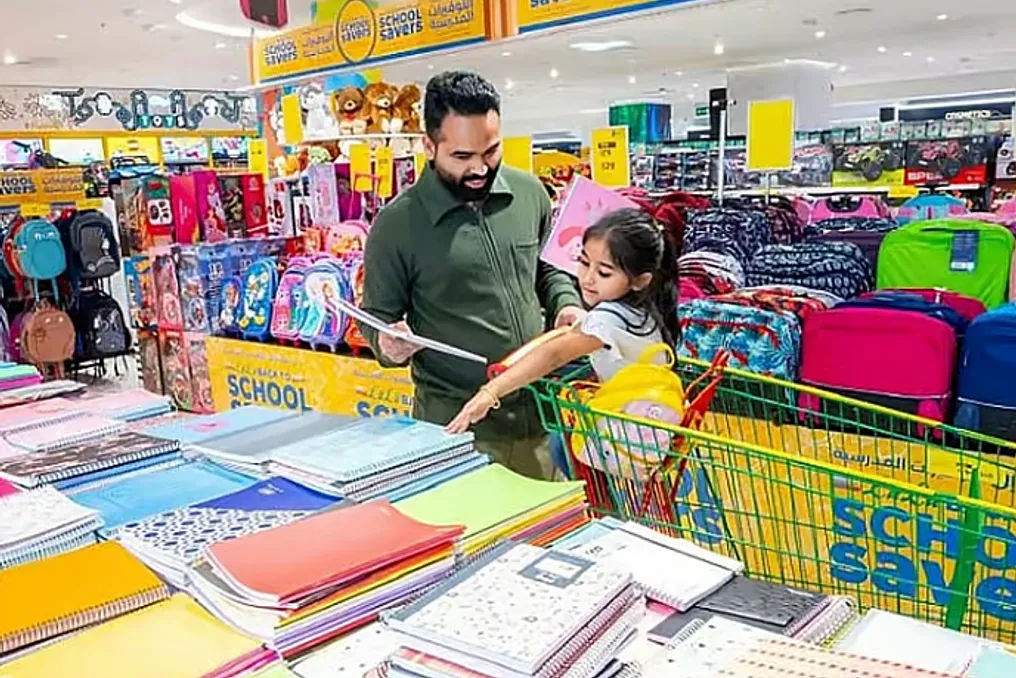
As the new academic year approaches, parents purchasing school supplies have received an urgent recommendation to verify advertised discounts, ensure the legitimacy of online stores, and involve children in the purchasing planning process.

Ahmed Ahli, the current Consumer Protection Director at the Dubai Department of Consumer Protection and Fair Trade, stated on a Dubai radio program that the department has activated its regular inspection campaigns in retail outlets before the 'back to school' season. He also noted an increase in the number of stores participating in seasonal promotions, where sellers offer a wider range of educational goods, including clothing, paper, pencil cases, and bags.

Checking Prices Before Purchase

Ahli emphasized that all offered discounts must be approved by the department and supported by the necessary permits. Furthermore, sellers are obliged to state the item's price both before and after the discount is applied, as well as the percentage reduction. This requirement is particularly relevant when stores advertise discounts ranging from 25% to 75%, as it allows buyers to determine if the promotion represents genuine savings.

Checking Online Stores

Given the widespread adoption of e-commerce among families, Ahli advised consumers to check the website's registration and the presence of relevant licenses before making a purchase. He cautioned buyers: 'Do not be the first person to deal with an unfamiliar company or site,' strongly urging researchers to investigate online sellers before sharing payment details or placing an order.

Consumers should also carefully examine product descriptions, especially when buying school bags and other items whose size and dimensions may affect their suitability for children. It is important to familiarize oneself in advance with exchange and return policies, including information about possible additional delivery charges.

Teaching Children Budgeting

Ahli stated that consumer awareness should be fostered from an early age. The department is expanding informational campaigns for primary and middle school students, as well as college and university students. He urged parents to start by asking their children to create a list of necessary school supplies, such as pens, pencil cases, lunch boxes, pencils, and rulers. As children grow older, parents can provide them with a specific budget and ask them to compare products so they can decide how to allocate the money themselves.

Ahli gave an example: 'One child might prefer to spend more on a durable school bag and save on other items, while another might focus more on a lunch box or pencil case.' He added that parents should teach children to compare products based on quality, price, and practical features, rather than choosing an item solely because of its color or appearance.

How to File a Complaint

Consumers can first approach the Consumer Happiness Centers located in participating retail outlets. According to Ahli, this initiative was launched in cooperation with nearly 150 major stores. If the complaint is not resolved or the center is unavailable in the store, consumers can contact the Department of Consumer Protection via WhatsApp at 600545555 or through the website consumerrights.gov.ae.

Overview of Changes in UAE Schools for the 2026–2027 Academic Year: New Rules and Policies
Read more
www.khaleejtimes.com

Overview of Changes in UAE Schools for the 2026–2027 Academic Year: New Rules and Policies

The start of the new 2026–27 academic year will be marked by significant changes in over 1,180 public and private schools across the UAE. By August 31st, more than 1.277 million students will return to schools, and the Ministry of Education has prepared a series of innovations concerning the educational process, knowledge assessment, technology use, and general school operations.

As part of preparations for the new semester, the Ministry opened 11 new educational complexes and schools, deployed 5,810 school buses, and distributed eight million textbooks. Additionally, 26,700 new students have been registered in public schools.

The Ministry of Education stated that the preparation covered not only infrastructure, such as buildings and transport, but also the formation of a more flexible and effective education system that should be based on national identity and align with scientific and technological advancements. Education Minister Sara Al Amiri emphasized that the focus was specifically on systemic changes.

The National Education Charter is being implemented as a unified national vision for the education sector. This Charter, initiated by President Sheikh Mohammed bin Zayed Al Nahyan and the rulers of the UAE, defines the qualities, values, and future competencies that the education system aims to develop in students.

For the new academic year, the Ministry will launch the 'Return to School' campaign under the slogan 'Charter-Guided, Building the Future.' The goal of this campaign is to integrate the principles of the Charter into daily school life and strengthen cooperation between educational institutions, families, and society as a whole.

The implementation of these changes will occur across six areas: linking Charter principles to learning outcomes, expanding teachers' opportunities for application, embedding principles in daily practice, using classroom and extracurricular activities to reinforce them, aligning student codes of conduct, and involving families in supporting these principles.

For preschool-aged students (from kindergarten to Grade 2), traditional homework is being abolished. This decision is justified by the developmental needs of young children and aims for more effective use of class time, as well as restoring a healthy balance between school and family life.

Instead of routine assignments, parents are advised to support daily reading at home. According to the Ministry, this will help form early literacy, strengthen language and cognitive skills, and awaken children's curiosity and interest in learning without turning homework into a burden.

The Ministry will begin the second phase of Arabic language skills assessment following the pilot project conducted last year in 100 public and private schools. The next phase will cover all 19,000 first-graders in 162 public schools and 11,000 first-graders in 130 private schools.

The program is designed to timely identify students' level of Arabic proficiency, establish a clear baseline, and provide schools with necessary information to offer support from the very beginning of a child's educational journey. The Ministry stressed that Arabic is a key national and educational priority, and it will continue to work on deepening students' mastery of the language.

The Ministry is expanding the 'Regulation of Digital Tool Use in Education' project to all sixth graders in public schools. This decision followed a study from the previous academic year involving 2,500 students in nine public schools. The study compared two groups to assess the impact of regulating digital tools.

Preliminary results showed a clear improvement in academic performance in non-digital classrooms, especially in mathematics, natural sciences, and Arabic. An improvement in student behavior and increased concentration in class was also noted. The Ministry believes that this policy strikes a reasonable balance between using technology and strengthening fundamental skills. Digital tools will remain part of education, but their use will be regulated by standards aimed at supporting academic achievement, critical thinking, cognitive development, interaction, and discipline.

The assessment system for Group A subjects in Cycle 3 will be changed: the proportion of school grades and centralized assessments will become 50:50. This change is intended to reflect the student's actual annual performance while maintaining a unified national structure.

Teachers and school teams will also conduct diagnostic assessments to identify knowledge gaps early. The data obtained will be used to plan lessons and provide targeted assistance to students, including interventions and reading plans based on individual needs.

The Ministry is increasing the scope of the project-based learning and assessment initiative by more than 129,000 students across 366 schools nationwide. A new integrated project will be introduced for seventh graders, combining Arabic, English, Mathematics, and Natural Sciences into one task. This approach will help students see the interconnections between subjects, link knowledge to practical application, and develop future-oriented skills. The program will also provide teachers with more diverse and practical tools for assessing student knowledge and skills.

Over the next two academic years, the Ministry will launch an evaluation program for all government and private schools accredited by the Ministry, starting from the first semester of 2026–27. This evaluation will measure institutional and educational effectiveness according to approved national standards, identify strengths and areas for improvement, and assist schools in developing and implementing sustainable development plans to enhance educational quality and improve learning outcomes.

More than 24,000 teachers, school principals, and specialists will participate in a Specialized Training Week, which will offer over 80 training programs and seminars. A separate program will also support more than 1,700 school principals. The broader professional development package includes the National AI Capacity Building Program, developed jointly with Hamdan Bin Mohammed University, the Future School Leaders Project, the Afaq program with the Emirates Advanced Education College, the Comprehensive Leadership Development Program for Educators, the Professional Exchange Program, and the Certified Internal Trainer Program. The Ministry notes that these initiatives reflect its belief that investing in teachers and school leaders is investing in the future of the national education system.

UAE Students Include Cosmetics and Recycled Material Goods in Back-to-School Shopping Lists
Read more
www.khaleejtimes.com

UAE Students Include Cosmetics and Recycled Material Goods in Back-to-School Shopping Lists

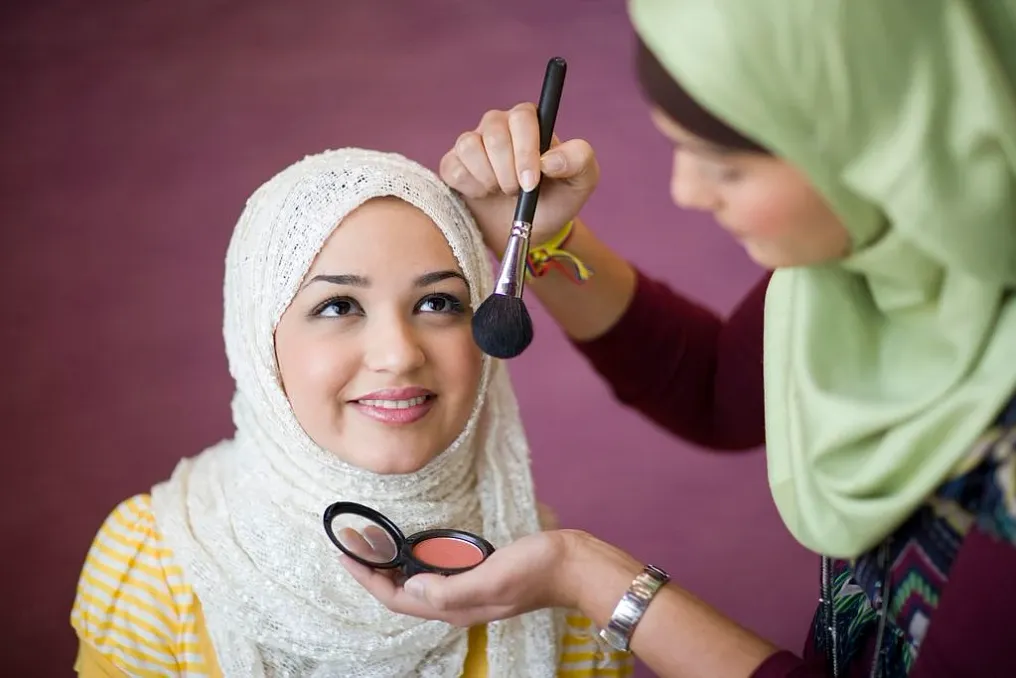
The back-to-school shopping list has undergone significant changes over the past five years: students are now purchasing not only notebooks and pencils. According to a representative from Landmark Group, cosmetics, skincare products, and accessories that align with current trends have become part of the annual ritual.

Beauty has become an increasingly important part of the preparation period for school, especially among high school students and young people preparing for a new academic year. Mimi, a sixteen-year-old student from Dubai, spent the last week browsing cosmetic items for school. She mentioned looking for various brands of her favorite liner, which had run out, and is looking forward to using it at school.

The representative also noted that consumers prefer products that allow them to perform daily routines quickly and effortlessly, rather than creating elaborate looks. Basic skincare products, lipsticks, concealers, mascara, and light facial products are highly sought after.

He emphasized that there is demand for items that provide a natural look and fit easily into a busy school or university schedule. According to Mimi, many girls in her school wear makeup daily; some do so for special occasions, others maintain a simple no-makeup look every day, while some younger students apply full makeup daily, which she estimates takes them at least an hour per day.

The representative added that back-to-school shopping is no longer purely utilitarian. For many students, especially teenagers and older children, it is an opportunity to express their individuality, interests, and style. As a result, collections featuring brands and characters continue to be in high demand, especially if they align with popular trends in entertainment, gaming, and lifestyle. Stores feature hundreds of items with brands such as Spider-Man, Minecraft, Stitch, and Minnie Mouse.

He stated that over the past five years, the shopping season has become more thoughtful, more value-oriented, and much more influenced by lifestyle trends. Students play a more active role in purchasing decisions, stimulating demand for designs and products that reflect their personal preferences. Social media now shapes everything—from colors and design to product preferences across all categories.

An expert from Centerpoint noted that students have also become more conscious in their choices. Ashwini Kharkhadkar reported that there are school bags made from recycled plastic bottles, as young people today care much more about the environment and strive to reduce their carbon footprint. She also added that retail interest in products with recycled content, reduced packaging, and more sustainable sourcing methods is growing.

Many families are also increasingly choosing sets and ready-made solutions that eliminate the need to guess when shopping. The Landmark representative explained that such collections offer both savings and simplicity, helping parents save time and ensure a smoother shopping process. He also noted that convenience is one of the main factors influencing purchases.

Convenience

School backpacks, lunch accessories, and stationery remain key categories. However, for parents who prioritize comfort and ergonomics, features such as reinforced seams, sturdy straps, and lightweight yet durable materials are becoming increasingly important.

Popular