Nepal faces serious consequences of climate change despite emitting less than 0.01% of greenhouse gases. Shisir Khanal, a Nepali leader, criticized this disparity, stating that the Nepali people are among the most affected. He called on the international community to work together towards preserving the Himalayan ecosystem.
A catastrophic event occurred on Wednesday near the high-altitude border between China and Nepal. The United States Geological Survey (USGS) attributed this disaster to the collapse of a glacier, which resulted in a torrent of debris downstream.
The Himalayan glaciers, which provide essential water for approximately two billion people, are melting at an accelerated rate due to global warming. This process not only exposes populations to calamities but also destabilizes mountain slopes, increasing the risk of new landslides and other threats.
The Nepali minister reported that he had contacted his Chinese counterpart, Wang Yi, by phone, and that both agreed to intensify the sharing of 'real-time hydrological data,' as reported by the Spanish agency EFE.
In a statement issued by the Chinese Ministry of Foreign Affairs, Wang Yi declared that Beijing had already shared vital information with Nepal, including images of the affected area, satellite and hydrological data, as well as early warnings about upstream dammed lakes.
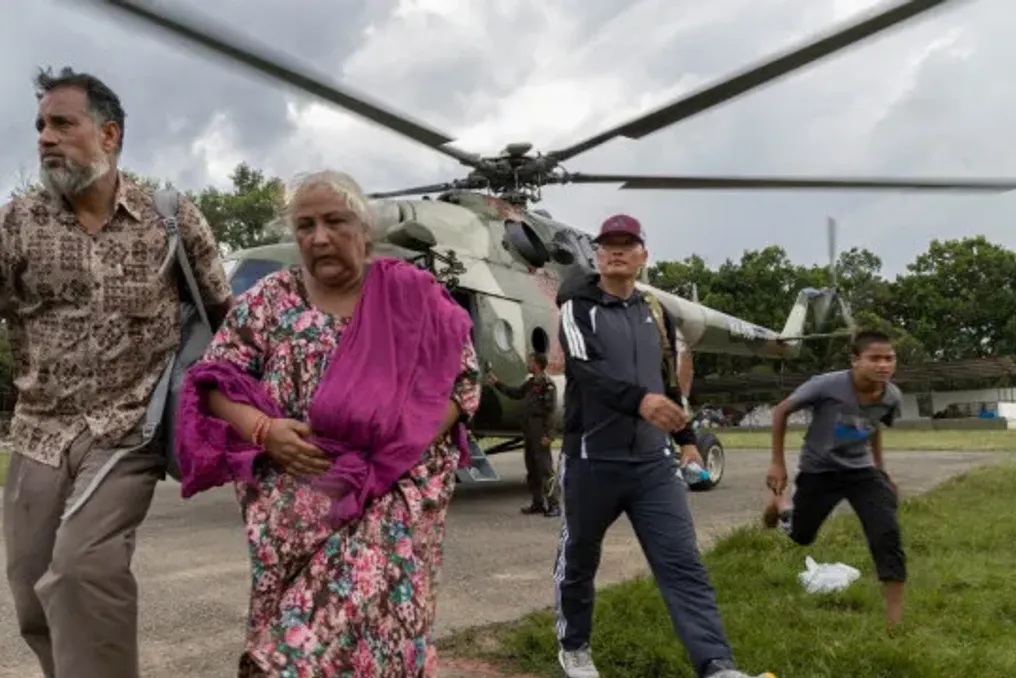
Thousands of members of the armed forces, police, and paramilitary forces remain mobilized in search and rescue operations, using helicopters to reach areas where land access has been cut off. Teams are also working on recovering bodies swept away by the waters and searching for about three thousand people registered as missing, at a time when rescues with survivors are becoming increasingly rare.
Nepal confirmed today the registration of 675 deaths resulting from the devastating flood that occurred on Wednesday in the northern part of the country. This figure was updated by the Nepalese authority responsible for emergency management, according to the French agency AFP. Meanwhile, China released a preliminary count of seven deaths in Tibet, bringing the total number of fatalities to 683.