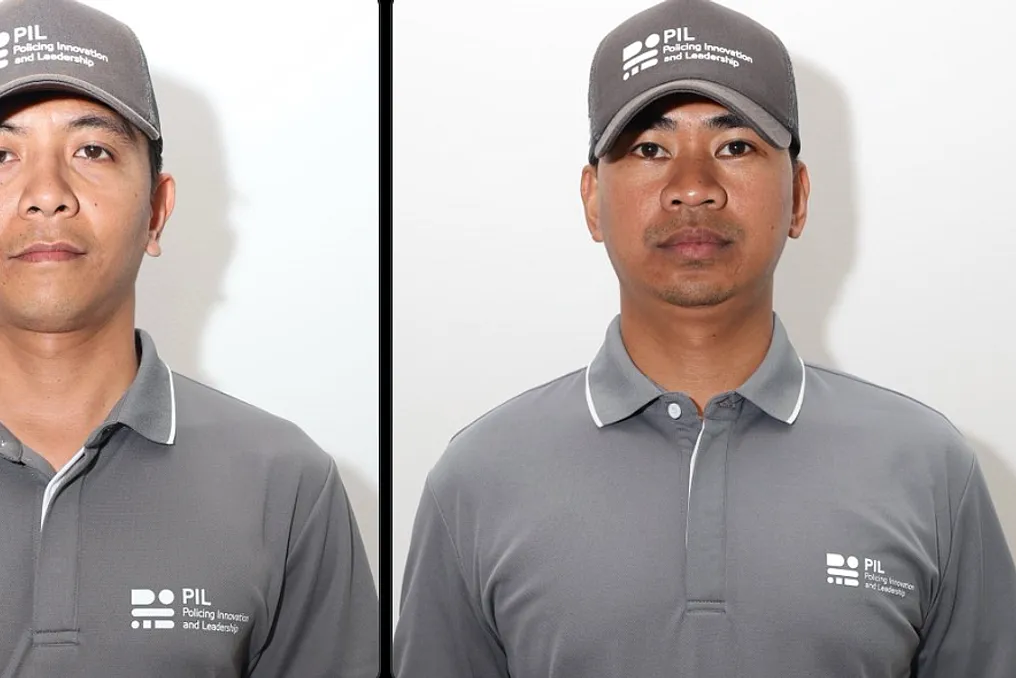
Two officers from the Philippine National Police (PNP) stated that their time in Dubai changed their perception of the future of law enforcement, providing them with ideas they hope to implement back home.
Major Richard Curada Lozano and Captain Modesto Dumangin Nehivan were among the law enforcement personnel from 45 countries who participated in the third cohort of the Diploma in Police Innovation and International Leadership (PIL). This program was organized by the Dubai Police in collaboration with Rabdan Academy.
Both parties noted that the program allowed them to move beyond traditional policing methods, focusing on technology, leadership, innovation, and strengthening ties with the communities they serve, according to the Dubai Police statement.
For Lozano, participation in the program was an opportunity to hone his leadership qualities and better understand how police work is transforming. He remarked: 'This program provided me with a unique opportunity to enhance my leadership abilities, broaden my view on modern policing strategies, and gain valuable knowledge about innovative practices applicable to my organization.'
One of the most important takeaways for him was adaptive leadership. Lozano believes that police leaders must think strategically, embrace new ideas, and engage with various stakeholders while staying ahead of emerging challenges.
Nehivan also joined PIL seeking a broader understanding of global policing practices, but he gained more than expected. He stated: 'The program strengthened international cooperation among participating countries and endowed me with foresight for developing our services in the Philippines.'
In Nehivan's view, quality police work goes beyond mere law enforcement; it lies in having a real impact on the public, improving services, and building trust through legality and justice.
Innovation and leadership became central elements of the experience for both officers. Lozano reported that concepts such as Tuckman's group dynamics model and various innovation methodologies gave him new approaches to how teams and organizations can operate more effectively. He emphasized that innovation is not just about implementing something entirely new, but also about perfecting existing systems while being open to ideas that challenge established ways of working.
Nehivan was particularly interested in how smart technologies, leadership, and community engagement can be used together. For him, combining these elements is key to making police work more proactive and responsive to the people it serves.
The learning was not one-sided. Lozano and Nehivan also shared their experiences from the Philippines during the program. Lozano spoke about PNP's work in community engagement and proactive crime prevention, while Nehivan discussed community partnerships, crisis response, and maintaining operational resilience.
They noted that hearing how personnel from different countries approach similar issues added another layer to their experience, demonstrating how ideas from one law enforcement environment can offer valuable lessons in another.
Now that the program has concluded, both officers intend to translate the acquired knowledge into practical changes in their work. Lozano plans to use the skills gained to strengthen his leadership style and promote a stronger culture of innovation within his organization, especially in the areas of community engagement and strategic problem-solving.
Nehivan aims to develop approaches focused on increasing public trust and the quality of police services in the Philippines, leveraging the program's emphasis on technology and public involvement.
For both officers, the time spent in Dubai was more than just acquiring additional qualifications; it gifted them new ideas, international connections, and a different perspective on the evolution of law enforcement, merging technology and innovation with leadership and a stronger connection to the communities they serve.