Canara and Union Bank appeal to NCLAT over Subhash Chandra's debt repayment plan
Read more
Business Standard
business-standard.com

Canara and Union Bank appeal to NCLAT over Subhash Chandra's debt repayment plan

Several creditors, including public financial institutions, intend to challenge the National Company Law Tribunal's (NCLT) approval of the repayment plan presented by Essel Group founder Subhash Chandra. This plan stipulates a payment of only 6.25 crore rupees against recognized claims amounting to approximately 22,000.57 crore rupees.

Canara Bank, Union Bank of India, and LIC Housing Finance are filing an appeal with the National Company Law Appellate Tribunal (NCLAT) against the NCLT's decision. Canara Bank announced the appeal in a media statement. Union Bank of India (UBI) reported an immediate challenge to the NCLT's decision in the NCLAT, and LIC Housing Finance (LICHFL) also announced an immediate appeal alongside other public financial institutions.

This development occurred despite the repayment plan receiving 80.81 percent of creditor votes. The proposed sum of 6.25 crore rupees compared to the recognized claims of 22,000.57 crore rupees provides extremely low compensation for creditors.

Canara Bank clarified that it, along with Union Bank of India (UBI) and LICHFL, opposed this plan. The bank noted that Canara Bank (with a vote share of 1.60 percent) and other public entities, as well as Union Bank of India (0.76 percent) and LIC Housing Finance Ltd (6.09 percent), voted against the proposal, but the plan was approved by other private creditors by a majority (80.81%).

Furthermore, Canara Bank stated that it had requested a forensic audit, but its request was not granted due to its minority voting share. The bank confirmed: 'The Bank is appealing to the NCLAT against the NCLT's decision.'

Union Bank of India (UBI) also stated that it rejected the settlement plan along with other public sector undertakings such as Canara Bank and LICHFL, and sought its rejection in the NCLT. However, due to the majority vote of certain private creditors, the plan was approved by the NCLT. Now, Union Bank of India (UBI) Ltd is immediately challenging this decision in the NCLAT.

LICHFL also voted against the repayment plan. It emphasized that LIC Housing Finance Limited and other public financial institutions, including Canara Bank and Union Bank of India (UBI) Ltd., voted against the Repayment Plan, which was ultimately approved by the votes of other Financial Creditors, amounting to 80.81 percent.

Creditor resistance is also linked to the small amount of compensation offered under the plan. For instance, LICHFL had a recognized claim of 1,322.39 crore rupees, for which the plan provided only 38.09 lakh rupees according to the NCLT's decision. LICHFL had previously argued before the tribunal that the compensation was too low, describing the payment terms as 'unviable and illegal.'

HDFC Bank, which also voted against the plan, is considering filing an appeal. The bank reported that HDFC Bank's recognized claim amounted to only 3.2 percent of the total claimed amount. This line was inherited from HDFC Ltd, which merged with HDFC Bank in 2023. HDFC Bank objected to this settlement and voted against it, which was approved by a majority, and is now examining the possibility of filing an appeal with the NCLAT.

This case concerns insolvency (bankruptcy) procedures regarding Chandra as a personal guarantor for loans taken by companies associated with the Essel Group. Indiabulls Housing Finance approached the NCLT after the debts were not repaid.
Similar stories

HDFC Bank considers appeal to NCLAT against Subhash Chandra's debt repayment plan
Read more
business-standard.com

HDFC Bank considers appeal to NCLAT against Subhash Chandra's debt repayment plan

HDFC Bank, the country's largest private lender, is examining the possibility of filing an appeal with the appellate tribunal following the approval by the National Company Law Tribunal (NCLT) of a debt repayment plan for Essel Group founder Subhash Chandra. This plan proposes a payment of only 6.25 crore rupees against recognized claims amounting to 22,000.57 crore rupees, which represents a reduction in claims of 99.97 percent.

In its statement, the lender noted that the share of recognized claims in the NCLT case under consideration was only 3.2 percent of the total claimed amount. It should be noted that this lender accepted this financial program, which was previously provided by HDFC Limited, and HDFC Ltd merged with HDFC Bank on July 1, 2023. The bank stated that it opposed this settlement and voted against the decision, which was approved by a majority vote.

The bank has informed that it is studying the filing of an appeal in the NCLAT. Furthermore, a senior banking official, who wished to remain unnamed, stated that the compensation is unacceptable to creditors, and that they are also considering filing an appeal in the NCLAT. However, Chandra refuted the bankruptcy claim of 22,000 crore rupees, asserting that the relevant claims amount to 3,992 crore rupees.

Chandra clarified that he personally did not take money from the creditors involved in the proceedings and is facing bankruptcy proceedings only as a personal guarantor for loans taken by companies associated with the Essel Group. He stated that 'there is no personal borrowing by Dr. Subhash Chandra from any of the creditors mentioned in the order, or from any other creditor/lender. I only signed personal guarantees.'

According to the statement, the total amount of signed guarantees was approximately 22,000 crore rupees, and the plan was approved by 80.814 percent of creditors when the insolvency professional conducted the voting. Moreover, 'many of the remaining 19.186 percent did not even vote when the voting was open for several days.'

Rahul Patel, a partner at Gandhi Law Associates, commented that '6.25 crore rupees is the distribution fund against recognized claims of approximately 22,006 crore rupees, which equates to a very small recovery and a claim reduction exceeding 99.9 percent. The distribution is generally proportional to the recognized eligible claims.'

Patel added that 'the NCLT order does not increase the 6.25 crore rupee fund. It requires the exclusion of certain unverified claims and the redistribution of their allocated share among eligible creditors, slightly increasing their recovery.'

An example of the recovery rate is demonstrated by the case of LIC Housing Finance (LICHFL). Its recognized claim was 1,322.39 crore rupees, while the repayment plan offered 38.09 lakh rupees, or about 0.028 percent of the recognized debt, according to the NCLT order. LICHFL strongly opposed the plan, stating that such a small repayment could not justify the approval of the plan, and described the payment terms as 'unviable and illegal.'

In a filing to the stock exchanges, LIC Housing Finance reported that it continues to hold and secure its right to the secured assets for which funds were provided, which are duly pledged/mortgaged in favor of LIC HFL. 'Accordingly, LICHFL continues to hold and maintain all its rights, security, enforcement funds, and recovery possibilities over the said secured assets in accordance with applicable provisions of law.'

Several large creditors objected to the repayment plan. LICHFL's voting share was 6.09 percent, HDFC Bank's was 3.17 percent, Axis Bank's was 2.86 percent, Canara Bank's was 1.60 percent, IDBI Trusteeship Services for the Franklin Templeton fund's was 3.36 percent, RBL Bank's was 0.55 percent, and Union Bank of India (UK)'s was 0.76 percent. All these creditors voted against the plan. IndusInd Bank, with a voting share of 1.11 percent, did not vote, while Indiabulls Housing Finance, with a share of 1.98 percent, voted in favor of the plan.

This case relates to the bankruptcy proceedings against Subhash Chandra as a personal guarantor for loans taken by companies associated with him. Indiabulls Housing Finance approached the NCLT with a request to initiate bankruptcy proceedings after the debts were not repaid. During the process, Chandra presented a repayment plan to settle the creditors' claims. The NCLT approved the plan considering changes in the list of eligible creditors and the redistribution of the amount. The plan is binding on the creditors to whom it applies, including those who voted against it. The order also states that after the discharge order is issued under Section 138 of the Insolvency and Bankruptcy Code (IBC), creditors cannot continue to pursue the personal guarantor for past debts covered by this discharge. This makes the possibility of an appeal important for dissatisfied creditors, as banks can challenge the approval of the plan, the voting process, and the handling of creditor claims in the NCLAT.

Wanted Virendra Basoy, figure in Rs 13 thousand crore drug case, extradited from UAE and held by NCB
Read more
www.aajtak.in

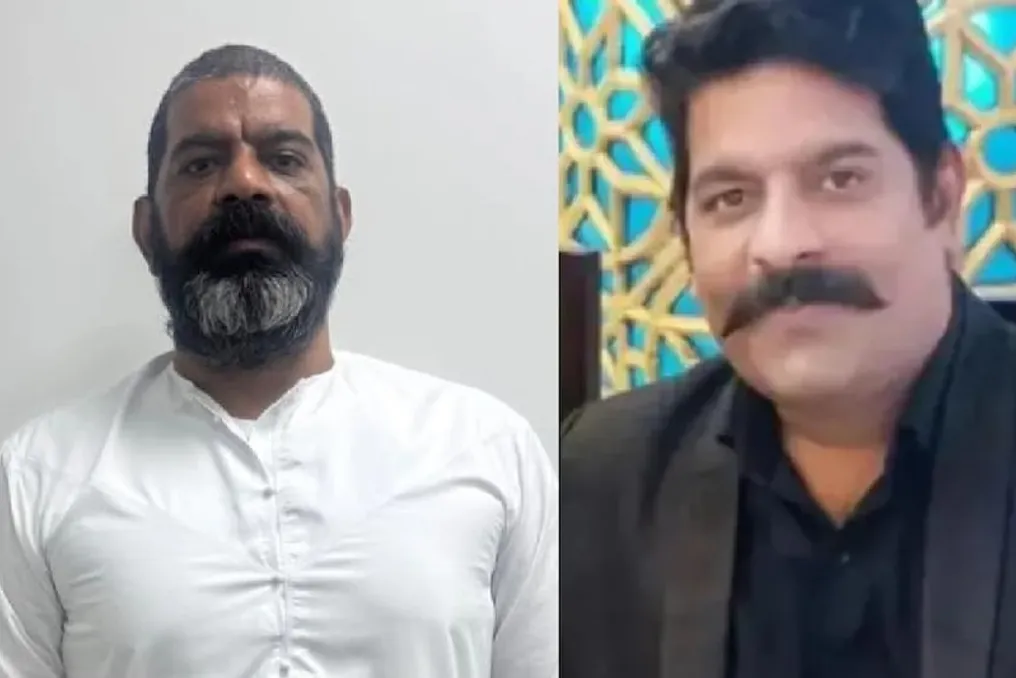
Wanted Virendra Basoy, figure in Rs 13 thousand crore drug case, extradited from UAE and held by NCB

The Pune court ordered that the suspect in the role of drug baron Virendra Singh Basoy be held in custody by the Narcotics Control Bureau (NCB) until August 21. Basoy was recently extradited from the United Arab Emirates (UAE) and was presented in the Pune court under heavy guard on Sunday.

Earlier, the Delhi court approved a three-day transit arrest warrant for Basoy at the request of the NCB so that he could be presented in the Pune court. The NCB requested six days of detention, while the defense side demanded only four days.

The prosecution informed the court that Basoy had been abroad for a long time and was involved in many drug-related cases. The investigative agency claims that he may play a key role in a large drug smuggling syndicate.

According to the prosecution, approximately 9,000 kilograms of mephedrone were seized in separate operations by the NCB and the police. Significant quantities of drugs were found in both Vishrantwadi (Pune) and Delhi. Many suspects are involved in this case, and the NCB intends to question Basoy about the roles of the other participants, the network, and fugitives.

Basoy's first mention appeared in 2024 in a case involving the discovery of 500 grams of mephedrone in Pune. Mephedrone is a synthetic stimulant also referred to colloquially as 'Meow Meow'. Following this expansion of the investigation, the entire drug smuggling network was examined.

The investigation revealed the seizure of about 867 kilograms of mephedrone from Pune and about 970 kilograms from Delhi, totaling approximately 1,837 kilograms of seized drugs. After the NCB unit in Mumbai took control of the case, Basoy was named the alleged leader of this syndicate, which managed the network from abroad and was involved in delivering batches of mephedrone from India to other countries.

Basoy's name also surfaced in a separate case handled by the Delhi Police Special Branch related to international cocaine smuggling. According to Niraj Gupta, Deputy Director of NCB Operations, Basoy fled to Dubai the day after the Pune police registered the case in 2024. He is described as the 'big boss' of drug trafficking, and an international Interpol warrant was issued against him in November 2025.

Federal Home Minister Amit Shah stated on Friday that the NCB succeeded in bringing Basoy back from the UAE, marking a 'new milestone' in the zero-tolerance policy towards narcotics. Basoy will now be questioned as part of the investigation into the drug syndicate and its associated suspects.

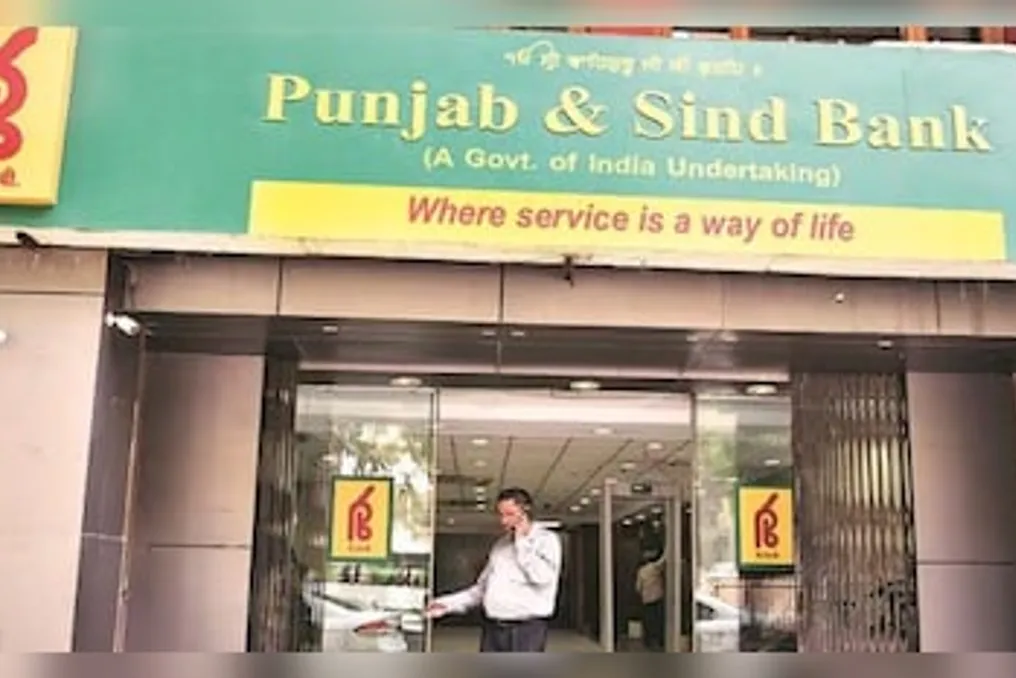
Punjab & Sind Bank considers QIP option to raise funds and reduce government stake
Read more
business-standard.com

Punjab & Sind Bank considers QIP option to raise funds and reduce government stake

Punjab & Sind Bank is exploring various ways to attract financing, including the use of the Qualified Institutional Placement (QIP) mechanism, to reduce its government stake and comply with the Reserve Bank of India's (SEBI) Minimum Public Shareholding (MPS) norms.

Currently, the government holds 93.85 percent of Punjab & Sind Bank shares, based in Delhi, which is the highest stake held by the Government of India in any public sector bank.

Swarup Kumar Saha, Managing Director and CEO of Punjab & Sind Bank, told PTI in an interview that the board of directors has approved raising funds through QIP and other methods as part of a phased reduction of the government stake.

He also specified that the bank has engaged brokers and legal consultants to implement this plan. This fundraising is expected to take place in the current financial year, depending on market conditions.

Furthermore, the bank plans to launch an IFSC Banking Unit (IBU) in GIFT City, Gandhinagar, by November of this year to establish an international banking presence. Saha noted that the bank has received the necessary regulatory approvals from both the Reserve Bank of India and the International Financial Services Centres Authority (IFSCA) for establishing the IBU.

According to Saha, the IBU will function as a foreign branch, opening up wide opportunities for expanding business in mobilizing non-resident foreign currency (Foreign Currency Non-Resident (Bank)) and external commercial borrowings. This will help increase the bank's balance sheet size and allow it to engage in foreign currency business.

The bank has already prepared personnel and selected an IT vendor, and IT system integration has begun, so the IBU is planned to launch by November.

It should be noted that the deadline for the special relaxation granted by the government to comply with MPS norms for central public enterprises and financial institutions expires in 2026 and is likely to be extended for another two years, as government entities will not be able to meet these norms in the current month.

Compared to Punjab & Sind Bank, three other banks have a minimum public shareholding below 25 percent: Indian Overseas Bank from Chennai, where the government stake is 92.44 percent; UCO Bank from Kolkata with a stake of 90.95 percent; and Central Bank of India from Mumbai with a stake of 81.19 percent.

Popular