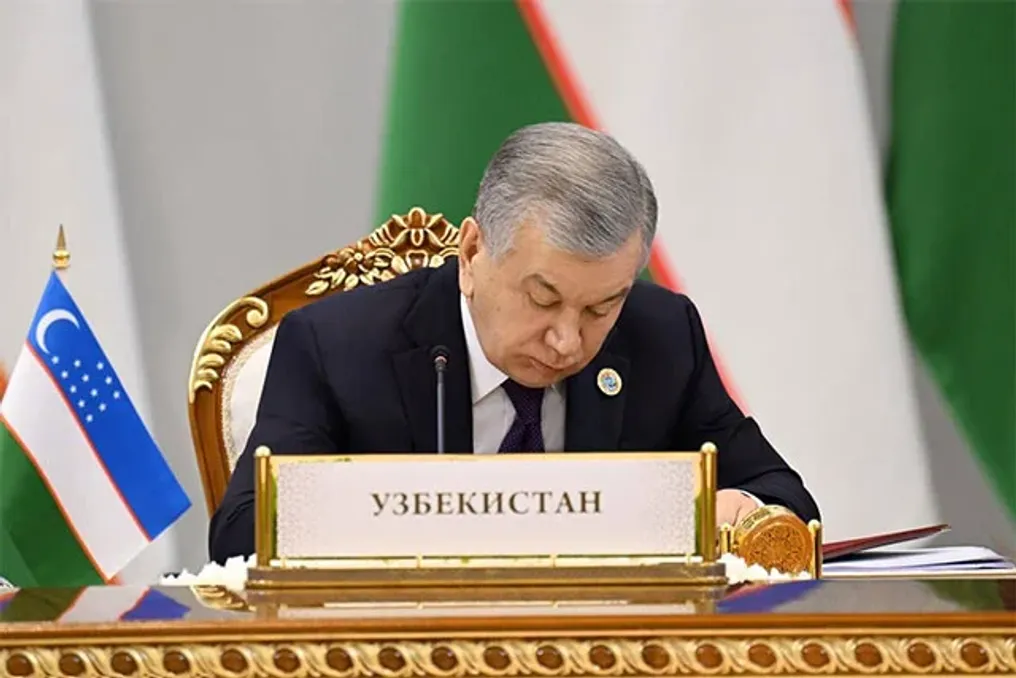
The President of Uzbekistan, Shavkat Mirziyoyev, signed a decree that introduces a temporary mechanism for enterprises to settle overdue receivables arising from foreign trade operations.
According to the document, the unpaid debts of commercial entities are attributed to global market instability, restrictions on external payments and bank transfers, as well as delays in fulfilling obligations by some foreign counterparties.
Debt Settlement Mechanism
As part of this nationwide initiative, which will be valid until January 1, 2027, private enterprises are given the option to repay overdue invoices using their own funds if assets from export operations have not been repatriated within the legally stipulated timeframe. This measure applies to debts incurred before the decree came into force, following the actual export of goods, works, or services for which payment was not received on time and which are reflected as overdue in the 'E-kontrakt' foreign trade information system.
Exceptions include legal entities where the state holds a stake of 50 percent or more, as well as organizations where such state structures hold a 50 percent or greater share.
Under the temporary rules, enterprises can close overdue balances by depositing foreign currency cash directly into their commercial bank accounts via bank tellers, without the need to present passenger customs declarations or powers of attorney. After receiving the funds, the overdue balance in 'E-kontrakt' is automatically reduced, and unclaimed penalties for failure to ensure asset repatriation are written off proportionally to the amount deposited.
It is important to note that the deposited funds will not be recognized as export revenue and will not fall under the preferential zero-rate VAT regime.
Easing Liability and Further Steps
The decree also provides for a reduction in liability for diligent measures taken to ensure asset repatriation. Starting from January 1, 2027, courts will reduce penalties for non-repatriation of assets by 50 percent if at least one of the following conditions is met: if the resident entity took all available measures to protect its rights, including filing lawsuits or arbitration claims; if more than 50 percent of the assets were repatriated; or if repatriation was restricted by international sanctions, foreign currency bans, or disruptions in the banking and payment system of the counterparty country (excluding cases of force majeure).
This reduction in liability does not apply to organizations with a state stake of 50 percent or more. The Supreme Court has been instructed to prepare amendments to the Currency Regulation Law within one month. The Business Ombudsman and the Chamber of Commerce and Industry are obliged to agree on an explanatory campaign plan within one week jointly with commercial banks, Customs and Tax committees, the Council of Ministers of Karakalpakstan, as well as regional and Tashkent municipal administrations.
The Tax Committee, together with the Customs Committee and the Central Bank, must submit monthly reports on the progress of the work to the Presidential Administration, and the final report must be submitted by February 1, 2027.