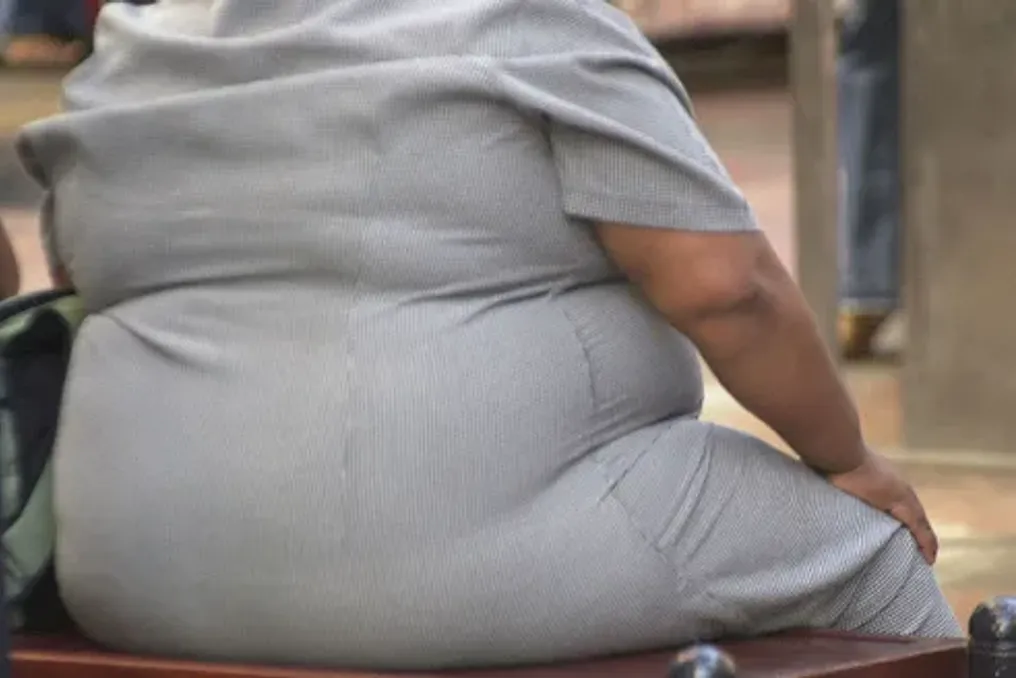
The population of South African Indian descent carries the highest burden of diabetes incidence among all groups in the country. The reasons for this problem lie in physiological characteristics, culinary habits, and lifestyle, with only two of these three components being outside human control.
In areas such as Chatsworth, Phoenix, Reservoir Hills, or Tongaat, relatives suffering from 'sugar' are very common in families—some take pills, others require insulin, and grandmothers may lose their sight, a finger, or a kidney. These issues are discussed in families as routinely as the weather.
Despite recognizing the seriousness of the situation, people have become resigned to what they should be condemning. A national health and nutrition review confirmed that people of Indian origin bear the greatest burden of diabetes. Local studies in Durban have documented this problem since the 1980s. The issue is not only the increase in the number of people developing diabetes but also that it develops earlier, occurs at a lower body weight, and damage manifests more quickly.
Hidden Threat
The most dangerous statement in the family is often: 'But I am not fat.' At the same height and weight, a South Asian body tends to accumulate more fat around internal organs—the liver, pancreas, and midsection—and less muscle mass compared to a European body. Muscles serve as a storage site for dietary sugar. Less storage space combined with more fat around the 'engine' leads to inefficiently functioning insulin. Doctors call this insulin resistance, which is the beginning of type 2 diabetes and starts long before changes appear in blood tests.
Thus, a thin person with a small belly and slender arms may be in greater trouble than a fuller neighbor. This is why international measurement standards have been adjusted for people of Asian descent: for them, obesity begins at a Body Mass Index of 23, not 25. Waist circumference is more important than the number on the scale—90 cm for men and 80 cm for women, rather than trouser size.
Ten Years Earlier
In other regions, a diagnosis at age 60 is considered insignificant. Here, it is made at forty and increasingly at thirty. This is not a technical detail; diabetes causes harm for its entire duration. A diagnosis at 38 means that by age 58, a person will be living with the disease for two decades—throughout their working life, children's weddings, and planned happy years. Eyes, kidneys, nerves, and arteries follow the same calendar.
Genes create the predisposition, and the cuisine triggers the process. Although we inherit a predisposition, it is not our fault. However, genes do not change over two generations; what has changed is what we eat and how we live: rice twice a day, roti alongside it, three spoons of sugar in tea, a box of sweets at every celebration, and a sedentary life—in the car, at the table, in front of the television.
There is another overlooked aspect—the stage before diabetes, which doctors call prediabetes or borderline blood sugar. In our community, this stage progresses to full-blown disease faster than in most others. Therefore, when someone is told: 'Your sugar is slightly elevated, monitor it,' this is not reassurance, but the last chance to avoid serious consequences, which most ignore.
What to Do This Week
It is necessary to measure waist circumference using a tape measure at the level of the navel after exhaling. If it exceeds 90 cm for a man and 80 cm for a woman, measures should be taken regardless of weight readings. You should undergo an HbA1c or fasting glucose test. These tests are available free at local clinics and affordably in most pharmacies. If anyone in the immediate family suffers from diabetes, the test should be done from age 35, and even earlier if the waist circumference exceeds the norm.
It is important to know exactly which indicator you received, as they are interpreted differently. HbA1c is expressed as a percentage: normal is below 5.7; borderline is from 5.7 to 6.4; diabetes is 6.5 and above. Fasting glucose is measured in millimoles per liter after an overnight fast: normal is below 5.6; borderline is from 5.6 to 6.9; diabetes is 7.0 and above. It is necessary to clarify which test was performed, record the result, and compare it next year. Any abnormal result should be repeated before a diagnosis is made.
You should build muscle mass, not just engage in cardio. Walking is beneficial, but two resistance training sessions per week—using weights, bands, or body weight—increase the 'parking space' for sugar. This is a step that our community almost entirely skips. It is also necessary to reduce starch intake. For blood sugar control, the main culprit is a mountain of rice and roti, not spices. Oil and ghee in a dish affect heart health and cholesterol more than sugar levels.
Important Information
Prediabetes can be reversed. Early diabetes in some people can be put into remission through significant weight loss. Even if this is not possible, proper management of the disease from the start distinguishes life with diabetes from disability due to it. All conditions described here are treatable, and almost all of them are detected years before they cause harm. The only thing that guarantees the worst outcome is the belief that it is someone else's problem: that you are too young, too thin, or too healthy for it.
You have a tape measure at home that will show whether this belief is correct. Start with that this week.
Questions for the Doctor
In response to the question of whether to start taking insulin, Dr. Jay Matthew explains that the sequence of events in the family is mistaken: insulin did not cause complications. It was started late, after many years of poorly controlled sugar, by the time eye and leg damage had already occurred. Type 2 diabetes progresses: over time, the pancreas cannot cope. The need for insulin is a stage of the disease, not a sentence or punishment for failure. Starting treatment upon a doctor's recommendation is a protective measure; starting three years later is what deprives people of their sight.