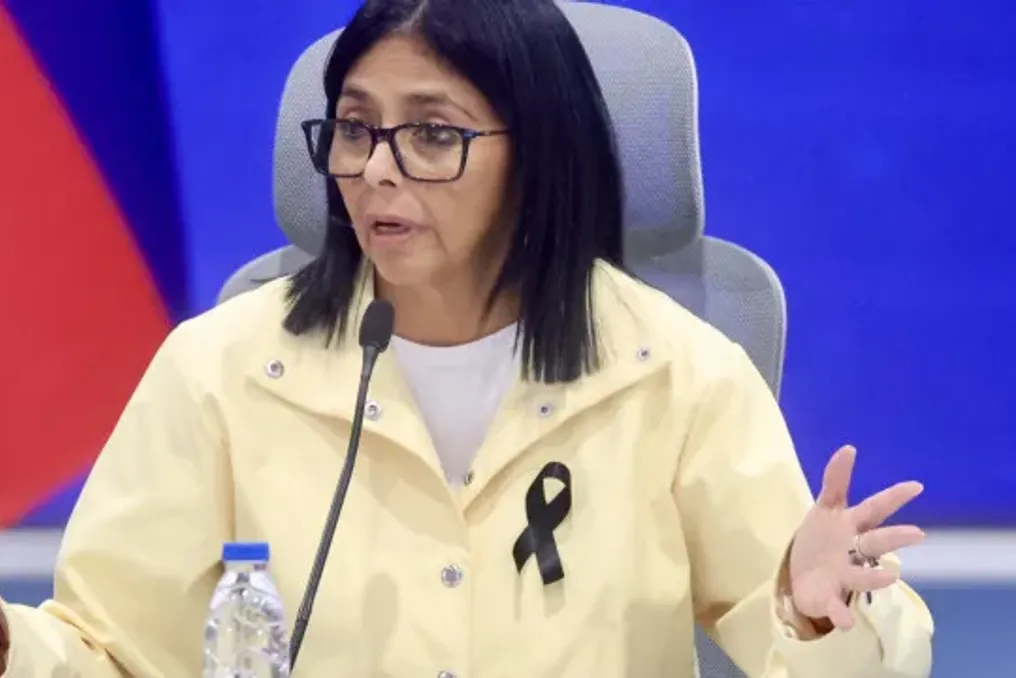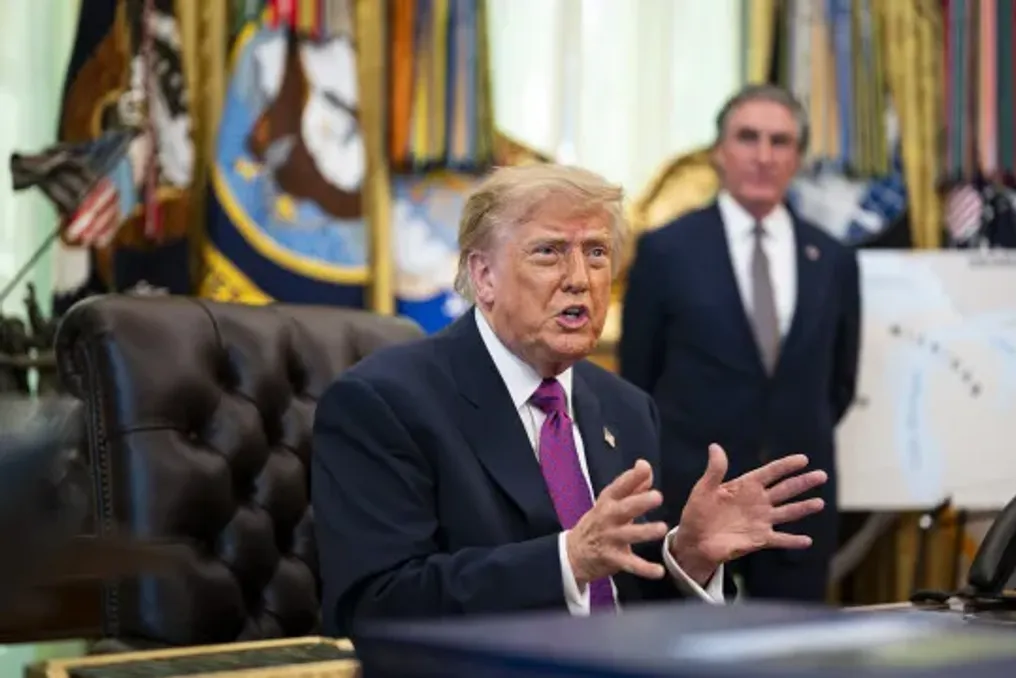
In a social media post on Friday, Trump announced that the United States had closed a deal with Venezuela regarding the largest oil pact in global history. This agreement was reportedly negotiated by Secretary of State Marco Rubio, Secretary of Defense Pete Hegseth, and interim Venezuelan President Delcy Rodríguez.
The Republican president stated that this historic transaction would not only double U.S. oil reserves but also considerably increase American oil supply and result in a substantial decrease in gasoline costs for all American citizens in the long term.
This announcement comes almost nine months after US Armed Forces, following Trump's orders, conducted an operation to arrest Venezuelan President Nicolás Maduro and transport him to the United States, where he would face federal charges of narco-terrorism and drug trafficking.
Trump is under increasing pressure to resolve the issue of high gasoline prices, parallel to the conflict in Iran, which has lasted six months without prospect of ending. US strategic petroleum reserves fell to less than 300 million barrels at the beginning of August, representing a drop of over 100 million barrels since the beginning of 2026.
After Maduro's deposition in January, Trump had suggested that American oil companies resume exploration of Venezuelan reserves. He argued that Venezuela had appropriated American oil during the first decade of the 2000s, when former President Hugo Chávez nationalized hundreds of foreign assets, including those of American oil companies.
Venezuela holds one of the world's largest oil reserves, estimated at 303 billion barrels of crude, which accounts for approximately 17% of the global supply, according to data from the U.S. Energy Information Administration. Experts point out that, unlike other regions, Venezuelan underground reserves are largely mapped and known.
However, due to the country's precarious infrastructure, Venezuelan production reaches only about 1% of globally produced oil.