With the start of the academic year, as over a million students return to schools across the UAE on August 31st, parents are actively seeking ways to ensure safe and affordable transportation for their children to educational institutions. Parents have various options available, including school buses, shared minivans, carpooling, and public transport.
However, the choice is not always easy, as families must consider rising fuel prices, road congestion, and limited parking spaces near schools. At the same time, transport operators are adjusting their tariffs, new shared options are emerging, and authorities are running safety campaigns to facilitate the transition into the new school year.
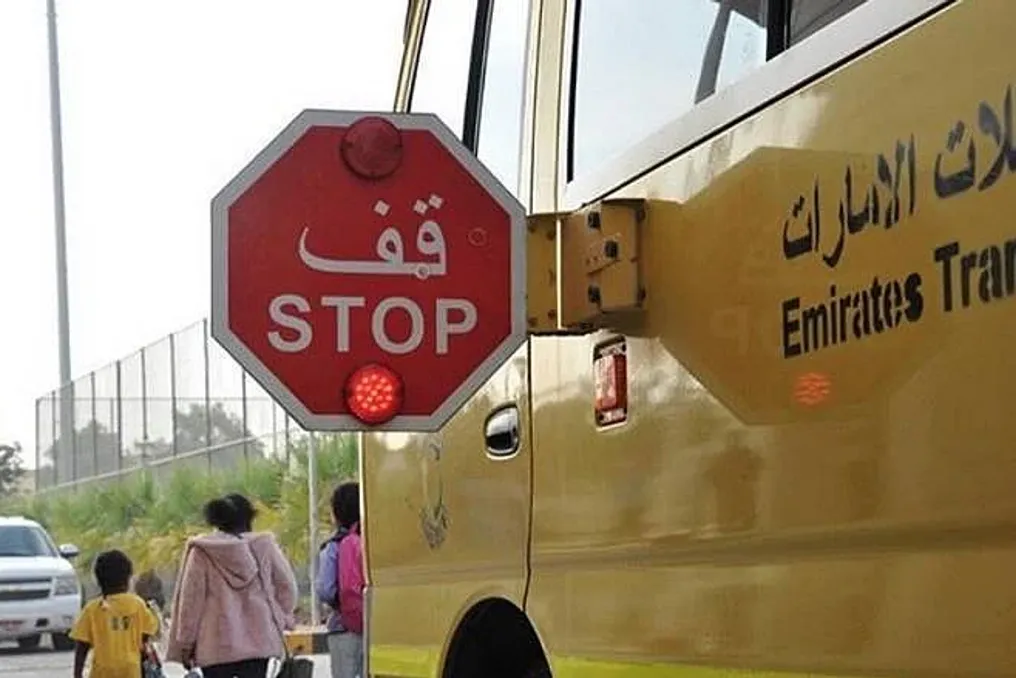
School buses remain the most common choice for many students. Thousands of such buses operate on the country's roads. Among the largest operators are STS, which services over 1900 buses, and Dubai Taxi Corporation, which manages more than 1200 vehicles. Additionally, Arab Falcon Bus Rental operates a fleet of about 400 buses in Dubai. Some parents note that various operators have increased the cost of school bus services this year for several reasons.
Arab Falcon confirmed changes to its tariffs, citing increased costs for fuel, vehicle maintenance, and personnel. A company representative noted high demand before the start of the academic year. Farah Shah, Head of Operations and Transport at the company, commented: 'One trend we continue to observe is families registering very close to the start of the academic year, which can complicate route planning.' She also added that growing residential construction in Dubai is reflected in transport demands, as families increasingly require services from new and expanding areas, necessitating annual review and adjustment of routes.
The cost of school bus transport varies significantly depending on the location and specific schools, with the overall expense range being from 3500 to over 10,000 dirhams per student annually.
One of the pilot projects launched by the Roads and Transport Authority (RTA) last year was an initiative for shared student rides. This project is currently operating in Al Barsha in partnership with Yango Group and Urban Express Transport, grouping students from one area who attend different schools into shared vehicles.
Dr. Mohammed Al Hashimi, CEO of Urban Express Transport, stated the growing interest in flexible and shared mobility models. He noted the significant potential of the concept as parents become accustomed to this model. He also reported that they decided to maintain previous prices despite a substantial increase in fuel costs. 'We view this project as an important long-term initiative, and at this stage, our priority is to make the service attractive and affordable for parents,' he said.
Within the pilot phase, the service costs 1000 dirhams per month. Furthermore, many parents join school and community groups to find other parents for carpooling. Earlier this year, a Dubai student launched the free platform Community Carpool, which helps people find like-minded individuals with similar daily routes to coordinate trips. This platform does not use apps; contact details are exchanged only with mutual consent. Users input their routes, and the site notifies them if a match is found. Over 300 users across the UAE utilize this platform to find ride-shares.
The platform itself is free, and parents only pay for fuel if they find a carpooling partner.
A popular mode of transport for university faculty and students is the smart shared minivan initiative launched by RTA in 2024. It allows users to book seats in shared minivans circulating through several areas, including Business Bay, Barsha, Murreef, and Al Quoz.
Matthew Mould, Managing Director of DrivenFlex, which provides shared bus transport services for university students and teachers, reported a significant increase in demand. He noted: 'We have observed a noticeable rise in demand as the new academic year begins, especially among new teachers settling into the city and university students starting or returning to classes.' He also highlighted the social aspect: 'Besides practical savings, there is a social element—many passengers enjoy the opportunity to travel with colleagues or classmates rather than traveling alone.' Monthly passes average 500 dirhams, equating to approximately 12 dirhams per trip.
Public transport, including the metro and buses, is one of the most reliable ways for high school students to get to school. A Dubai student, Mohammed Ashfaq, takes the metro from his school in Al Twar to Emirates Mall, then catches a feeder bus home in Jumeirah. The journey takes him about an hour and a half. He shared that he enjoys the trip: 'I have friends I travel with every day, and we have time to chat on the metro.' Since everyone has a 'nol' student card, the cost is split in half. Sometimes on the way to the metro from school, they stop to eat ice cream or shawarma. For them, it's a way to relax after a day of studying.
Mohammed's trip costs 3.75 dirhams per trip, equivalent to approximately 150 dirhams per month.
Authorities have implemented extensive measures to ensure student safety during the return to school period. RTA is conducting a 30-day inspection campaign for school buses, checking safety standards and operational procedures. Dubai Police will deploy additional patrols and traffic regulators on key school routes.
The Ministry of Interior launched its annual 'Day Without Accidents' campaign on August 31st, urging drivers to register, sign a safety declaration, and drive without violations in exchange for having four black points removed from their driving license. Thomas Edelmann, founder of RoadSafetyUAE, emphasized that parents themselves play a crucial role in ensuring children's safety. He stated: 'Children mirror and follow their parents' behavior.' He strongly urged parents to set an example of good, safe, and responsible conduct. He also advised parents to start dropping off earlier to reduce stress and to behave responsibly near schools. Furthermore, he highlighted the environmental and safety benefits of school buses, which can replace up to 50 cars and reduce traffic congestion.