The City of Cape Town administration is increasing control over electric mobility devices along the Sea Point promenade due to growing concerns about unsafe riding.
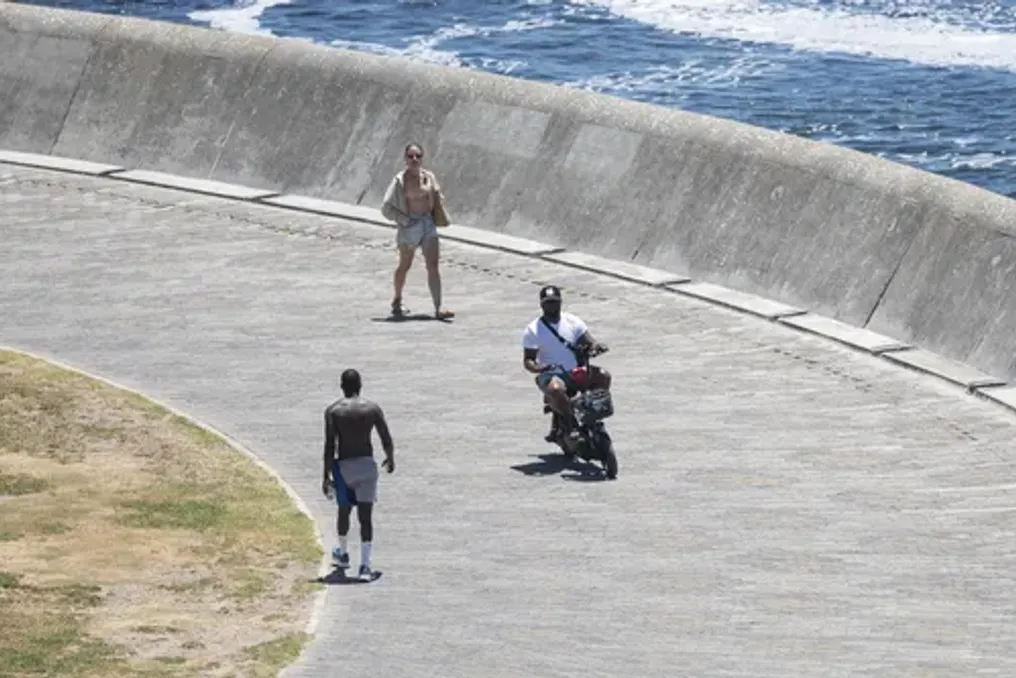
New rules, announced on August 7, establish clear boundaries and strict penalties for violators. Operators of electric devices are required to adhere to a speed limit of 8 km/h in all shared pedestrian areas. The city unequivocally states that pedestrians always have priority.
Francesin Heym, a member of the Public Services and Health Council, noted that the promenade serves as a recreational area for pedestrians. She emphasized that while Sea Point is one of Cape Town's most beloved public spaces, it has also become one of the busiest. As the number of electric mobility devices grows, so do safety issues, and the responsibility lies in ensuring everyone can safely enjoy the promenade, especially children, the elderly, and people with disabilities.
The city's Department of Recreation and Parks is finalizing the development of new navigation systems that will define the 8 km/h speed limits and drop-off zones by the end of August.
What will happen to rental operators?
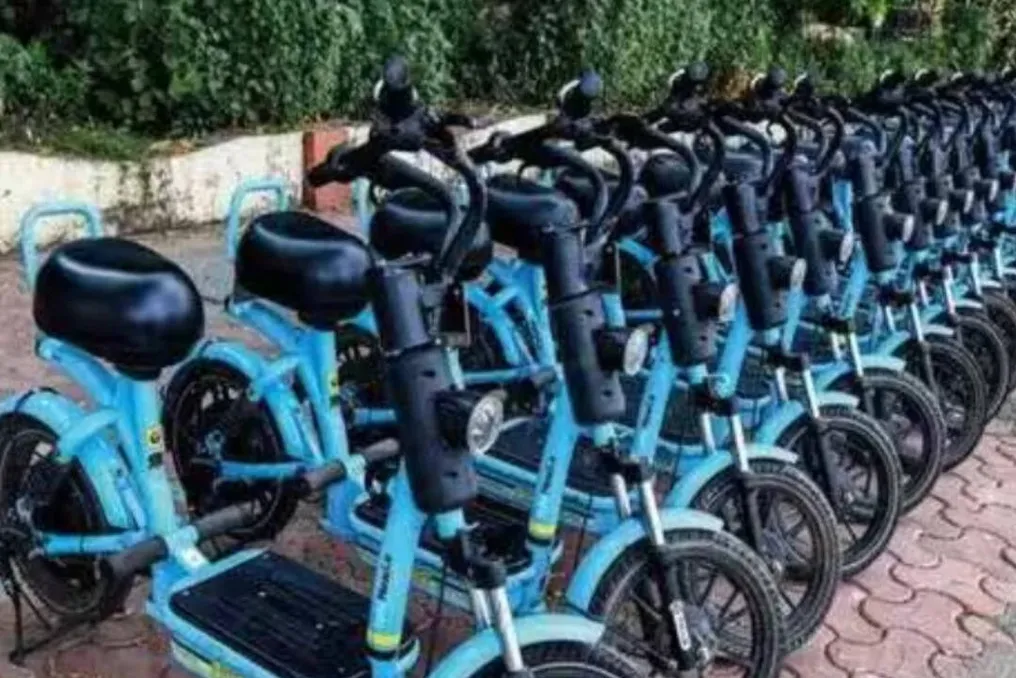
By September, the city will begin implementing a formalized compliance process directed at commercial fleets. Rental companies must ensure that their devices are equipped with verifiable speed controllers and clear operator identification. Furthermore, the city requires operators to implement responsible rental practices, create incident reporting protocols, and maintain comprehensive civil liability insurance.
Operators continuing to use the promenade without official permission must bring their operations into compliance within the specified timeframe or face immediate enforcement action. The city is also finalizing technical requirements for powerful electric rental devices, setting strict limits on weight, passenger capacity, and maximum speed. Officials will soon consider limiting the total number and location of rental operators to reduce congestion in the busiest sections of the Atlantic coast.