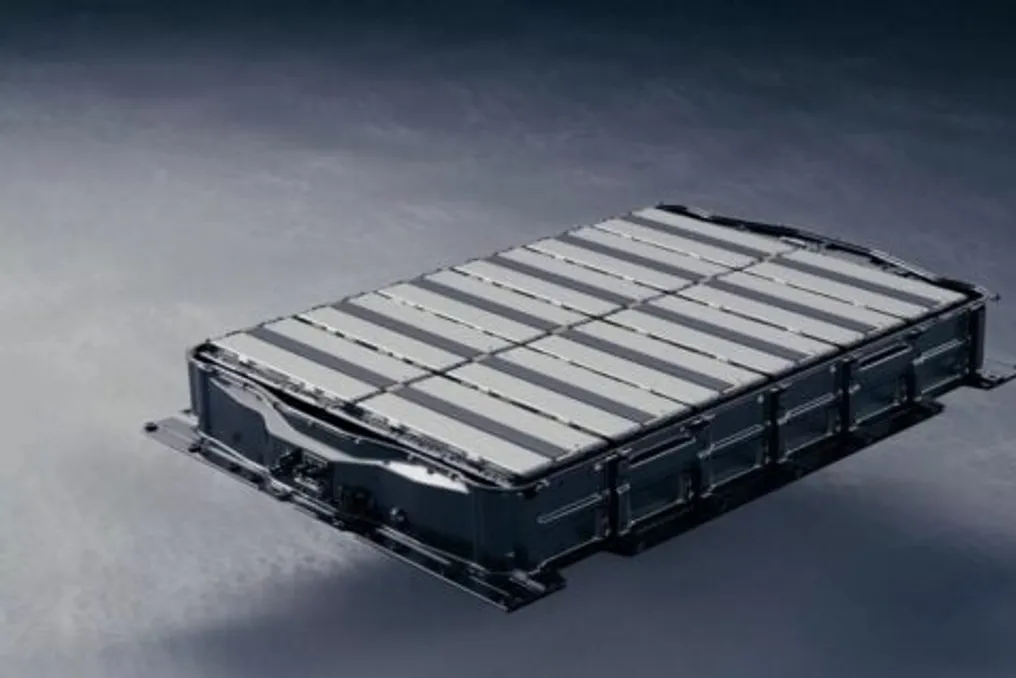
The rapid progress of electrification in the automotive sector is encountering a major logistical and structural hurdle: the lack of appropriate infrastructure to collect, transport, and treat the future volume of batteries that will reach the end of their useful life.
While the global industry focuses on the large-scale manufacturing of new vehicles, managing accumulated waste faces considerable operational and technological barriers. The most common batteries on the market are classified into nickel-manganese-cobalt (NMC) and lithium iron phosphate (LFP) chemistries.
NMC batteries are attractive to recyclers due to the high commercial value of their precious metals, while LFP provides a lower financial return during disassembly. This situation is complicated by recent construction innovations, such as 'blade' structural architectures, which significantly hinder the physical handling of parts in factories.
In addition to inherent chemical complexity, the transportation of these components constitutes a serious practical impediment for the sector. Because they are classified as hazardous materials—due to their high weight and severe risk of thermal runaway—they require specific steel containers, highly specialized logistics, and very high-value insurance policies.
Currently, the operational costs to collect degraded blocks at points of sale and send them to processing centers often exceed the economic value of the recovered materials.
To mitigate this impact before final recycling, units that lose dynamic efficiency can be reused in static energy storage systems intended for electrical grids and power plants. When wear prevents any reuse, the industrial process proceeds to completely fragment the components, creating a 'black mass.' From this mass, advanced chemical methods can extract essential elements with high efficiency, reintegrating them into the production chain under increasingly rigorous and monitored international regulations.
This scenario echoes old problems related to the overproduction of mobility solutions. At the beginning of the 20th century, large urban agglomerations dealt with the accumulation of equine waste. The combustion engine replaced manure with high levels of carbon dioxide in the atmosphere; the next challenge will be battery disposal.