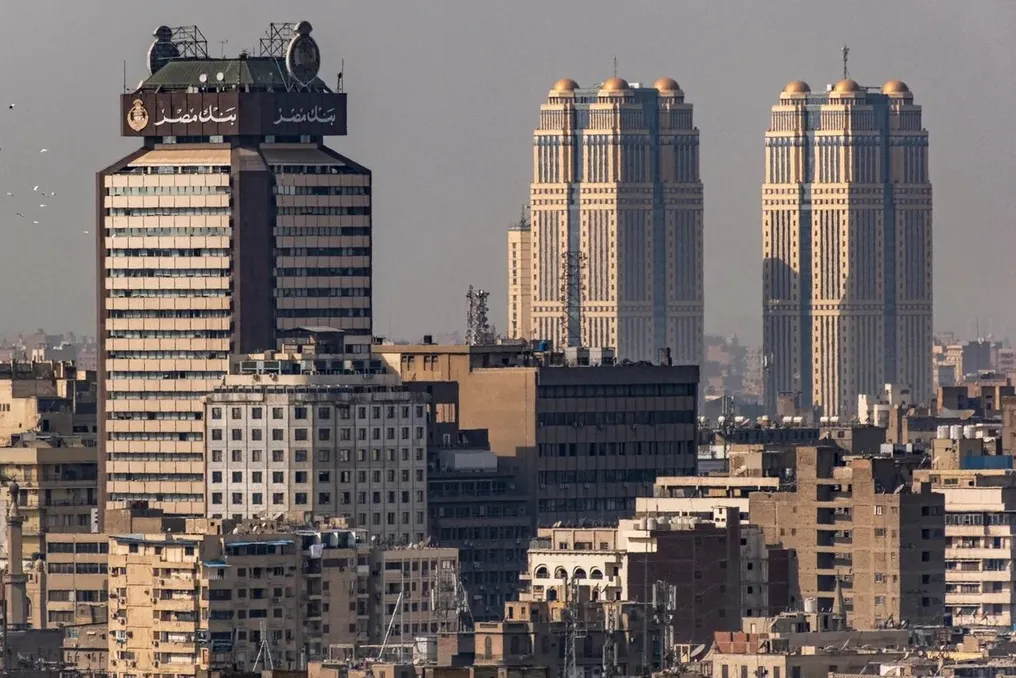
The U.S. Department of the Treasury announced on Friday plans to disconnect the branches of Banque Misr in the United Arab Emirates from the global financial system. These steps are being taken by the Trump administration in an attempt to 'strangle' entities that the administration claims are 'assistants' to Iran.
Banque Misr is Egypt's second-largest bank. Under the new plans, its branch in the Emirates will no longer be able to conduct transactions in US dollars starting September 28.
A 30-day period has been opened for public comments, during which the U.S. government requests supporting or opposing statements that may influence the decision.
The Financial Crimes Enforcement Network (FinCEN) of the U.S. Department of the Treasury proposed a rule that revokes Banque Misr UAE's access to correspondent banking services of American financial institutions. The Treasury estimates that Banque Misr UAE serves as a critical node for the Iranian regime's access to the US dollar.
On Monday, the Treasury announced 'Operation Economic Outcast' as part of Washington's efforts to pressure Iran amid tensions around the Strait of Hormuz.
The Treasury stipulated that U.S. banks must 'take reasonable measures not to process a transaction through a correspondent account in the United States of a foreign banking institution if such a transaction is related to Banque Misr UAE, and apply enhanced due diligence to their foreign correspondent accounts.'
Friday's announcement also drew attention to the Bank Melli branch in Dubai, as the US sanctioned its manager, Reza Mohammad Taedi. Bank Melli is a major Iranian commercial bank that previously served as its central bank before the 1979 revolution and has branches in Europe and the Middle East.
The Treasury noted that 'Bank Melli served as a critical financial hub for the Iranian armed forces, including the Islamic Revolutionary Guard Corps – the Host Forces and the Ministry of Defense and Logistics of the Armed Forces, both of which are under US sanctions.'
Furthermore, the announcement introduced sanctions against Kameng Trading Limited, based in Hong Kong. The Treasury stated that the 'sanctioned Iranian exchange Pedram Pirouzan Exchange House, also known as Opal Exchange, used Kameng Trading Limited to launder money for Iran.'
When asked on Monday how these sanctions might affect Washington's relations with China, given Beijing's close partnership with Tehran, Scott Bessent replied: 'We believe that the best way to engage with countries is through quiet diplomacy, and we set expectations with all countries.'
China is the largest recipient of Iranian energy exports, and it is expected that Chinese President Xi Jinping will make a state visit to the White House next month.