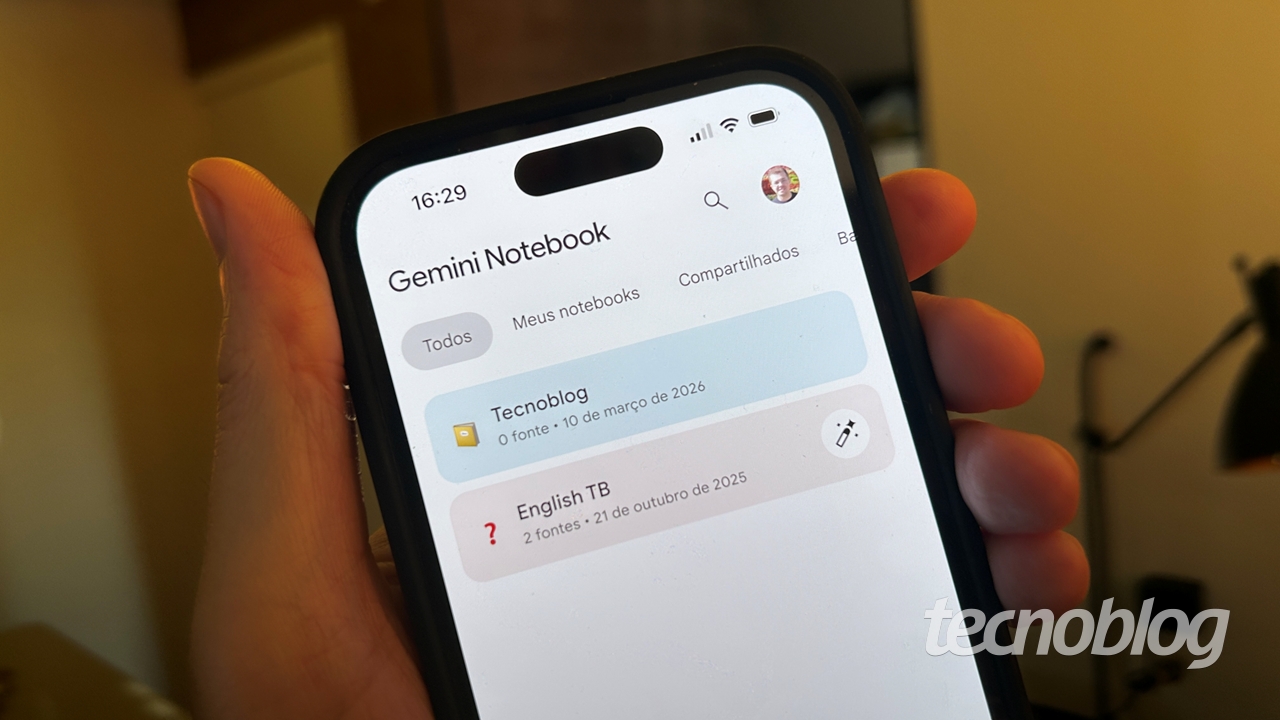
Users of Gemini Notebook, formerly known as Google NotebookLM, should be aware of changes to the tool's usage limits, which will be implemented starting September 2nd. Although the new policy applies to all users, those with paid plans will receive broader quotas.
Google clarifies that it is implementing 'flexible and specific computation usage limits.' This implies that the new system is not based solely on the number of interactions made by the user, but rather on the complexity or extent of each activity performed.
In practice, this means the limit may be reached more quickly if the user performs few, but highly complex tasks. Conversely, if the user executes many less complex tasks, the limit tends to be prolonged.
Google assures users that they will maintain access to all the features they use and appreciate, stating that this change will offer greater freedom to manage and utilize their limits.
It is important to note that Google does not specify the exact value of the computational capacity available to the user. Instead, the company discloses relative limits for each contracted plan.
When a user approaches their limit, a notification will be displayed just below the question field. If the limit is exceeded, Gemini Notebook will present suggestions for alternative actions, such as rescheduling the creation of certain content (whether a video or a slide presentation), including allowing automatic scheduling.
Google itself emphasizes that limits are reset every five hours, unlike the daily standard found in other artificial intelligence tools. However, these renewals must respect a weekly cap; if this weekly limit is reached, it cannot be renewed until the beginning of the next weekly cycle, unless the user changes plans (if this option is available for their account).
The new parameters for Gemini Notebook come into effect on September 2, 2026, both in the web version and in the tool's applications.
Gemini Notebook functions as a smart digital notebook for notes, being a generative artificial intelligence service designed to assist the user in organizing, synthesizing, summarizing, and accessing specific information. It is particularly advantageous for students or professionals dealing with large volumes of data, as besides processing text, the tool can handle data in formats such as audio (podcasts), videos, or custom slides.