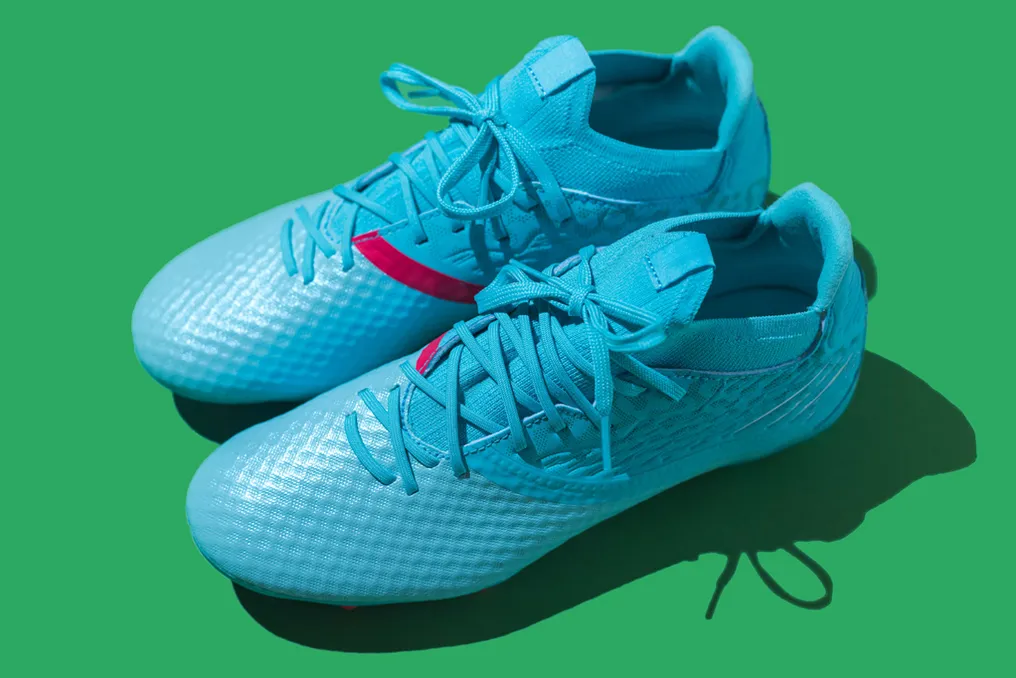
The process of softening athletes' cleats before crucial games can be done in several ways. The most common method uses a shoe stretcher, a simple accessory composed of molds of various sizes that replicate the foot's shape, usually made of wood or metal. These molds are inserted into the cleats for a few days so that they adapt to the foot.
In larger clubs, more advanced machines are used. Among them, the 'cleat steamer' stands out, which consists of a compartment with supports at the base, where the footwear is placed as if it were containers in a dishwasher. This treatment with heat and humidity lasts only a few minutes and helps soften the footwear.
There are also specialized ovens for cleats, where heat does the work of softening the material; however, without the addition of steam, the footwear does not come out damp, making this option advantageous for those who play in cold climates.
Although the primary care of the cleats is the responsibility of the player himself, the kit man's team also plays a fundamental role, as this professional is in charge of the club's uniforms and equipment. In smaller teams, the situation can be more informal, with reports that the kit man himself puts on the athletes' cleats to soften them.
There are also home remedies to increase the internal space of the cleats, such as using hair dryers or hot water. However, caution must be exercised not to damage the footwear, since structural adhesives can be compromised and, in natural leather models, the material can become soaked and crack after drying.
Currently, some professional players seek more than just softening the footwear, performing additional customizations, such as adjusting the position of the sole studs and making modifications to the heel and tongue of the cleat. This extra comfort contributes to performance during the game and helps prevent injuries.
This topic is especially relevant in women's football, given that most cleats available on the market are designed for male anatomy, which differs from female anatomy. A survey conducted in 2023, coordinated by the European Clubs Association, revealed that 82% of active female players on the continent felt discomfort wearing such cleats.