Mongolia Summit Concludes Without Global Drought Agreement
Read more
Noticias ao Minuto
noticiasaominuto.com

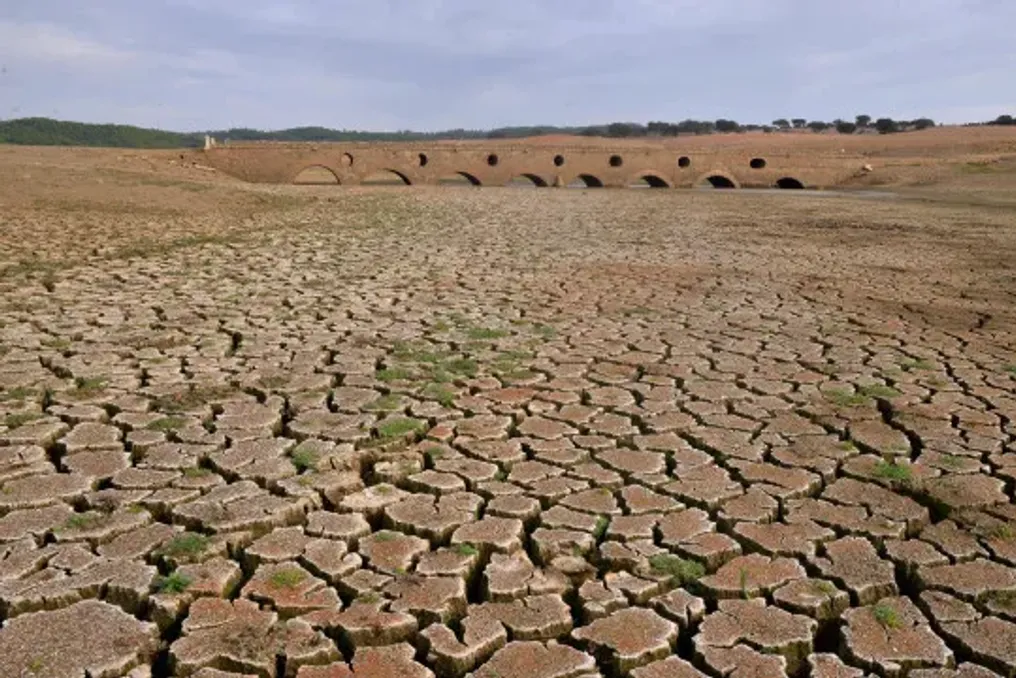
Mongolia Summit Concludes Without Global Drought Agreement

Following intensive negotiations, participants, including 196 countries and the European Union, decided to postpone the adoption of a global agreement on the drought issue until the next summit, which will take place in Egypt in 2028.

In Mongolia, funding amounting to $1.3 billion, predominantly state-backed, was secured for land restoration and increasing drought resilience in 23 countries. The majority of these investments are earmarked for improving pastures.

The UN forecasts that land degradation already affects 40% of the planet's surface. If measures are not taken to halt this process, an additional 11% of land will be degraded by 2050, equivalent to the territory of South America, leading to serious consequences for climate, biodiversity, and food production.

According to United Nations data, global drought has increased by 30% since 2000 and is projected to affect three-quarters of the world's population by 2050.

As part of the fight against this problem, an investment fund for drought resilience was launched at the summit. This fund aims to attract $400 million (343 million euros) in private capital to support projects.

Mongolia's Minister of Environment and Climate Change, Sandag-Ochir Tsend, stated at a press conference following the summit that combating land degradation, desertification, and drought globally requires more funds—around $355 billion (304 billion euros) annually, rather than the $77 billion (66 billion euros) currently mobilized.

The 17th Conference of the Parties to the UN Convention to Combat Desertification (COP17) took place over two weeks in Ulaanbaatar, the capital of Mongolia.
Similar stories

Mongolia calls for action at COP17 opening on desertification issue
Read more
noticiasaominuto.com

Mongolia calls for action at COP17 opening on desertification issue

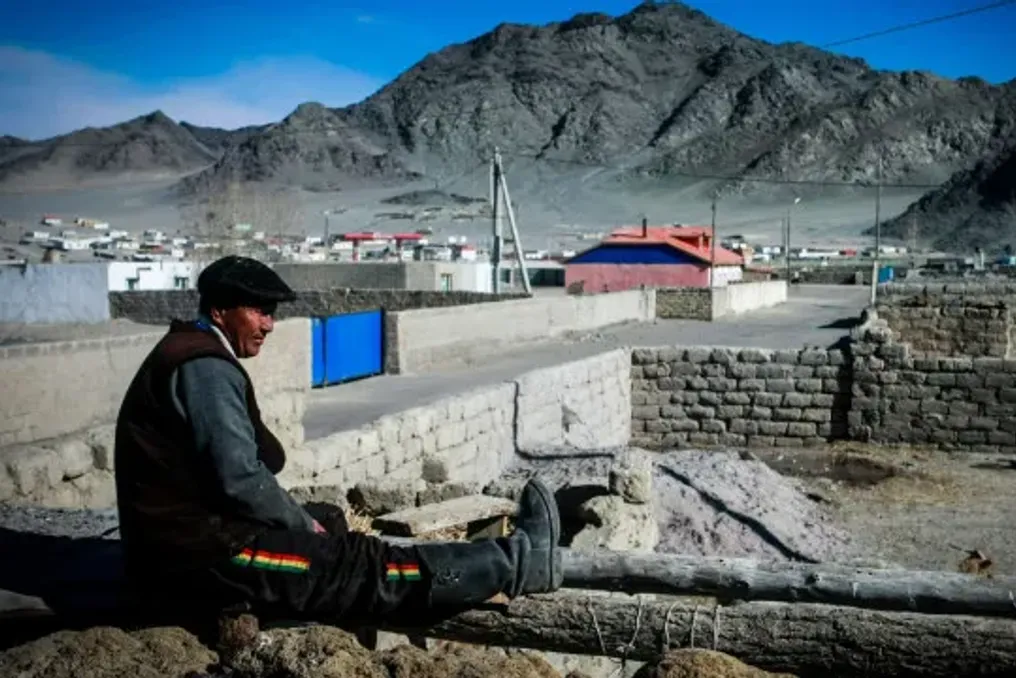
During the opening ceremony, Nyam-Osorn Uchral called on summit participants to take 'concrete actions' so that the meeting does not turn into a repetition of past declarations. She noted that about 80% of Mongolia's territory already suffers from soil degradation.

Uchral insisted on achieving tangible progress, proposing increased investment in land restoration, giving pastoralists and local communities a central role in decision-making, and focusing on science and innovation to develop real solutions.

Under the slogan 'Restore the Land. Restore Hope,' this conference is the first of three major environmental summits planned for this year. It gathered over 10,000 participants, including delegates from 197 convention members, with the aim of finding solutions for interconnected problems of desertification, soil degradation, and drought.

In her opening speech, the Executive Secretary of UNCCD warned that soil degradation and drought 'are not distant environmental problems,' but are already affecting food production, access to water needed by communities, and economic sustainability.

Yasmin Fuad emphasized that COP17 must be a 'summit of implementation,' as the world lacks the solutions themselves, but rather the ability to implement them on a large scale. She also strongly urged Ulaanbaatar to mobilize political leadership, investments, and necessary partnerships to move 'from commitments to measurable results on the ground.'

According to UN data, soil degradation affects up to 40% of the world's land, negatively impacting billions of people worldwide. This problem generates 'long-term consequences for food production, water availability, livelihoods, and economic stability.' In total, up to 3.2 billion people globally suffer from soil degradation, drought, and sandstorms.

The conference, which runs until the 28th, includes four thematic days dedicated to financing, water, the link between land and people, and food and soil health systems. Discussions at the ministerial level are scheduled for the second half of the week on issues such as innovative financial mechanisms to ensure healthy lands, drought resilience, and pasture restoration and pastoral community well-being.

Popular