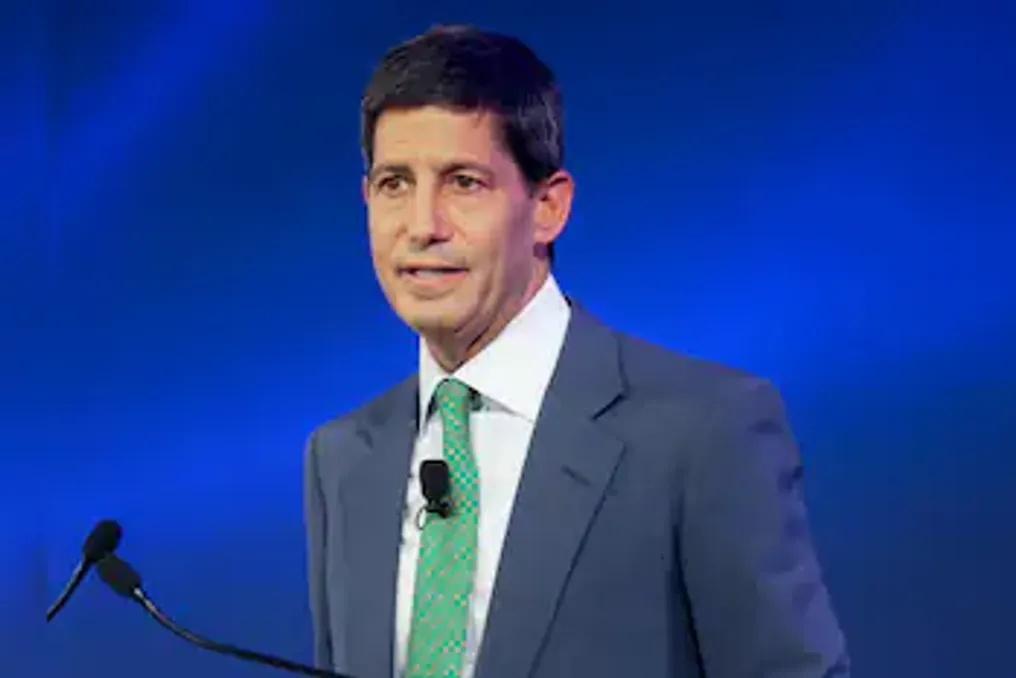
Federal Reserve Chairman Kevin Warsh warned that inflation is not showing significant deceleration and stressed that regulators must be confident in this, otherwise the central bank will have work to do.
Diverging Views Among Experts
In his extensive speech, the first since taking office as central bank chairman in May, Warsh reaffirmed that policies will bring inflation back to the 2% target, which he called a firm and unwavering goal.
In remarks prepared for the annual Federal Reserve conference in Jackson Hole, Wyoming, on Friday, Warsh stated: "My standard is this: we must be confident that core inflation is moving toward our target, clearly and at a sufficient pace. Otherwise, we have work to do. That is our job."
He added that current financial conditions are not restrictive, and interest rates represent the Fed's "primary tool" for achieving its mandate. Warsh noted: "Although PCE and CPI figures this summer were better than expected, they do not tell me that underlying trends have significantly improved." He continued: "Market prices show confidence that we will ensure price stability. And I can assure you, they are right."
Furthermore, Warsh stated that since inflation exceeds 2%, "the Fed's primary focus right now must be the price issue." His long-awaited statements came amid criticism of his simplified communication strategy, which, according to economists and market participants, does not provide clarity regarding short-term economic and monetary policy prospects.
Speaking, Warsh went beyond previous statements, providing his view of the economy and the priorities of the Fed's policy under his leadership. He emphasized: "Let's be equally clear about the other aspect of the goal: price stability does not happen by itself, and inflation does not necessarily return to the average. The Fed's job is to ensure stable prices."
Economists disagree on whether the Fed will need to raise interest rates in the coming months to curb inflation, which continues to fluctuate above the central bank's 2% target.
At the July policy meeting, the Fed kept interest rates unchanged. However, meeting minutes showed that several officials advocated for rate hikes, and many pointed to the need for policy tightening if inflation does not begin to decline.
Warsh faced sharp criticism for his performance at the post-meeting press conference, where critics argued that he failed to explain the reason for the committee's decision to keep rates unchanged. He also avoided any hints that the committee might need to raise rates in the coming months and suggested that the Fed's inflation target could be changed.
Investors reacted by pushing long-term bond yields almost to two-decade highs, which may indicate a decrease in confidence in the Fed's commitment to its 2% inflation target. The July vote was the fifth consecutive time officials decided to keep rates unchanged after three cuts at the end of 2025.
Since that decision, new data generally points to a slowdown in economic activity, which should reduce pressure on the Fed to raise rates. Retail sales in July fell more than in over a year, and core inflation was moderate. Simultaneously, employers unexpectedly cut jobs in July, and hiring for the previous two months was revised downward.
Investors reacted to this by lowering expectations for rate hikes this year. According to federal funds futures as of Friday morning, the probability of a September hike decreased by approximately 36% from 70% at the end of July.