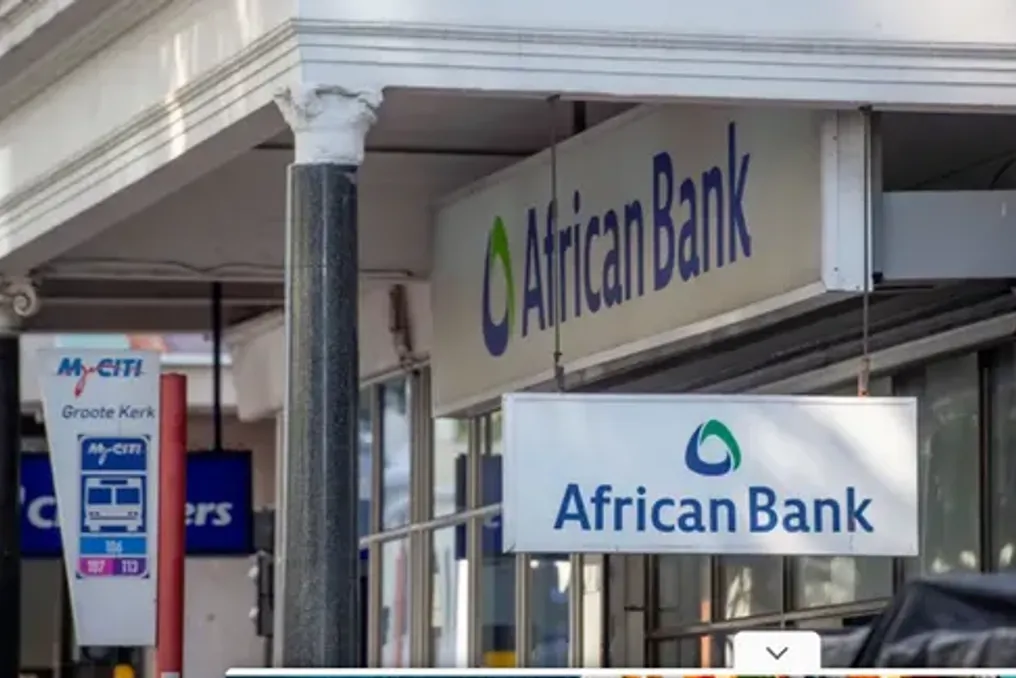
African Bank has officially appointed Zveli Manyathi as the permanent Group CEO after receiving approval from the Prudential Authority. This decision comes as the bank faces financial difficulties and is considering a restructuring that affects both employees and bank branches.
The bank confirmed this appointment in a SENS announcement on Wednesday. The company specified that Manyathi's appointment is a result of the current review of the bank's board and committee structure, as well as the succession planning process.
Manyathi's experience in the banking sector
Manyathi has been with African Bank since 2022, when he joined as Executive Director and Head of Business and Commerce. He holds a Bachelor of Commerce (B Com) (Hons) in Financial Management from the University of South Africa (UNISA). Furthermore, he completed the Senior Executive Program (SEP) at Wits and Harvard business schools, as well as the Professional Development Program (PDP) at City University of New York.
The bank noted that Manyathi possesses over forty years of experience in retail, business, and commercial banking, along with extensive experience in strategic leadership, turnaround, and transformation. Previously, he served as the General Manager for Business and Commerce at Standard Bank and held several senior roles at FNB, including General Manager of Retail Banking and General Manager of Corporate Banking.
Financial pressure on African Bank
Manyathi's appointment occurs against a backdrop of increasing pressure on African Bank to cut costs. The bank reported a loss of R624 million over the six months ending March 2026. Additionally, the bank is examining staff reduction under Section 189A, which could potentially affect 1200 employees and lead to the closure of 90 branches.
The proposed job cuts have met strong opposition from trade unions. Sasbo and COSATU have urged the bank to consider alternatives to layoffs and retain jobs. COSATU representatives stated earlier this month that 'over the past two years, African Bank has actively acquired companies, including Ubank, Grindrod Bank, Sasfin Capital Equipment Finance, and Commercial Property Finance. Now, following a loss of R624 million for the half-year ending March, it is clear that its acquisition strategy was poorly conceived.'