Bilateral trade turnover between Uzbekistan and India reached $598.1 million
Read more
UzDaily
uzdaily.uz

Bilateral trade turnover between Uzbekistan and India reached $598.1 million

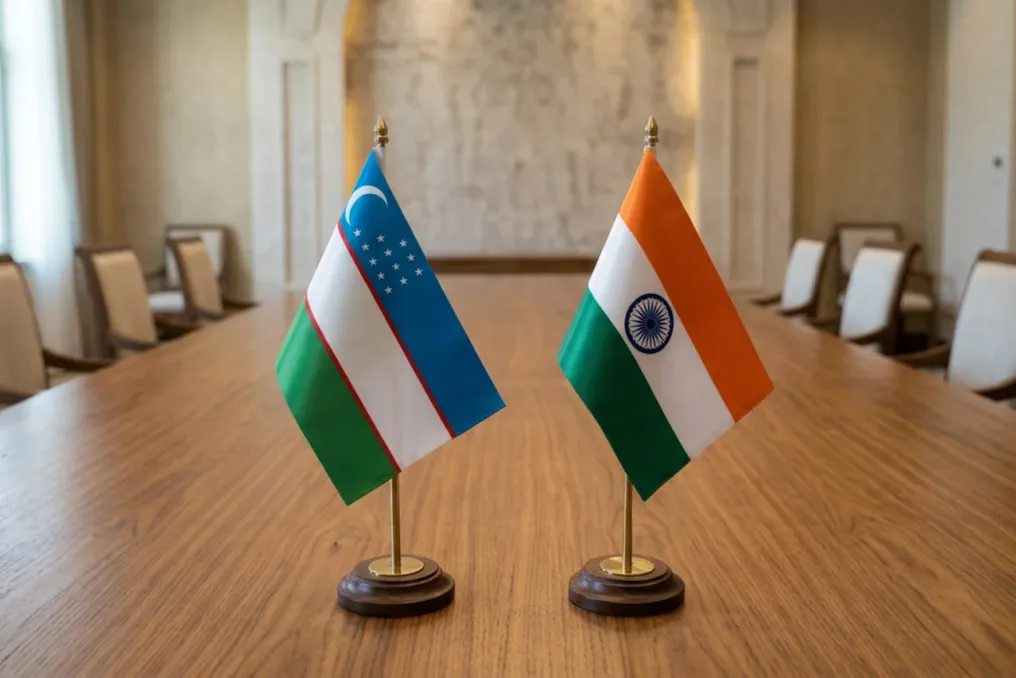
According to the National Statistical Committee data, the bilateral trade turnover between Uzbekistan and India for the first six months of 2026 amounted to $598.1 million USD. During the same period, Indian investments and loans into Uzbekistan's fixed capital reached $225.9 million.

A significant portion of the mutual trade was concentrated on imports from India. From January to June 2026, Uzbekistan imported goods and services from India worth $514 million, while exports to India totaled $84.2 million. Imports accounted for about 86% of the total bilateral trade volume, and exports for approximately 14%.

India's commercial activity in the Uzbek economy is also reflected in enterprise data: as of August 1, 2026, there were 439 organizations with Indian capital operating in the country.

International activity between the two states showed significant growth in the fields of tourism and education during the first seven months of the year. From January to July 2026, 32,462 Indian citizens arrived in Uzbekistan for tourist purposes, while 12,003 tourists from Uzbekistan visited India.

In terms of educational mobility over this seven-month period, 3,853 people arrived in Uzbekistan from India for studies, and 44 students from Uzbekistan went to study in India.

Similar stories

Bilateral trade turnover between Uzbekistan and Kyrgyzstan increased by 45 percent
Read more
uzdaily.uz

Bilateral trade turnover between Uzbekistan and Kyrgyzstan increased by 45 percent

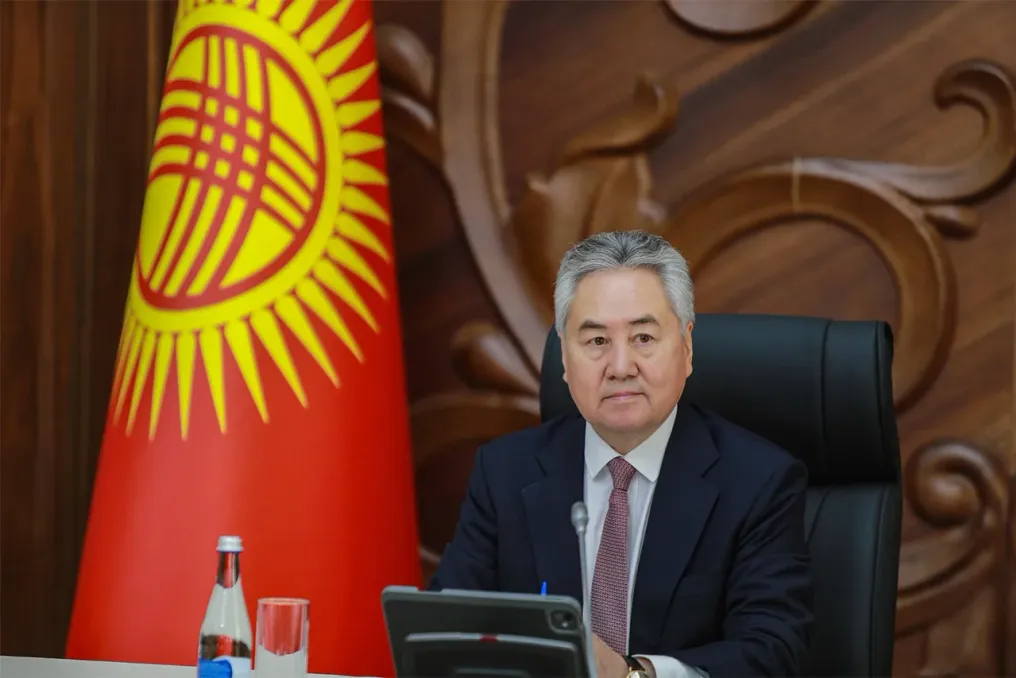
According to data presented by the Minister of Foreign Affairs of Kyrgyzstan, Zhenbek Kulubayev, in an interview with Dunyo Information Agency, the volume of bilateral trade between Uzbekistan and Kyrgyzstan has increased by 45 percent since the beginning of 2026, reaching 624.6 million US dollars.

Kulubayev noted that both countries have set a goal to increase the annual volume of mutual trade to 3 billion US dollars. Priorities for deepening economic partnership include industrial cooperation and the development of regional transport and logistics corridors.

Economic interaction was supported by the Kyrgyz-Uzbek Business Forum, which took place on July 28, 2026. Within the framework of the forum, participants agreed on 16 bilateral agreements concerning commercial contracts and joint investment projects. Furthermore, Kulubayev mentioned a previously signed memorandum aimed at developing free economic and industrial zones, which laid the foundation for joint production.

In accordance with the planned agreements, Uzbek companies plan to conduct geological exploration in Kyrgyzstan and create joint agricultural clusters.

In addition to commercial initiatives, the countries are expanding cooperation in the field of sustainable environmental development. Uzbekistan supported Kyrgyzstan's initiative to hold the second Global Mountain Summit Bishkek+25 in 2027, while both nations coordinate efforts to preserve mountain ecosystems.

The Minister of Foreign Affairs of Kyrgyzstan emphasized that bilateral relations have reached an unprecedented level of strategic alliance following the signing of the Treaty of Alliance Relations during the state visit of the President of Uzbekistan to Kyrgyzstan.

Uzbekistan's exports reached $17.1 billion in the first seven months of 2026
Read more
uzdaily.uz

Uzbekistan's exports reached $17.1 billion in the first seven months of 2026

According to data from the Ministry of Investment, Industry and Trade of Uzbekistan, the total volume of Uzbekistan's exports for the first seven months of 2026 amounted to $17.1 billion USD. This figure exceeded the volume recorded for the same period last year by 132 percent.

From January to July 2026, products of domestic production were sent to 120 countries. Furthermore, Uzbek exporters expanded their presence into five new foreign markets: Sudan, Zimbabwe, Cambodia, Honduras, and Mauritius.

The main factors driving export growth were supplies of textile products, fruits and vegetables, jewelry, construction materials, food products, and electrical goods.

Support for Exporters and Financial Assistance

The Ministry and relevant agencies continue to support domestic exporters and promote Uzbek goods on the international stage. Over the seven-month period, 1141 business entities received financial assistance through the Trade Promotion Fund. Under pre-export financing mechanisms, $136.5 million USD was allocated to 113 enterprises, which contributed to subsequent shipments worth $1.53 billion.

Work on Resolving Operational Issues

One of the main tasks of trade authorities remains solving the operational problems faced by exporters. From January to July 2026, specialized export support centers reviewed 3044 requests from business representatives, of which 2547 were positively resolved, accounting for an 84 percent resolution rate. The Ministry continues to work on diversifying export geography, stimulating the export of high value-added goods, and improving state support mechanisms for commercial enterprises.

Trade turnover between Uzbekistan and Azerbaijan increased 26 times
Read more
uzdaily.uz

Trade turnover between Uzbekistan and Azerbaijan increased 26 times

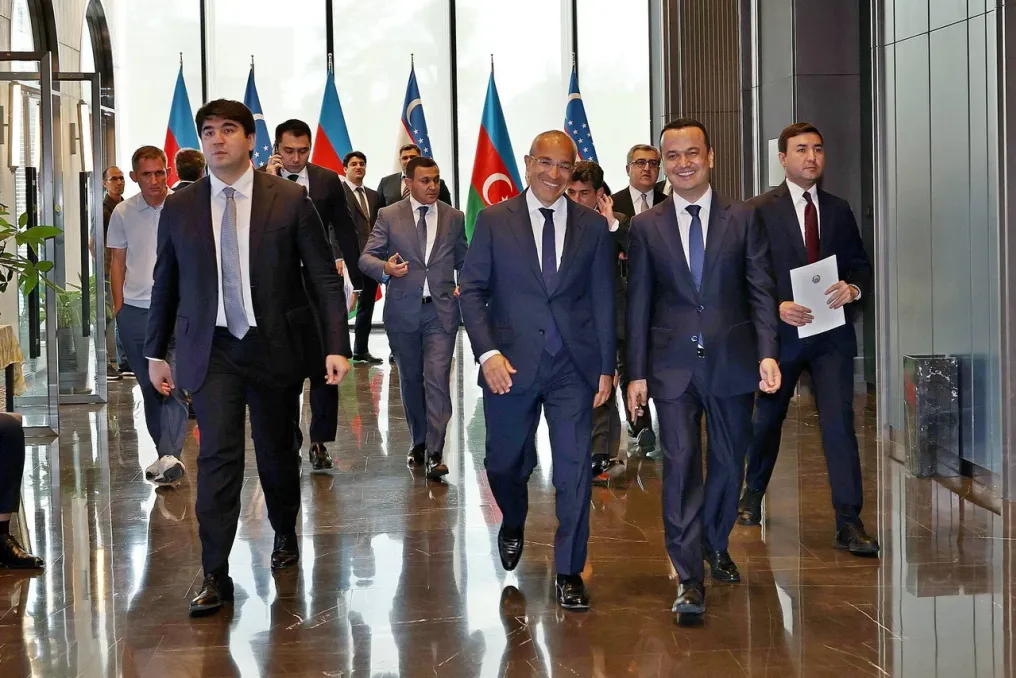
The Ministry of Investment, Industry and Trade of Uzbekistan reported that trade turnover between Uzbekistan and Azerbaijan has increased 26 times over the last decade, reaching 795 million US dollars in 2025.

This data was presented at the Fourth Forum of Regions of Uzbekistan and Azerbaijan, which took place in Tashkent. The event gathered about 420 companies, regional leaders, and representatives of the business communities of both countries.

The forum was attended by the Minister of Investment, Industry and Trade of Uzbekistan, Laziz Kudratov, and the Minister of Economy of Azerbaijan, Mikail Jabbarov. According to the ministry's data, the total portfolio of investment and trade projects between the two states exceeds 10 billion US dollars.

Participants focused on expanding interregional and business cooperation. Priority areas identified were industry and deep raw material processing, the agro-industrial sector, textile industry, tourism, territorial development, as well as trade and logistics.

The parties also discussed issues of forming complete value chains and localizing new production facilities. Opportunities for utilizing the potential of the Middle Corridor for access to European markets were considered.

The practical part of the forum continued with bilateral B2B and G2B meetings, where representatives of regions, state bodies, and businesses discussed specific projects and further steps for developing interaction. After the forum concluded, participants proposed developing joint action plans for the period 2026–2027. The agreements reached were formalized through the exchange of bilateral documents.

Popular