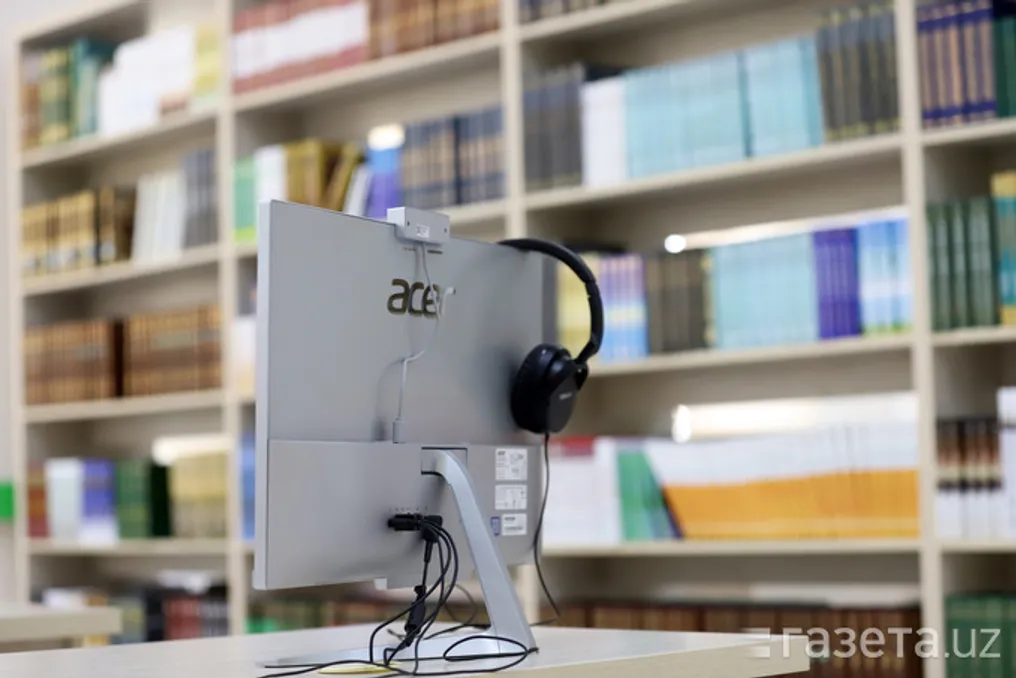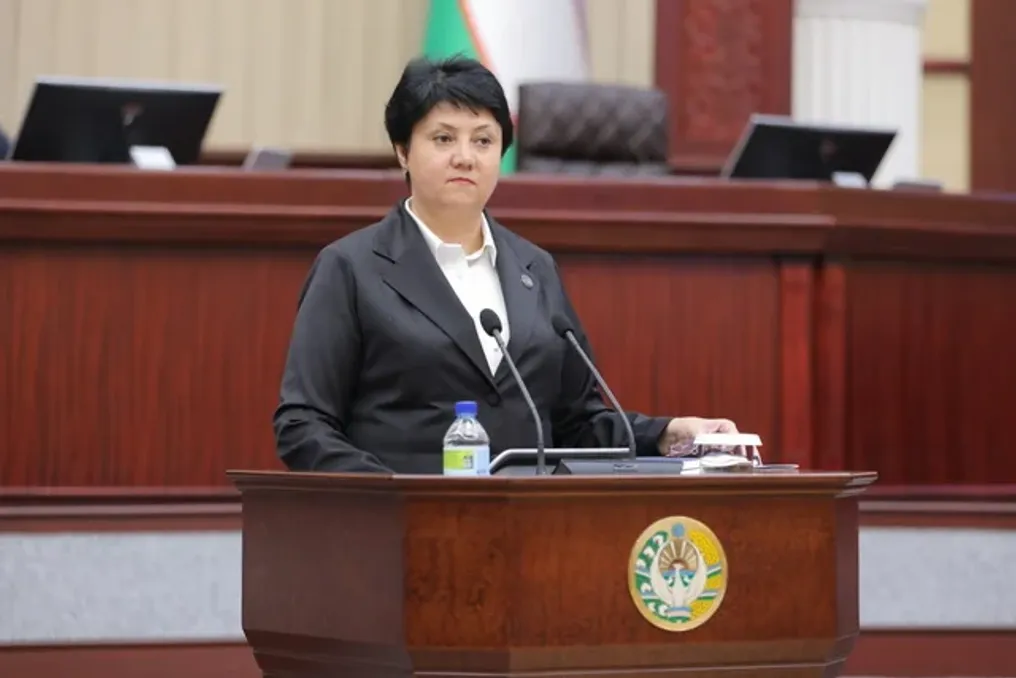
The Minister of Preschool and School Education, Ezozkhan Karimova, reported that schools in Uzbekistan are set to receive equipment packages for 1350 computer classes, as well as electronic whiteboards, by the end of October 2026. This information was shared during a session of the Oliy Majlis Legislative Chamber on August 25.
The data update was presented during parliamentary discussions focused on the implementation of the state strategic program 'Uzbekistan - 2030' for the first half of 2026. Deputy Zuhirdin Mavlonov noted that initial goals included creating 1000 new computer classes and installing 6300 electronic whiteboards with support from a state budget of 350 billion soms. Of this amount, 250 billion soms were allocated for computer equipment, and 100 billion soms for electronic whiteboards.
Mavlonov expressed concern over the pace of implementation, pointing out that previous fulfillment reports referenced ongoing tender procedures without confirming the presence of installed devices before the start of the academic year.
Karimova explained that following preliminary technical assessments, the ministry adjusted procurement parameters to increase the volume of supplies within the existing budget of 250 billion soms, bringing the total number of computer class sets to 1350. Regarding the electronic whiteboards, funded by the remaining 100 billion soms, Karimova noted that the initial tender launched on July 12 concluded without a winner, necessitating a re-tender on August 10. The final supplier selection was scheduled for August 26, and equipment delivery was due to be completed by the end of October.
This infrastructure project aims to eliminate technical deficiencies in the network of public schools. As of May 1, 2026, Wi-Fi coverage was absent in 69 percent of schools nationwide, while approximately 5000 existing computer classes were deemed obsolete, and nearly 2000 schools lacked computer classes altogether. To address these gaps, presidential directives require the modernization of 16,000 computer classes, expansion of free Wi-Fi zones, and improvement of broadband speed in schools by 2030.