India strikes deal with the US to purchase Javelin anti-tank missile systems
Read more
Business Standard
business-standard.com

India strikes deal with the US to purchase Javelin anti-tank missile systems

India and the United States have reached an agreement to acquire Javelin anti-tank missile systems to enhance the combat capabilities of the Indian Army. The exact number of systems being purchased and the total value of the deal are currently unknown.

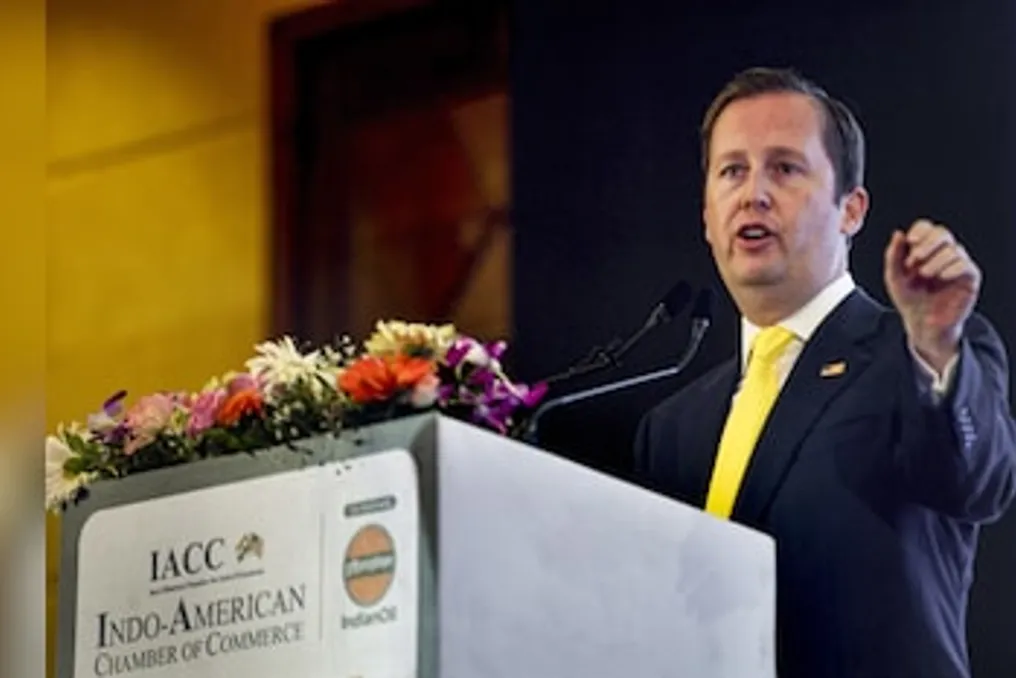
US Ambassador Sergio Gor stated that this agreement reflects the deepening of bilateral defense partnership, which is becoming 'deeper, more capable, and more significant'.

According to a US statement, the United States welcomes the signing by the Indian Army of a Letter of Offer and Acceptance (LOA) for the purchase of the Javelin system under the US Foreign Military Sales process. This step is viewed as an important milestone highlighting the long-standing cooperation between the US and Indian armed forces, and it opens prospects for future interaction between the defense industries of both countries.

Gor noted that 'the Javelin agreement demonstrates the depth of support for the Indian Army from the US and creates new opportunities for our defense industries to work together.' He also added that they see 'immense potential for future cooperation that strengthens the defense industrial bases of both countries.'

The Javelin system is an advanced, medium-range, fire-and-forget guided anti-tank missile. It is used by the US Army, US Marine Corps, and numerous international customers, and is designed to strike a wide range of targets, including armored vehicles and fortified positions.

Production of the Javelin system is carried out by the Javelin Joint Venture, a partnership between RTX and Lockheed Martin. The US statement emphasized that 'the landmark signing further strengthens the core US-India defense partnership, demonstrating the depth of current support for the Indian Army.' Furthermore, it initiates discussions on mutually beneficial joint production and additional opportunities to strengthen the defense production bases of both nations.

Similar stories

India plans to purchase American Javelin anti-tank missile system
Read more
www.aajtak.in

India plans to purchase American Javelin anti-tank missile system

Important information has emerged regarding military-defense cooperation between India and the USA. India is considering the possibility of acquiring the Javelin anti-tank missile system from America. This was announced on social media by the American ambassador in India, Sergio Gor, who called it a significant step for defense relations between the two countries.

Furthermore, there is a possibility of joint production of the Javelin system between the two nations. Javelin is a portable anti-tank missile system that soldiers can launch from the shoulder. Its advantage lies in the ability to be rapidly deployed in various types of terrain, including mountainous areas and open fields.

This system is designed to target tanks and other armored vehicles. The American ambassador noted that India's decision to purchase Javelin will strengthen the defense ties between the two countries. He also mentioned statements made by a representative of the US Department of Defense during discussions in Shangri-La in May 2026.

According to the ambassador, this deal could pave the way for joint production of Javelin in India. India has long been working to strengthen its army's anti-tank capabilities, and the potential procurement of the Javelin system is being considered within this strategy. Such weaponry is considered extremely important for combating tanks and armored vehicles, especially in border areas.

Defence Minister Rajnath Singh approves transfer of missile system technologies to domestic industry
Read more
www.aajtak.in

Defence Minister Rajnath Singh approves transfer of missile system technologies to domestic industry

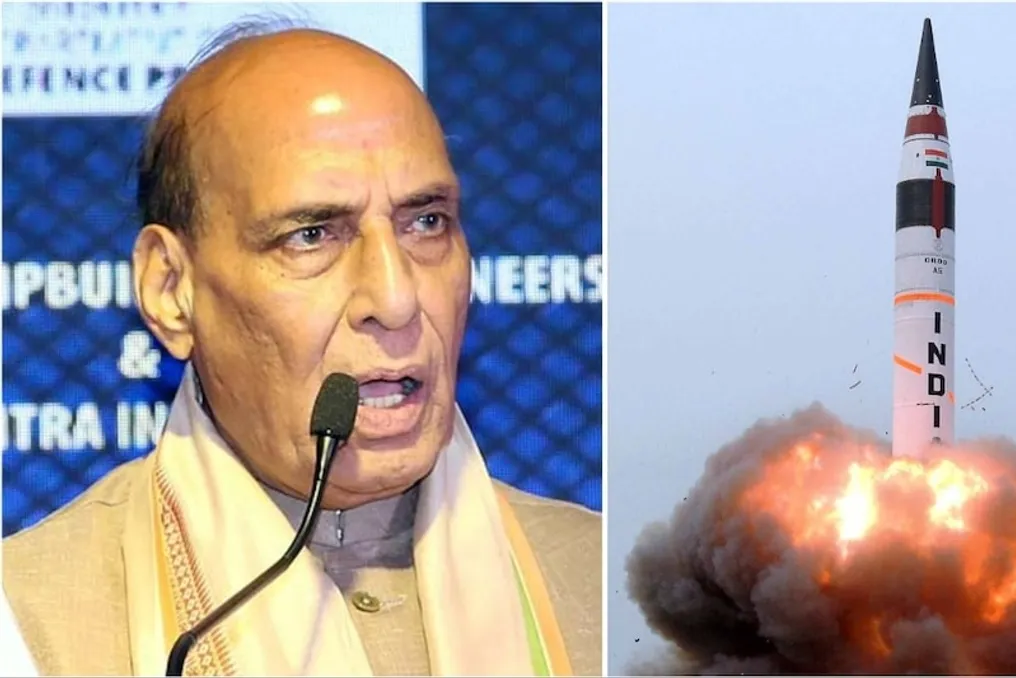
Defence Minister Rajnath Singh has made an important decision by approving the transfer of technologies for all traditional missile systems developed by DRDO (Defence Research and Development Organization) to domestic industry. This technology transfer process will pave the way for the production of these missiles within the country.

Previously, these technologies were primarily accessible to government institutions. Now, private companies will be able to manufacture them. This step is aimed at strengthening the concept of 'Atmanirbhar' (self-reliance) in the defence sector, allowing Indian companies to produce advanced missile systems domestically. Production will proceed provided that necessary standards, certifications, and regulatory requirements are met.

DRDO will now shift its focus from missile development to their industrial production, utilizing the potential of the domestic industrial sector. This will strengthen the entire missile production chain within the country. Micro, Small, and Medium Enterprises (MSMEs) and other technological partners will also be able to enter the supply chain, gaining new opportunities and creating job prospects.

The main goal of this initiative is to increase domestic production capacity, strengthen India's defence industrial base, and reduce dependence on imports. Currently, many advanced weapon systems rely on foreign supplies. Providing these technologies to Indian companies will enable the country to independently manufacture the required missiles.

This will not only save foreign exchange but also ensure uninterrupted supplies in emergencies. Increased participation of the private sector in defence manufacturing stimulates innovation and competition. This decision is part of DRDO's policy emphasizing the transfer of developed technologies to industry.

As part of this step, which is a significant move towards achieving the vision of Atmanirbharta in defence, Defence Minister Shri Rajnath Singh approved the transfer of technologies for all traditional missile systems developed by DRDO to Indian industries for domestic production. These traditional missile systems may include various types of already developed missiles. Their production will allow the Indian armed forces to acquire modern weaponry faster. Involving MSMEs in the missile supply chain will ensure skill development across the sector, and companies will be able to adopt new technologies and gain a foothold in the global market.

Companies will need to obtain the necessary qualifications and certifications before production can commence. This process will make the defence sector more open and competitive. In the long term, India will be able not only to meet its own needs but also to export missile technology. Rajnath Singh's decision is a firm step towards self-reliance, which will strengthen the country's defence potential and inject new energy into the defence industry. This is a major opportunity for Indian companies to utilize properly.

Popular