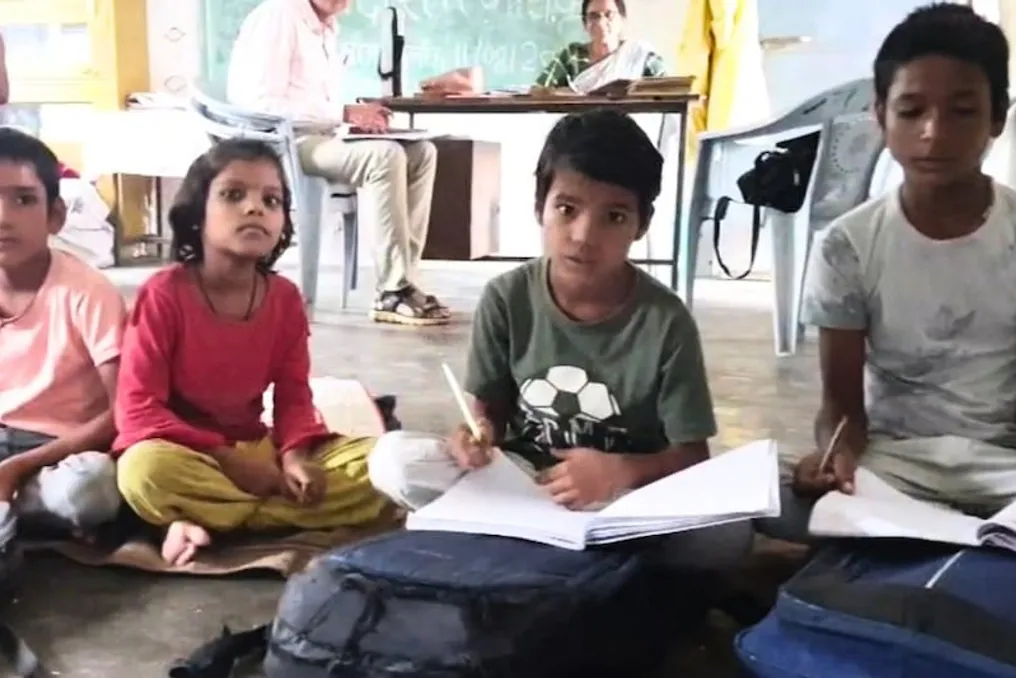
A significant amount of time has passed since the start of the new academic year in Madhya Pradesh, and although schooling continues, hundreds of thousands of students have yet to receive free uniforms from the government. Approximately 5.2 million children in grades one through eight are forced to attend school in regular clothing.
The uniform, which was expected at the beginning of the semester, has been halted due to disputes surrounding the tender. The government decided to provide children with two sets of ready-made uniforms, allocating about ₹350 million for this. However, questions arose regarding the tender for uniform procurement, leading to legal action.
Around 25.32 million male students and 26.70 million female students study in grades one through eight in Madhya Pradesh's government schools. According to the plan, every child should be issued two sets of uniforms. Previously, the government sent parents ₹600 per student so they could sew the uniforms themselves. The government has now changed this system and decided to provide ready-made uniforms.
The reason cited for this change was the difficulties faced by rural families in finding quality fabric and tailoring services. Nevertheless, as soon as the new system began, the process became the subject of controversy.
On June 3rd, the Madhya Pradesh Textbook Corporation conducted a tender for the procurement of uniforms worth approximately ₹350 million. Local organizations associated with MSMEs, weavers, and powerlooms expressed disagreement with some conditions of the tender. Allegations surfaced that small local manufacturers might have been excluded due to high financial and qualification requirements. The requirement for a turnover of about ₹700 million caused the most concern.
Following this, the tender was challenged in the High Court. After a preliminary hearing, the court imposed a temporary ban on the final approval of the tender. As a result, the procurement process did not advance, and uniform deliveries ceased. The system for distributing uniforms in Madhya Pradesh has changed several times in previous years: sometimes responsibility was placed on school committees, sometimes on women's self-help groups, and during the pandemic, funds were sent directly to accounts. Despite this, uniforms sometimes reached children months after the start of the school year. The government process and the legal proceedings are separate issues, but the children's academic year does not wait. Now it remains to be seen when the dispute over the tender will be resolved and when the 5.2 million children will receive their uniforms.