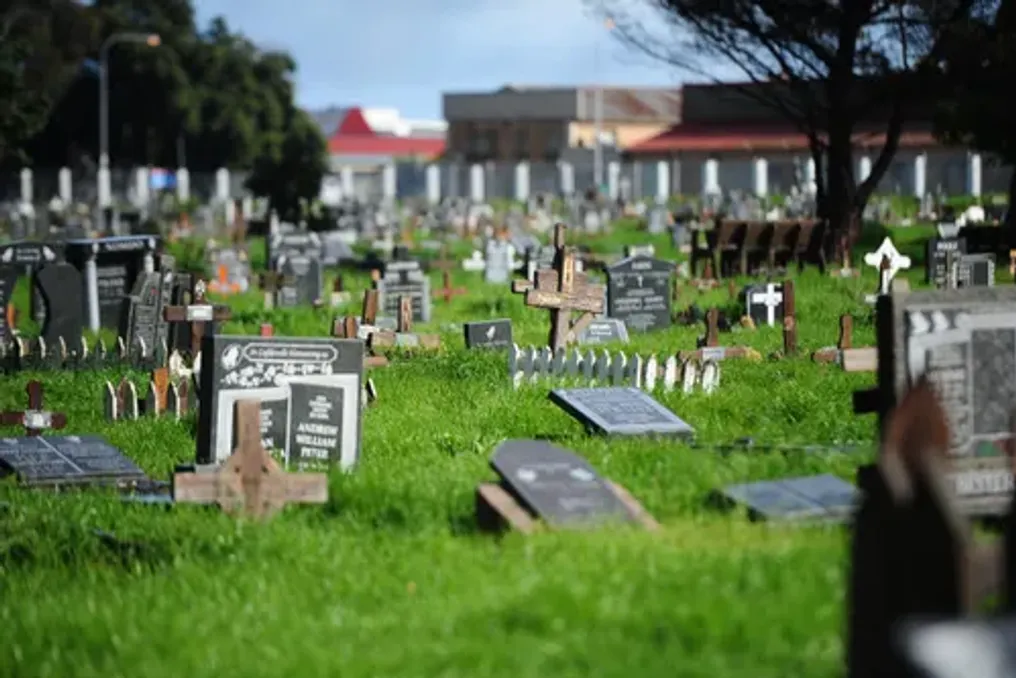
In the city of Durban, which is part of eThekwini, 65 municipal cemeteries are reaching capacity. The municipality plans to expand Newlands Cemetery, and improvements are being made at Ottawa Cemetery.
For families already experiencing the loss of a loved one, finding a place for final rest becomes an additional source of pain. The shortage of burial spaces across eThekwini forces some grieving families to face delays, unforeseen expenses, and difficult decisions about where and how their loved ones will be buried.
In a recent statement, Daniel Logan Mia, a representative of the DA faction in eThekwini, noted that the response to questions submitted by the political party in May showed a rapid decrease in available burial spots. Meanwhile, long-term planning has not kept pace with population growth.
Cemetery Availability in Durban
The municipality currently manages 65 cemeteries in eThekwini. Mia emphasized that despite designated additional land for the expansion of Newlands Cemetery and ongoing improvements at Ottawa Cemetery, the municipality does not intend to re-landscape the cemeteries.
Furthermore, the municipality's inability to provide a clear assessment of its monthly burial demand is a serious concern. Instead of providing the requested statistics, it only acknowledges that demand remains high and continues to put pressure on existing cemetery infrastructure.
Although the municipality states that it has identified additional land for future cemetery development and is considering alternative burial methods such as cremation, mausoleums, and vertical burial systems, it has not provided clear timelines for creating additional infrastructure.
Mia added that every resident deserves a dignified burial in accordance with their religious beliefs, cultural traditions, and family wishes. He stated that once the DA takes over eThekwini in November, a comprehensive audit of all municipal cemeteries will be conducted, precise statistics on burial capacity will be published, long-term burial infrastructure will be prioritized, and funding will be reserved for creating additional cemetery spaces.
Funeral Service Providers
Meanwhile, funeral service providers have reported that the lack of space creates an additional burden for families during their emotional vulnerability. Christopher Mudli, owner, director, and manager of Pinetown Funeral Services, noted that the problem goes far beyond 'simply finding a grave.'
He explained that the limited number of burial spots can lead to delays or changes in funeral plans. Funeral homes operate under very tight deadlines, coordinating with multiple parties, including the family, the cemetery or crematorium, religious leaders, churches or venues, transport, and other service providers. When the preferred cemetery cannot accommodate the burial, many of these arrangements may require revision or postponement.
There can also be additional financial consequences for families. If the burial cannot take place at the preferred municipal cemetery, the family may need to consider another, more distant cemetery, incurring extra costs for transportation and logistics. Families may also consider cremation or private crematoriums as an alternative, which can involve various costs depending on the facility and required services—expenses families might not have anticipated when planning the funeral.
Mudli also stressed that the pressure on funeral homes and their staff cannot be underestimated. He noted that they often act as intermediaries between the grieving family and various institutions involved in organizing the funeral. Therefore, staff spend extra time communicating with cemeteries, ascertaining availability, reorganizing schedules, and explaining alternative options to families during an extremely emotional period.
He believes that municipalities must interact more closely with funeral service providers, communities, religious organizations, and other stakeholders to develop a sustainable long-term strategy for securing burial space. This strategy should include identifying and developing additional suitable land for cemeteries, improving the maintenance and management of existing cemeteries, providing clear and regularly updated information on grave availability, and ensuring the efficiency of administrative processes and cemetery bookings. Furthermore, more thorough preliminary planning is necessary, as population growth and mortality trends are not unexpected, and cemetery capacity must be part of long-term municipal infrastructure planning. Families should not face preventable administrative or logistical crises during mourning.
Population Growth
Diyalan Mudli, director of Moodley's Funeral Services, stated that the space shortage has intensified the pressure. He noted the heartbreaking task of telling a family that no burial spot can be found. The last resort is a private cemetery, and unfortunately, families have no choice but to pay a high price.
Mudli emphasized the urgent need for the municipality to identify new burial lands, and the purchase of extensive unused land should be a priority.
Limited Space
Kumar Kovenden, owner and director of Umhlanga Funerals, stated that the limited number of burial spots has 'undoubtedly' put them in a difficult position when they could not provide the necessary service. He noted that the shortage of available spots leads to delays due to the time required to find open plots. Moreover, if they manage to find a spot in a private cemetery, the fee is excessively high compared to the municipal rate. He believes that identifying available land for opening new cemeteries should be a matter of urgency.
Population Growth
Senzelwe Mzila, the city spokesperson, reported that the 'critical and accelerating' shortage of burial spots is caused by population growth, mortality trends, cultural preferences, historical mortality patterns, environmental issues, and land use restrictions. He specified that all 65 municipal cemeteries have reached their capacity, putting significant pressure on the municipality to identify and develop additional burial land.
He reported that the municipality currently conducts about 6,000 burials per year, including those of the poor. The current reserve of new graves is approximately 2,500, which, depending on the mortality rate, would last for about six months. Mzila added that the population of Durban has grown significantly since 1994 due to urban migration and economic development. This population growth, along with the impact of historical waves of violence, HIV/AIDS, and the Covid-19 pandemic, has contributed to constant pressure on burial sites, including pressure on traditional and communal lands.
Mzila also mentioned that the municipality previously resorted to reusing graves as a solution. However, the practice of grave recycling was discontinued in 2022 because it was widely rejected by communities due to cultural and religious sensitivities, as well as concerns regarding dignity and cemetery management.
Environmental Compliance
Mzila stated that the municipality is actively seeking opportunities to increase burial capacity. Land acquired in Ottawa for cemetery development is still subject to environmental compliance requirements, including obligations under Section 28 of the National Environmental Management Act 107 of 1998. These environmental processes can take three years or longer, depending on the necessary studies and permits.
The municipality has also identified potential new burial sites. A proposed cemetery in Inanda covers about 19 hectares, has environmental approval, and is zoned for cemetery use. The estimated capacity of this site is between 20,000 and 25,000 graves, and it is considered a ready-to-operate project.
Mzila added that the municipality is also exploring sustainable alternatives, including increasing the use of cremation. He noted that cremation can help reduce the strain on available land and limit the impact of cemetery infrastructure on weather conditions. The municipality will continue to engage with communities, religious organizations, and traditional leaders to ensure that any alternative burial methods are applied sensitively and with dignity.